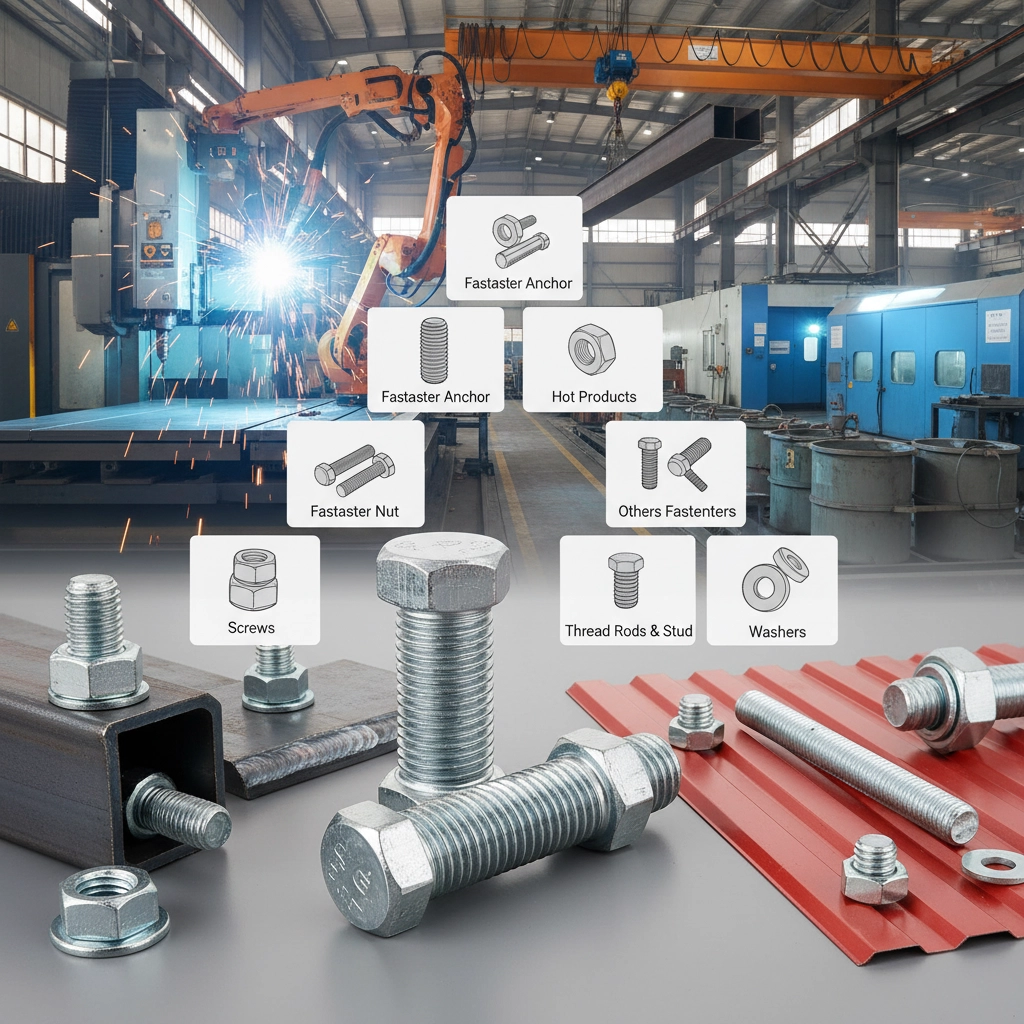
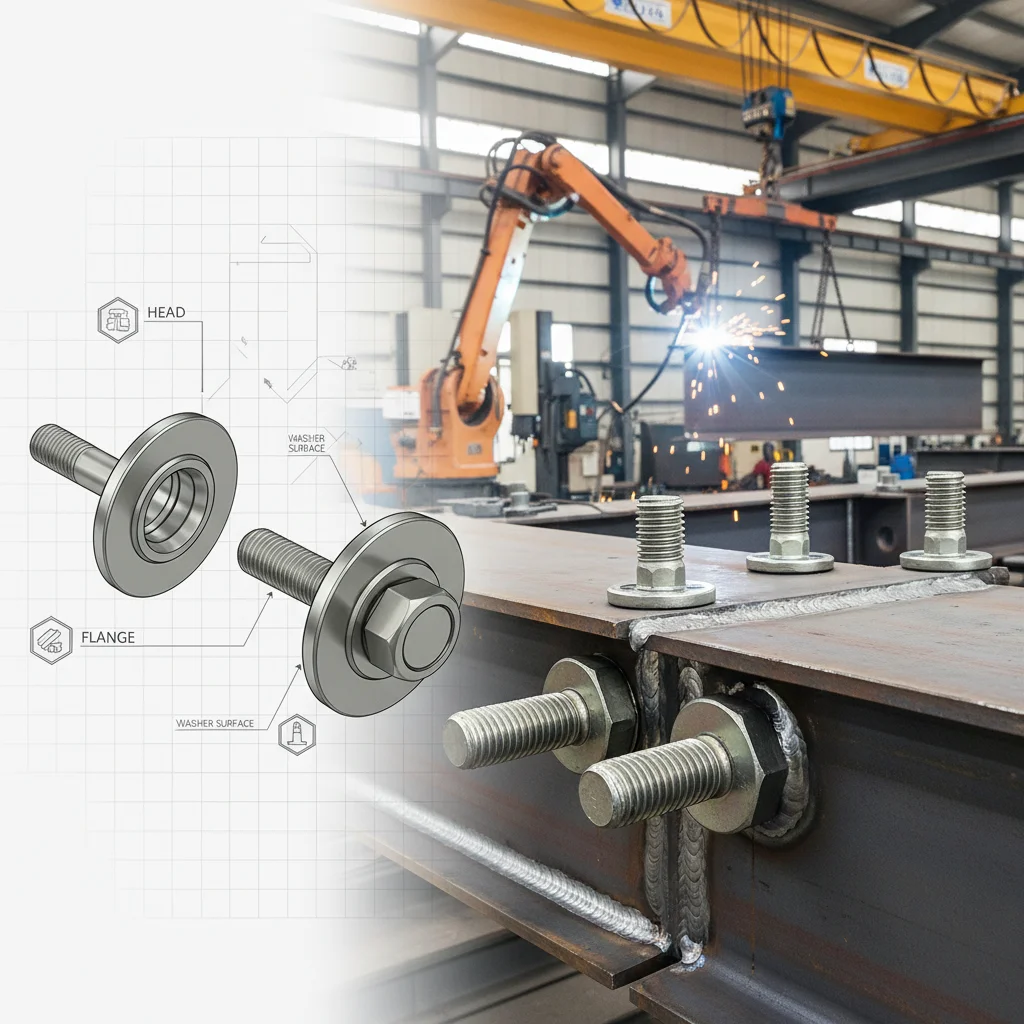
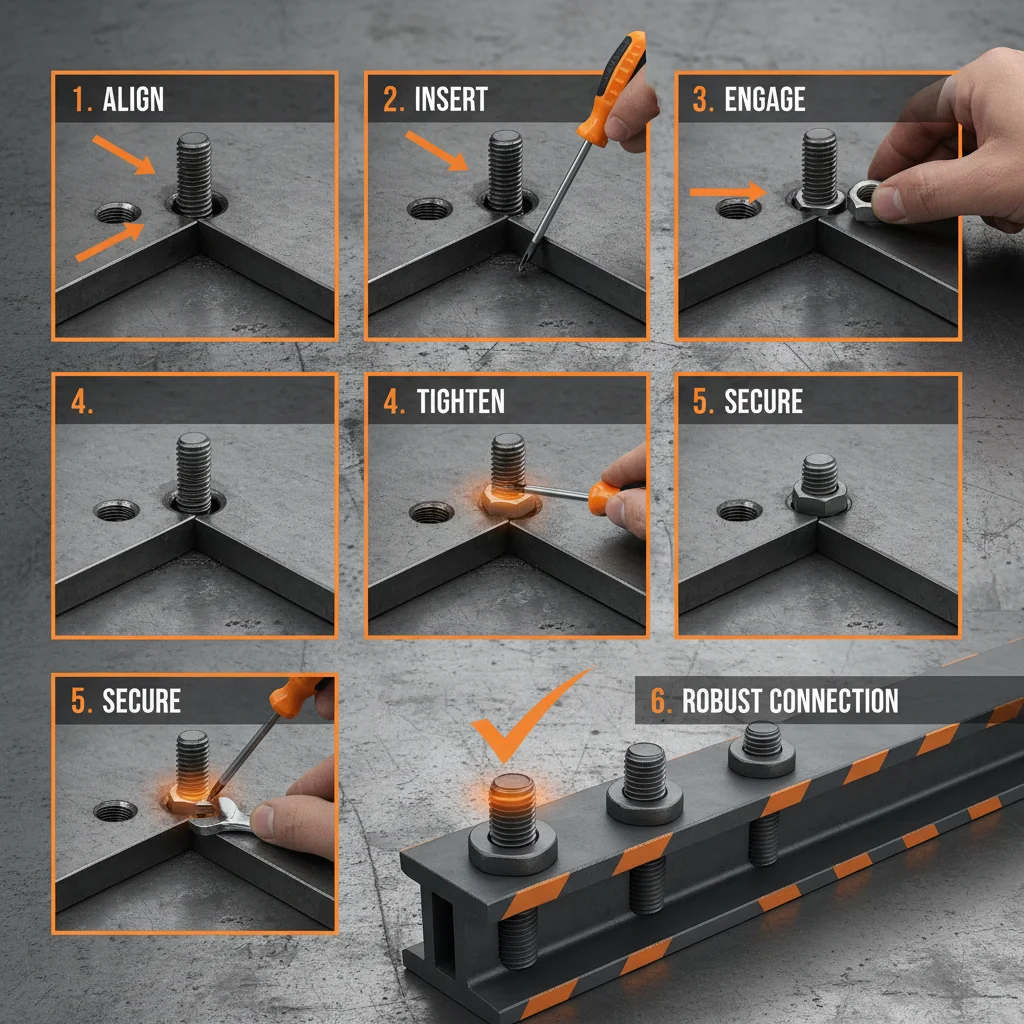
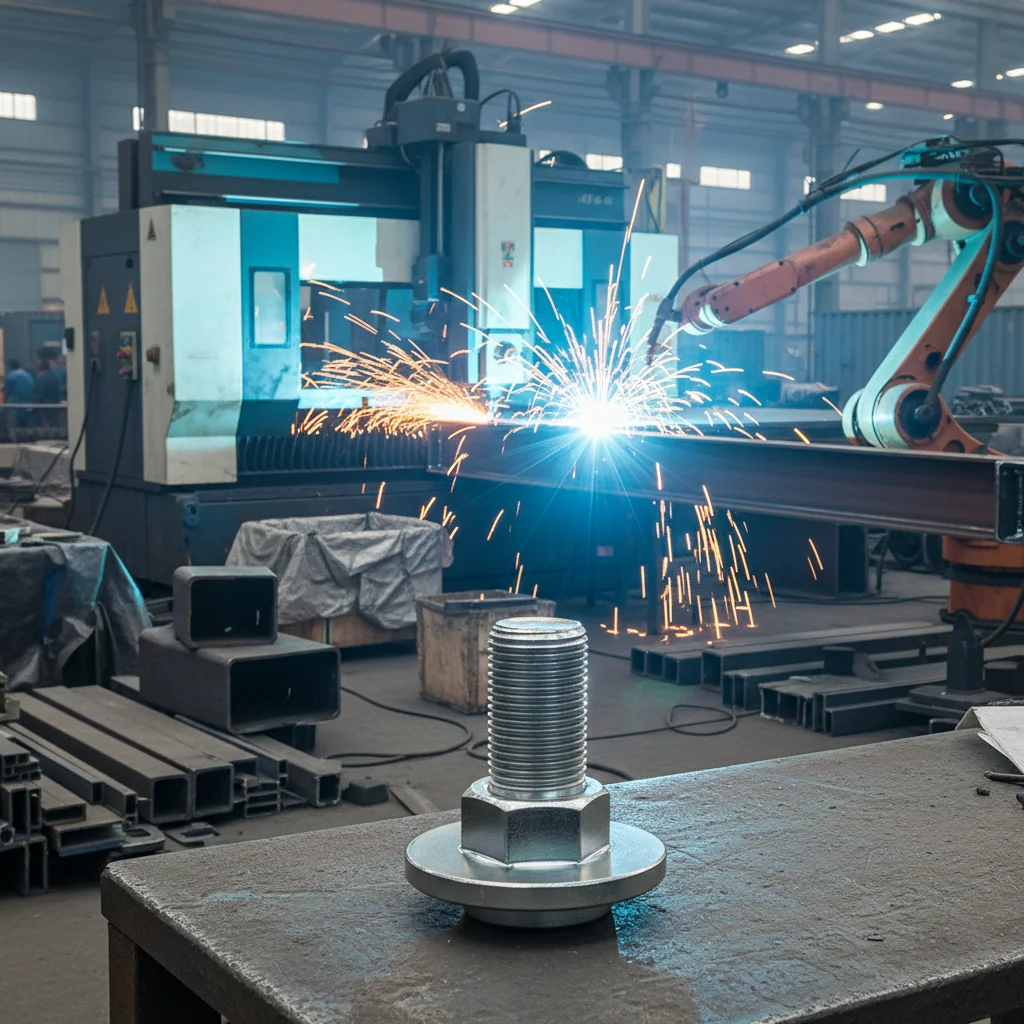
In the demanding world of structural steel and heavy construction, the integrity of every single joint depends on the quality of the fasteners used. galvanized bolts serve as the invisible backbone of modern infrastructure, providing essential tensile strength combined with a critical layer of corrosion resistance. Whether it is a skyscraper reaching into the clouds or a bridge spanning a saltwater estuary, these components ensure that structures remain secure against the relentless forces of nature.
The global reliance on galvanized fasteners has grown exponentially as urbanization accelerates in developing regions. By applying a protective zinc coating to carbon steel, manufacturers can effectively prevent oxidation, which is the primary cause of structural failure in outdoor environments. This chemical synergy allows engineers to design longer-lasting projects with reduced maintenance overhead, making galvanized bolts an indispensable asset in the global supply chain of the metal products industry.
Understanding the nuances of galvanization—from hot-dip processes to electro-galvanizing—is key to selecting the right fastener for a specific application. Choosing the wrong grade or coating thickness can lead to premature rust or hydrogen embrittlement, compromising safety. This comprehensive guide explores the technical specifications, global applications, and future innovations of galvanized bolts to help procurement managers and engineers make informed, high-performance decisions.
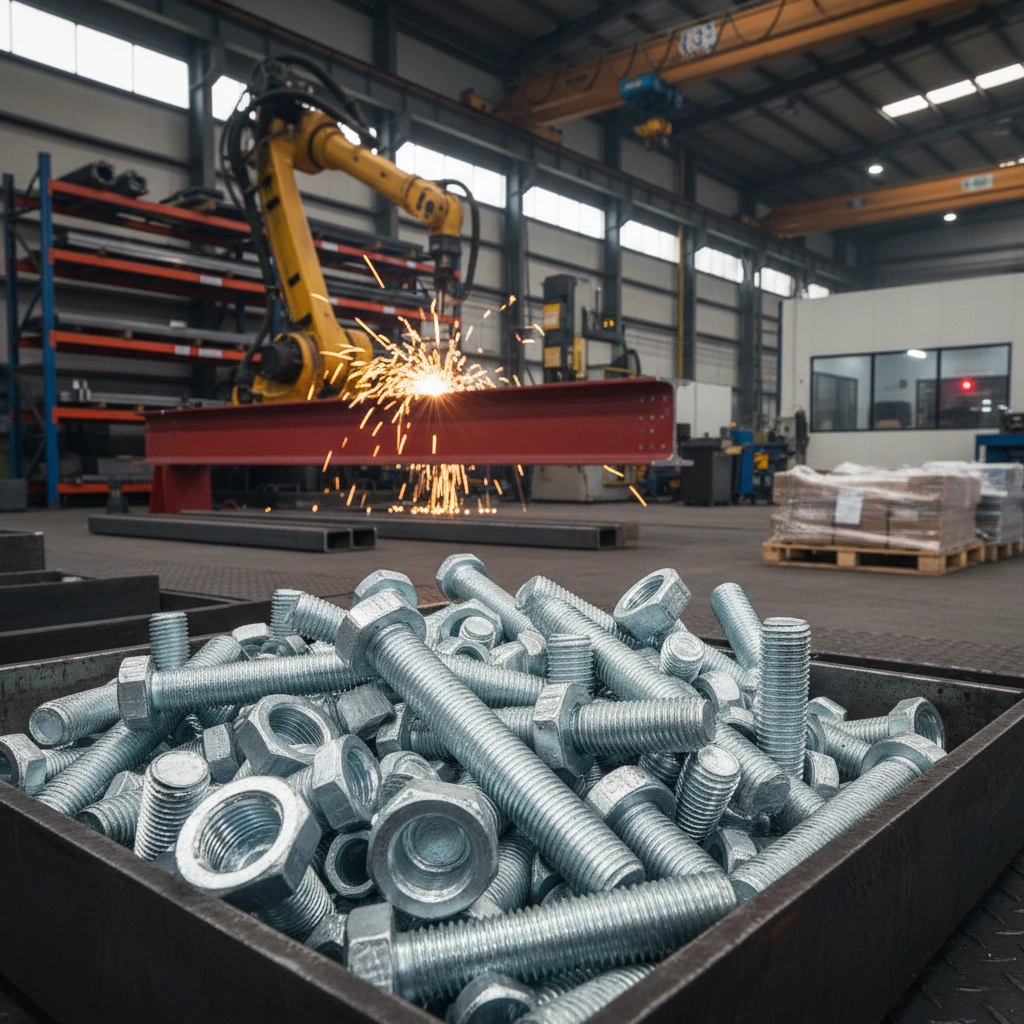
Global Relevance and Industry Context
On a global scale, the demand for corrosion-resistant fasteners is driven by the expansion of energy infrastructure and transport networks. According to ISO standards and industry data, the cost of corrosion to the global economy is estimated in the trillions of dollars annually. galvanized bolts address this systemic problem by acting as a sacrificial anode, where the zinc layer corrodes instead of the underlying steel, preserving the structural integrity of the joint.
In regions with high humidity or saline air, such as Southeast Asia or coastal North America, the use of standard steel bolts is practically impossible due to rapid oxidation. The integration of hot-dip galvanizing allows for the construction of massive wind turbines and solar arrays that must withstand 25+ years of exposure without catastrophic failure. This makes the production of high-quality galvanized bolts a cornerstone of sustainable industrial growth.
Defining Galvanized Bolts and Their Purpose
At its most basic level, a galvanized bolt is a steel fastener that has been coated with a layer of zinc through a metallurgical process. This coating is not merely a layer of paint; it is a chemical bond that merges with the steel substrate to create a barrier against moisture and oxygen. This process is essential for any application where a fastener is exposed to the elements, preventing the formation of iron oxide (rust) that would otherwise weaken the bolt's diameter and load-bearing capacity.
The connection between these fasteners and modern humanitarian needs is evident in the rapid deployment of disaster-relief infrastructure. When building temporary hospitals or emergency shelters in flood-prone areas, galvanized bolts ensure that structures do not collapse due to environmental degradation. They provide the reliability needed when human lives depend on the stability of a temporary structure.
Furthermore, in the context of the metal products industry, galvanization represents the perfect balance between cost-effectiveness and durability. While stainless steel offers superior corrosion resistance, it is often prohibitively expensive for large-scale structural projects. Galvanized options provide a "industrial-grade" solution that meets rigorous safety codes while remaining economically viable for massive infrastructure projects.
Core Technical Factors for Performance
Durability is the primary metric for galvanized bolts. The thickness of the zinc layer, measured in microns, directly correlates to the lifespan of the fastener in a specific environment. Hot-dip galvanizing typically provides a thicker coating than electro-galvanizing, making it the preferred choice for heavy-duty outdoor structural applications where abrasion and weather exposure are constant.
Mechanical scalability is another critical factor. Engineers must ensure that the galvanization process does not interfere with the thread tolerances of the galvanized bolts. This is why "over-tapping" or using specific nut tolerances is necessary to ensure a snug fit without stripping the threads during installation, maintaining the intended clamping force of the joint.
Cost efficiency is realized through the reduction of lifecycle maintenance. While the initial cost of a galvanized bolt is slightly higher than a plain steel one, the avoidance of frequent replacements and the prevention of structural corrosion lead to massive long-term savings. This economic logic is why government tenders for bridges and highways almost exclusively mandate galvanized or coated fasteners.
Global Applications and Use Cases
In real-world contexts, galvanized bolts are ubiquitous in the energy sector. For instance, in the remote industrial zones of the Middle East, solar panel racking systems rely on these bolts to resist sand abrasion and extreme thermal cycling. Similarly, in the North Sea's offshore wind farms, the combination of saltwater spray and high wind loads requires fasteners that can withstand extreme oxidative stress without losing their grip.
Beyond energy, the transportation industry utilizes these components in railway bridges and highway signage supports. In post-disaster relief operations, such as rebuilding after earthquakes in mountainous regions, galvanized fasteners are used to secure modular housing and temporary bridges, ensuring that the logistics of aid are not hindered by structural failures caused by unexpected weather shifts.
Performance Comparison of Galvanized Bolts Methods
Long-Term Value and Sustainability
The tangible benefits of utilizing galvanized bolts extend far beyond simple rust prevention. From a sustainability perspective, extending the life of a structure reduces the need for new raw materials and lowers the carbon footprint associated with demolition and reconstruction. When a bridge lasts 100 years instead of 50 due to superior fasteners, the environmental impact is halved.
From an emotional and logical angle, these fasteners provide peace of mind. The knowledge that a public walkway or a stadium roof is secured with high-grade galvanized components fosters trust in urban infrastructure. This reliability is the foundation of safety, ensuring that innovation in architecture is not limited by the fear of material degradation.
Future Trends and Material Innovations
The industry is currently moving toward "Smart Coating" technologies. Future iterations of galvanized bolts may incorporate nano-materials that can "self-heal" small scratches in the zinc layer, automatically sealing breaches before oxygen can reach the steel core. This would effectively eliminate the possibility of localized pitting corrosion in extreme environments.
Digital transformation is also playing a role through the implementation of RFID tagging in large-scale fasteners. By embedding tracking data into the bolt's production cycle, facility managers can monitor the age and expected degradation of specific joints in a bridge or plant via a digital twin, allowing for predictive maintenance rather than reactive repair.
Furthermore, the shift toward green energy is pushing the demand for zinc coatings that are produced using low-carbon electrolysis. As the metal products industry aligns with global Net-Zero goals, the production of galvanized bolts is becoming more eco-friendly, utilizing recycled zinc and closed-loop water systems in the galvanizing baths.
Overcoming Industry Challenges
One of the most persistent challenges in the use of galvanized bolts is hydrogen embrittlement, particularly in high-strength steel (grade 10.9 and above). During the pickling process, hydrogen atoms can penetrate the steel lattice, making the bolt brittle and prone to sudden failure under load. This is a critical safety risk that requires expert mitigation.
The industry solution involves a meticulous "baking" process—heating the bolts to a specific temperature immediately after galvanization to drive out the hydrogen atoms. By adhering to strict ASTM or ISO heat-treatment protocols, manufacturers can ensure that the fasteners maintain their ductility and strength without compromising the protective zinc layer.
Another common limitation is the "over-thickness" of the coating on threads, which can lead to installation difficulties. The innovative approach to this is the use of precision-threaded nuts that are slightly oversized to accommodate the zinc layer, or the application of mechanical galvanizing for components where extremely tight tolerances are non-negotiable.
Analysis of Galvanized Bolts Coating Performance by Environment
| Environment Type |
Recommended Coating |
Expected Lifespan (Years) |
Maintenance Level |
| Indoor Dry |
Electro-Galvanized |
15-20 |
Very Low |
| Outdoor Urban |
Hot-Dip Galvanized |
30-50 |
Low |
| Coastal/Marine |
Heavy Hot-Dip + Epoxy |
20-30 |
Medium |
| Industrial Chemical |
Zinc-Aluminium Alloy |
25-40 |
Medium |
| High Humidity Jungle |
Hot-Dip Galvanized |
20-30 |
Medium |
| Agricultural/Farm |
Mechanical Galvanized |
10-20 |
High |
FAQS
Hot-dip galvanizing involves submerging the bolt in molten zinc, resulting in a thicker, more durable coating suitable for harsh outdoor environments. Electro-galvanizing uses an electrical current to apply a thinner layer of zinc, which provides a smoother aesthetic finish and is better suited for indoor use or temporary outdoor applications where extreme corrosion resistance is not the primary requirement.
The most effective way to prevent hydrogen embrittlement is through a post-galvanizing baking process. By heating the bolts to approximately 200°C for several hours immediately after the coating process, the hydrogen atoms trapped in the steel are released. It is crucial to specify this requirement to your manufacturer, especially for bolts with a grade of 10.9 or higher.
Yes, but with caution. While hot-dip galvanized bolts perform well, the high chloride content in saltwater can deplete the zinc layer faster. For extreme marine environments, we recommend using "heavy" hot-dip galvanizing or adding an additional epoxy coating (Duplex system) to provide a double layer of protection, ensuring the structural integrity of the project for decades.
Generally, no. Because hot-dip galvanizing adds a significant layer of thickness to the threads, standard nuts will likely not fit or will strip the threads during installation. You must use "over-tapped" galvanized nuts specifically designed to accommodate the coating thickness, ensuring a secure and tight fit that maintains the required torque.
The required thickness depends on the "corrosivity category" (C1 to C5) of your location. For indoor areas (C1), a thin electro-galvanized layer is sufficient. For coastal or industrial areas (C4/C5), a hot-dip coating of 50-85 microns is typically recommended. Consulting ISO 1461 or ASTM A153 standards can help you match the coating thickness to your environment.
In terms of lifecycle and carbon footprint for massive projects, galvanized steel is often more sustainable. The production of stainless steel is significantly more energy-intensive. By extending the life of carbon steel through galvanization, we reduce the need for frequent replacements and the total volume of ore mined, making it a highly efficient choice for green infrastructure.
Conclusion
In summary, galvanized bolts represent a critical intersection of metallurgy, economics, and structural safety. By providing a robust defense against corrosion through the sacrificial protection of zinc, these fasteners ensure that our global infrastructure—from energy grids to transportation networks—remains stable and secure. We have explored how the choice between hot-dip and electro-galvanizing, the mitigation of hydrogen embrittlement, and the adherence to international standards all contribute to the long-term viability of a project.
Looking forward, the integration of smart coatings and low-carbon production methods will continue to enhance the role of galvanized bolts in a sustainable world. For engineers and procurement specialists, the key is to balance environmental demands with material specifications to achieve the lowest total cost of ownership. To ensure your next project is built on a foundation of reliability and strength, we invite you to explore our full range of high-performance fasteners. Visit our website: www.yfnfasteners.com