English

27 June 2026
In the world of structural metal manufacturing and interior construction, the precision of your fasteners determines the quality of your finish. Bugle head screws are specifically engineered to provide a seamless integration between the screw head and the mounting surface. Unlike standard flat-head screws, their unique curvature allows them to sink into soft materials without tearing the surface, making them indispensable for drywall and plastic installations. Selecting the right fastener not only ensures structural integrity but also eliminates the need for extensive patching and sanding, streamlining the entire assembly process.

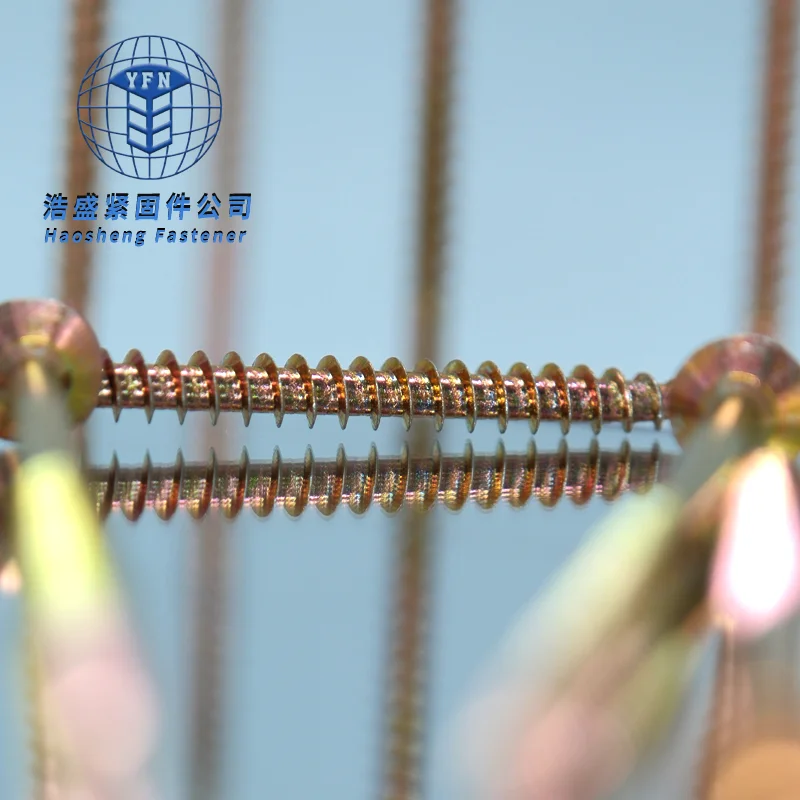
The defining characteristic of bugle head screws is their curved, trumpet-shaped head. This geometry is meticulously designed to distribute clamping pressure evenly across the material. When driven into drywall, the head creates a small, shallow depression (dimple) rather than puncturing through the paper facing. This preserves the structural strength of the board while allowing the head to sit flush. Most of these screws feature a sharp point and a coarse thread, optimized for gripping wooden studs or light-gauge metal frames commonly used in structural metal fabrication.
Pro Tip: To avoid "popping" or tearing the surface, ensure the screw is driven just deep enough to create a dimple without breaking the paper skin of the drywall.
Depending on the environment, the material of the bugle head screws must be chosen carefully to prevent corrosion and failure. For standard indoor drywalls, carbon steel with a black phosphate coating is the industry standard due to its cost-effectiveness and ease of painting. However, for high-humidity areas like bathrooms or outdoor structural metal components, stainless steel or zinc-plated options are preferred. These coatings act as a sacrificial barrier, preventing rust from compromising the joint over time.
While both look similar at a glance, the performance difference is significant. A standard flat head screw has a conical underside that can act like a wedge, potentially splitting thin materials or tearing through the surface of a gypsum board. In contrast, bugle head screws provide a smoother transition, reducing the risk of material fracture. This makes them the superior choice for any application where a flush, clean finish is required without damaging the substrate.
The versatility of bugle head screws extends beyond residential drywall. In the automotive industry, they are often used for interior paneling and upholstery where a protrusion-free surface is critical for safety and aesthetics. In the furniture industry, these screws allow for the secure attachment of thin veneers or plastic covers without cracking the surface. Furthermore, in structural metal fabrication, they are used as specialized fasteners for composite panels, ensuring a tight seal and a professional look.

Choosing the correct size and grade of bugle head screws is essential for maintaining the structural integrity of the assembly. Factors such as thread pitch, drive type (typically Phillips or Torx), and length must be matched to the thickness of the board and the depth of the stud. Below is a representative specification table for common industrial grades:
The choice of fasteners can make or break the professional appearance of a structural project. By utilizing bugle head screws, manufacturers and contractors can ensure a flush finish, superior load distribution, and long-term durability. Whether you are working on a high-end residential interior or complex structural metal fabrication, these screws provide the reliability needed to maintain a high standard of craftsmanship. Invest in precision—invest in quality fasteners for a flawless result.
Bugle head screws are preferred because their curved head design allows them to sink into the gypsum core of the drywall without tearing the paper facing. This creates a small, clean indentation that is easily covered by joint compound. Other screws, such as flat heads or pan heads, either fail to sit flush or penetrate too aggressively through the paper, which weakens the board and makes the finishing process much more difficult and time-consuming.
Coarse threads are designed for fastening into wooden studs or organic materials; they have a wider pitch that grips the wood fibers more effectively. Fine threads, on the other hand, are engineered for metal studs or structural metal frames. The tighter pitch allows the screw to cut into the metal and provide a secure, vibration-resistant hold. Using the wrong thread type can lead to stripping the hole or a lack of holding power.
For areas exposed to moisture, such as bathrooms, kitchens, or outdoor structural elements, we strongly recommend stainless steel or zinc-plated bugle head screws. While black phosphate is excellent for indoor paintable surfaces, it can rust when exposed to humidity. Stainless steel (304 or 316 grade) provides the highest level of corrosion resistance and ensures that the fastener will not bleed rust through the wall finish over time.
While they can be used, it is not always recommended for very hard woods. Because the head is designed to sink into the material, driving them into hardwood without pre-drilling can lead to the head snapping off or the wood splitting. For hardwood applications, it is best to use a pilot hole. However, for softwoods, MDF, and drywall, they perform exceptionally well without pre-drilling, provided the correct drive tool is used to prevent stripping the head.


Hit enter to search or ESC to close
If you are interested in our products, you can choose to leave your information here, and we will be in touch with you shortly.