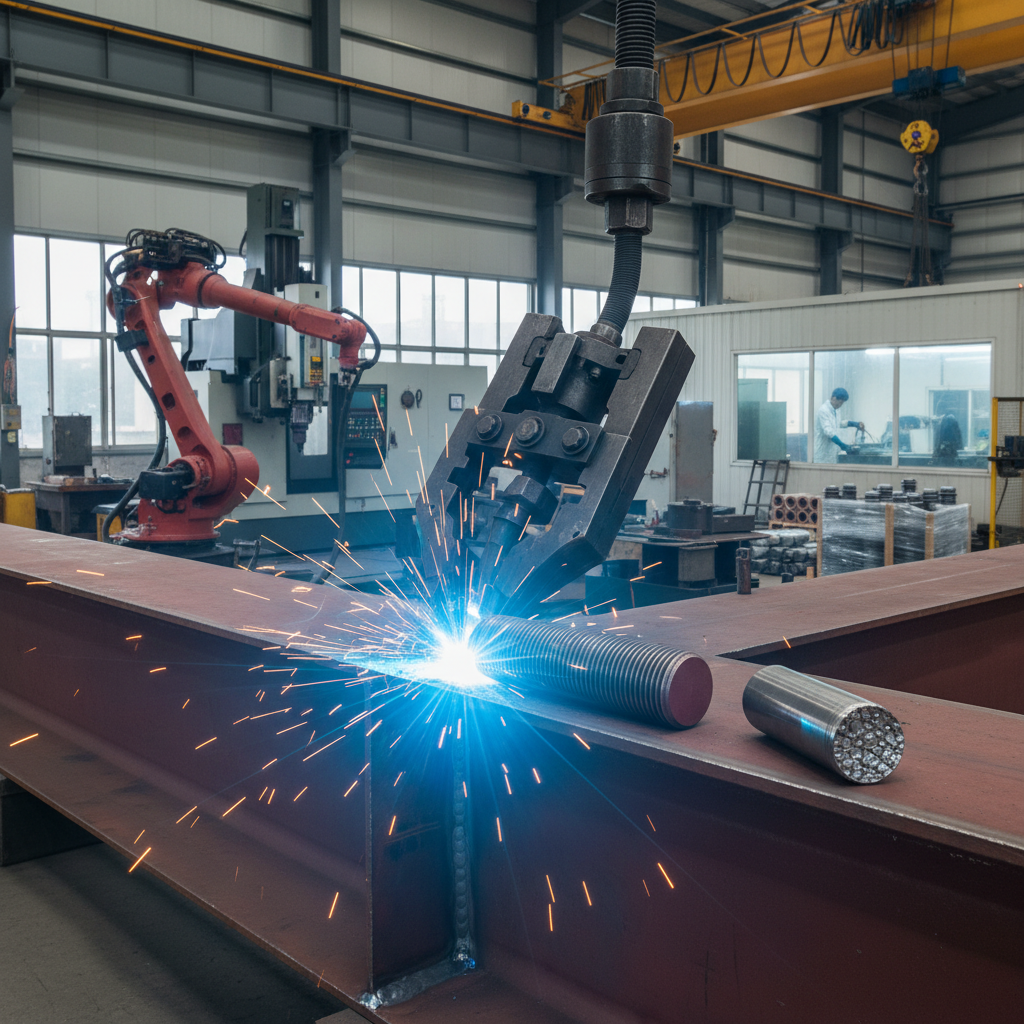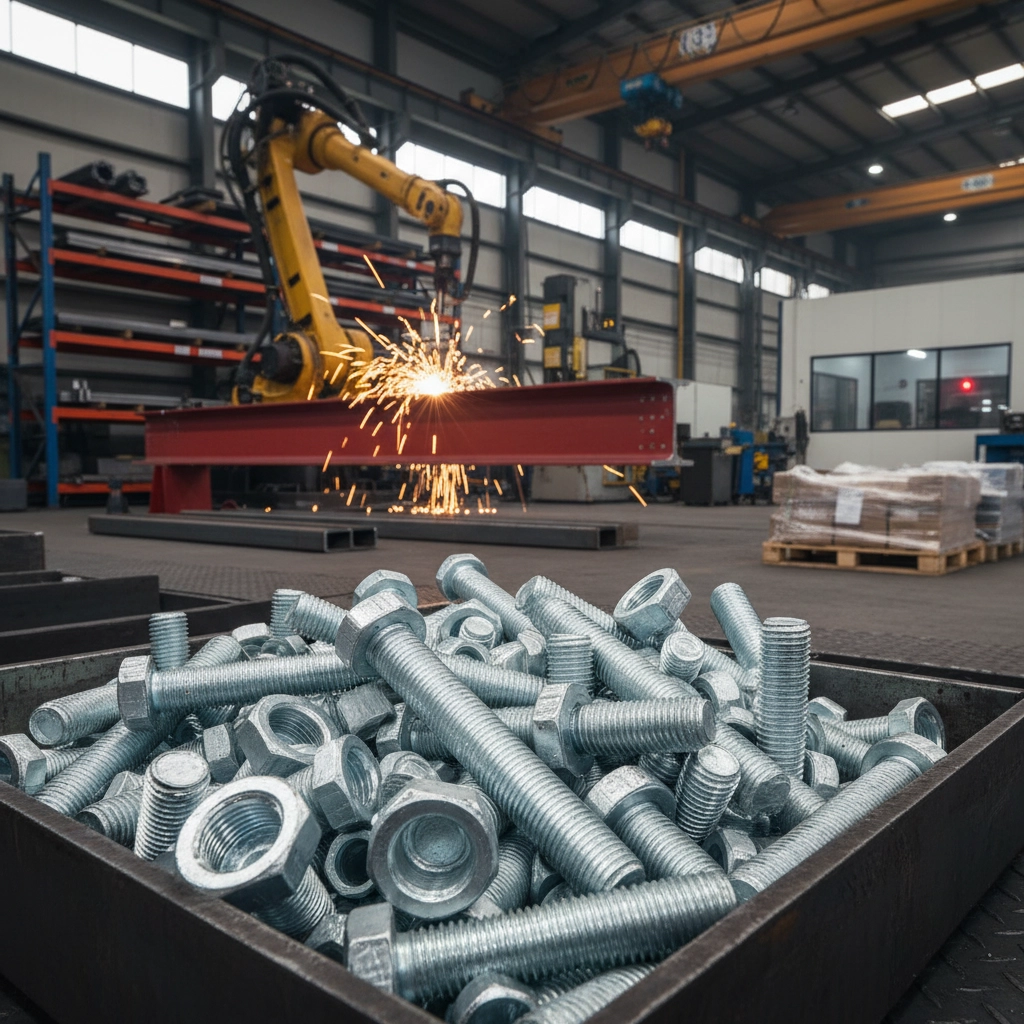


For industrial procurement officers and structural engineers, securing a reliable supply of high-performance fasteners is critical to project safety and longevity. When searching for wholesale screws and nuts, the focus must shift from simple unit pricing to the total value proposition, including material integrity, adherence to international standards, and manufacturer scalability.
The B2B fastener market is complex, involving various grades of carbon and stainless steel, specialized coatings, and rigorous tolerance requirements. Whether the application involves seismic bracing, wind energy turbines, or heavy machinery, the choice of a source factory directly impacts the risk of structural failure and the frequency of long-term maintenance. Understanding the technical nuances between standard components and high-performance alternatives is the first step in optimizing a supply chain.
This guide analyzes the critical factors in industrial fastener sourcing, exploring how technical specifications like the UNI 5587 standard provide superior clamping force over traditional options. Readers will learn how to evaluate supplier certifications, manage bulk inventory risks, and identify the specific material properties required for harsh operational environments to ensure project stability.
B2B Fastener Procurement Essentials
Procuring industrial fasteners at scale requires a deep understanding of the relationship between mechanical properties and application environments. Unlike retail purchasing, B2B sourcing focuses on consistency across thousands of units. The primary challenge for procurement managers is balancing cost-efficiency with the strict safety margins required for structural steel construction. This involves analyzing the "total cost of ownership," where a slightly higher initial investment in premium materials, such as Stainless Steel A4-80 or high-grade Carbon Steel, can lead to significant savings by reducing replacement cycles and preventing catastrophic failure in high-vibration settings. Furthermore, leveraging a wholesale screws partner who operates as a source factory eliminates intermediary markups and allows for direct technical collaboration during the customization process. A professional manufacturer's ability to provide full material traceability and certifications is not just a formality but a critical risk mitigation strategy for any large-scale engineering project.
Strategic Sourcing for High-Strength Fasteners
Optimizing a fastener supply chain requires a multi-dimensional approach that aligns technical requirements with manufacturing capabilities. To ensure structural integrity, buyers must evaluate a supplier's ability to maintain tight tolerances and consistent heat treatment across massive production volumes.
Material Grade Selection
The choice between Carbon Steel and Stainless Steel depends entirely on the environmental exposure and load requirements. For extreme clamping force in structural assemblies, Grade 8, 10, or 12 carbon steel is preferred. However, for marine or offshore platforms, Stainless Steel A2-70 or A4-80 is essential to prevent oxidation. Selecting the wrong grade can lead to hydrogen embrittlement or premature corrosion, compromising the entire assembly.
| Material Type | Primary Benefit | Typical Application | Key Limitation |
|---|---|---|---|
| Carbon Steel (Gr 10/12) | Extreme Tensile Strength | Bridge Construction | Prone to Rust without Coating |
| Stainless Steel A2-70 | General Corrosion Resistance | Food Processing Equipment | Lower Strength than Carbon Steel |
| Stainless Steel A4-80 | Acid/Chloride Resistance | Marine/Offshore Rigging | Higher Material Cost |
| Hot-Dip Galvanized | Sacrificial Protection | Outdoor Infrastructure | Thicker Coating Affects Fit |
| Dacromet Finish | High Salt-Spray Resistance | Automotive Chassis | Specialized Application Process |
| Black Oxide | Low Friction / Aesthetics | Internal Machinery | Minimal Corrosion Protection |
Compliance and Certifications
In the global B2B market, certifications serve as the primary proxy for quality. ISO9001 ensures consistent management systems, while ISO14001 and ISO45001 reflect commitment to environmental and occupational health standards. For European projects, compliance with anti-dumping regulations and UNI standards is mandatory. A supplier capable of providing these certifications demonstrates a level of professional maturity that reduces the buyer's audit burden.
Load Distribution Mechanics
Standard fasteners can fail when stress is concentrated on a small surface area. High-performance options, such as the UNI 5587 thick hex nut, utilize increased height and expanded wrenching surfaces to distribute clamping force over a wider area. This deeper thread engagement prevents self-loosening in dynamic load environments and reduces the risk of thread stripping during high-torque installation.
Corrosion Resistance Strategies
Surface finishes are as critical as the base material. While stainless steel provides inherent resistance, carbon steel requires specialized coatings like Zinc Plating (ZP) or Hot-Dip Galvanizing (HDG) for outdoor use. The selection of the finish must be matched to the specific atmospheric conditions—such as high humidity or saline air—to avoid interstitial corrosion that could lead to sudden structural failure.
Customization and OEM Capabilities
Off-the-shelf components often fall short in specialized engineering. The ability of a source factory to offer OEM/ODM customization—including non-standard sizes (M3 to M80) and specific thread pitches—allows engineers to optimize the weight and strength of their assemblies. Direct factory collaboration ensures that custom specifications are integrated into the cold-forging and heat-treatment process for maximum reliability.
Inventory and Lead Time Management
Supply chain disruptions can halt multi-million dollar projects. To mitigate this, procurement strategies should prioritize suppliers with massive spot-goods inventories (e.g., 2,000 tons of hot-selling items) and a proven production capacity (over 60,000 tons annually). This ensures that urgent project requirements are met without waiting for the standard 30-35 day production cycle.
Supplier Reliability Assessment
Evaluating a supplier goes beyond the quote. Key indicators include the scale of the facility (e.g., 20,000 sqm), the origin of their machinery (such as advanced imports from Taiwan), and their historical export record to diverse regions. A supplier that has served over 10,000 global customers across 38+ countries possesses the logistical and technical expertise to handle the complexities of international shipping and compliance.
FAQ
What is the primary technical advantage of UNI 5587 thick nuts over standard hex nuts?
The UNI 5587 Thick Hex Nut is engineered with an increased height and a larger wrenching surface. This design allows for higher torque application and significantly improves load distribution across the mating threads. By increasing the thread engagement depth, it provides superior vibration resistance and reduces the likelihood of loosening in high-stress industrial applications compared to standard nuts.
Which material should I choose for high-salinity marine environments?
For marine or offshore settings, Stainless Steel A4-70 or A4-80 is highly recommended due to its superior resistance to chlorides and salt-water corrosion. Alternatively, for structural carbon steel applications, Hot-Dip Galvanized (HDG) coatings provide a robust sacrificial layer of zinc that protects the underlying steel from the harsh oxidative effects of saline air.
How do I ensure the nut strength class matches the bolt for maximum safety?
To prevent thread stripping, the nut should always have a strength class equal to or higher than the bolt it is paired with. For example, a Class 10 nut should be used with a Class 10.9 bolt. Using a lower-grade nut on a high-strength bolt creates a weak point in the assembly, which can lead to failure under maximum clamping loads.
Can thick hex nuts be used in seismic bracing systems?
Yes, thick nuts are specifically designed for structural steel construction, including bridges and seismic bracing. Their ability to handle higher torque and distribute stress more evenly makes them ideal for applications where the structure must withstand dynamic loads and sudden shocks without losing fastener tension.
What documentation should I request from a fastener source factory?
Professional buyers should request ISO certification (9001, 14001, 45001), full material mill test reports (MTRs), and traceability certificates. For international shipments, verify the supplier's compliance with destination-specific anti-dumping duties and standards (such as UNI or DIN) to avoid customs delays and ensure mechanical compliance.
What are the typical lead times for custom industrial fasteners?
Standard delivery generally ranges from 30 to 35 days following the deposit. However, lead times for custom OEM specifications may vary depending on the complexity of the drawing and the current production queue. Working with a manufacturer that maintains a large inventory of raw materials and high-capacity cold-forging machines can often shorten these timelines.
References and further reading
- International Organization for Standardization (ISO) - Quality Management Systems for Fastener Manufacturing.
- UNI (Ente Nazionale Italiano di Unificazione) - Standard Specifications for Heavy Hex Nuts.
- ASM International - Materials Handbook for Carbon and Stainless Steels in Industrial Applications.
Related Articles