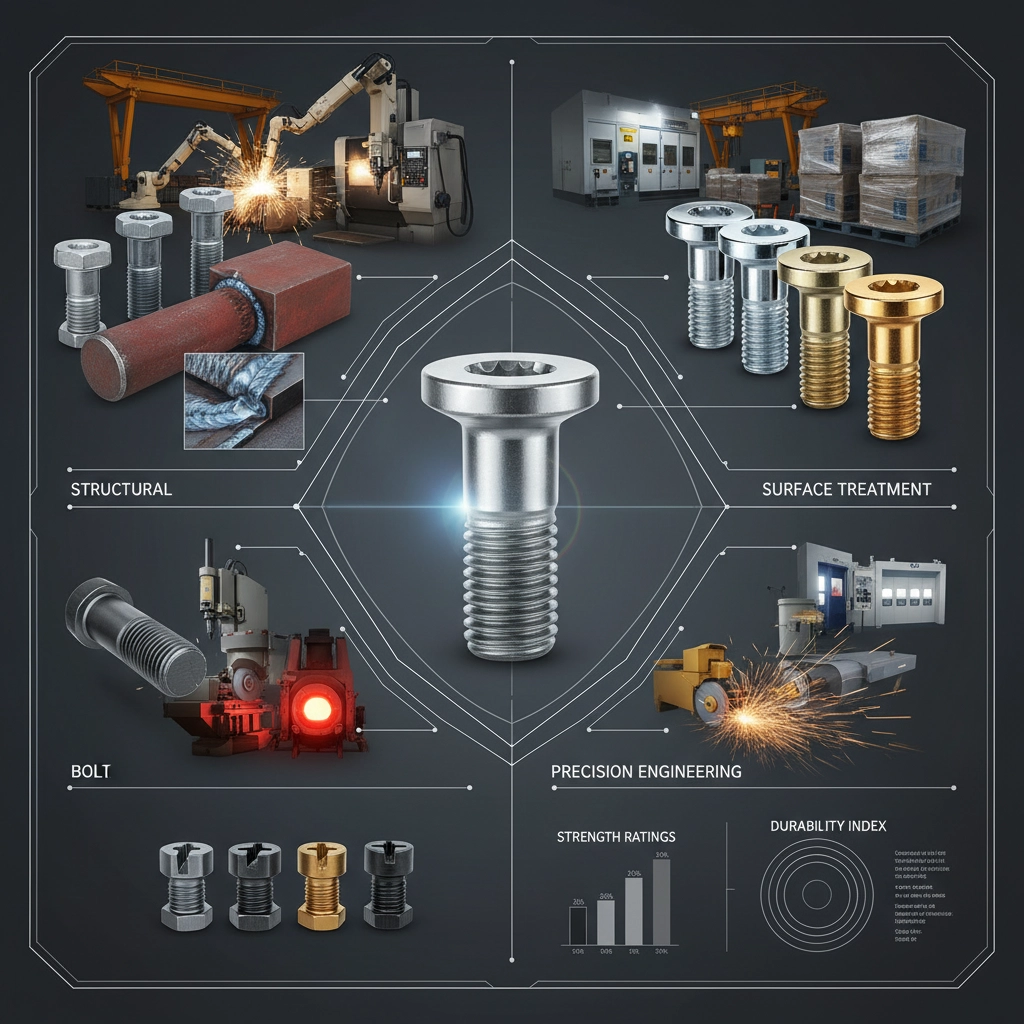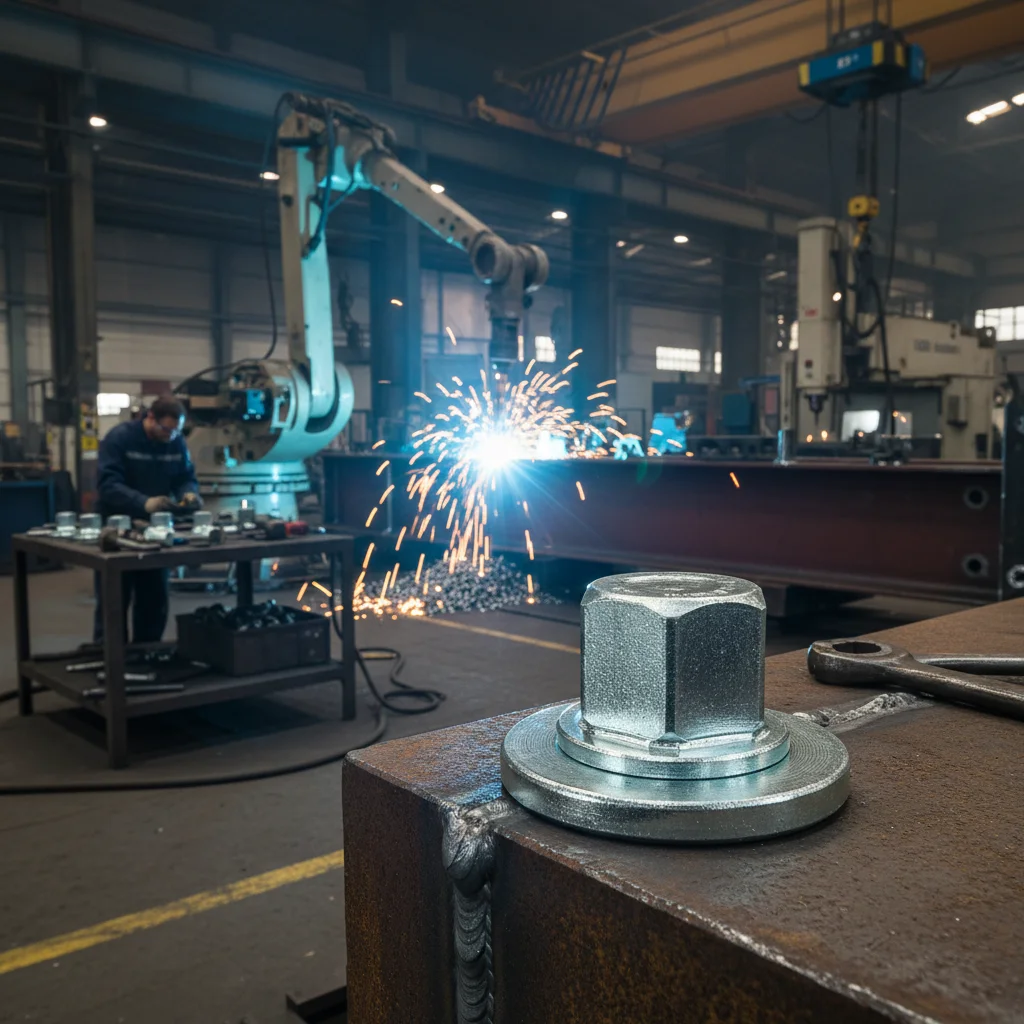
In the demanding world of structural metal fabrication, the choice of hardware can make the difference between a seamless finish and a structural liability. The flat head bolt stands as a critical component for engineers and designers who prioritize both aesthetic cleanliness and mechanical integrity, providing a flush mounting surface that eliminates protrusions.
Across global industries, from aerospace to high-end cabinetry and automotive assembly, the demand for precision-engineered fasteners has surged. As modern architecture moves toward minimalist designs and tighter tolerances, understanding the specific application of a flat head bolt becomes essential for ensuring safety and longevity in heavy-duty metal structures.
Whether you are dealing with high-tensile requirements in bridge construction or intricate assemblies in industrial machinery, the right fastener selection impacts cost-efficiency and maintenance cycles. This guide explores the technical nuances, global applications, and future innovations surrounding these indispensable structural elements.
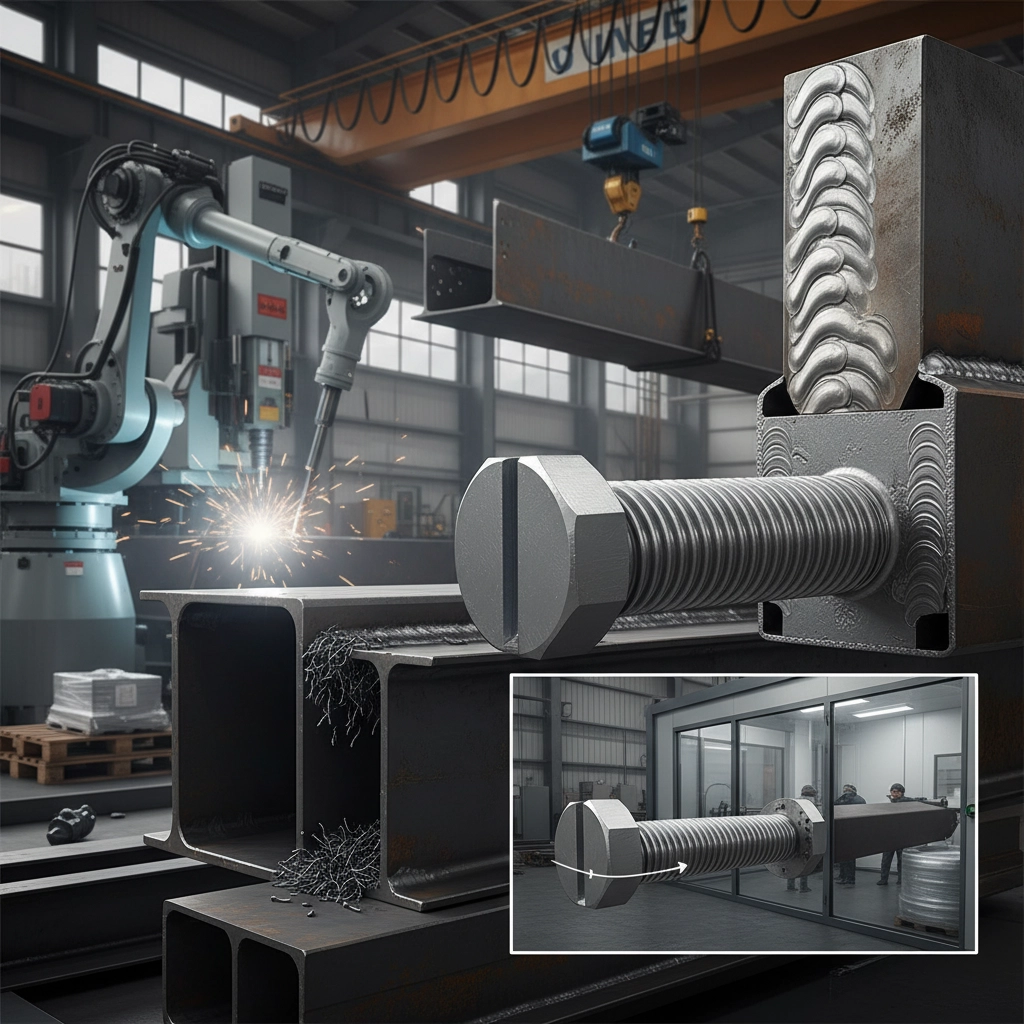
The global construction and manufacturing sectors rely heavily on standardized fasteners to maintain safety and interoperability. According to ISO standards, the precise geometry of a flat head bolt is engineered to allow the head to sit flush with or below the surface of the material, which is critical in high-traffic areas where protruding bolt heads could pose safety risks or interfere with moving parts.
In the context of the World Bank's infrastructure development goals, the shift toward prefabricated structural metal products has increased the need for fasteners that facilitate rapid assembly without compromising strength. The flat head bolt addresses the challenge of creating streamlined, aerodynamic, or ergonomically smooth surfaces in everything from railway carriages to urban steel frameworks.
A flat head bolt is a type of threaded fastener characterized by a head with a flat top and a conical underside. This specific geometry allows the bolt to be countersunk into a pre-drilled hole, ensuring that the top of the head is perfectly aligned with the surface of the joined materials, creating a smooth, unobstructed finish.
From a mechanical perspective, the conical bearing surface distributes the clamping force across a wider area of the countersink, which prevents the material from cracking under high tension. This makes the fastener ideal for hardwoods, plastics, and soft metals where traditional hex bolts might cause surface deformation or "mushrooming" during installation.
In modern industry, these fasteners are not merely "screws" but are precision-engineered components that bridge the gap between aesthetic design and structural necessity. They are often integrated into modular housing and aerospace panels where every millimeter of clearance is vital for the overall functionality of the system.
When evaluating a flat head bolt, the first critical factor is material durability. Depending on the environment, engineers choose between stainless steel for corrosion resistance in marine settings or alloy steel for maximum tensile strength in structural beams.
Precision in the countersink angle is the second pillar of performance. If the angle of the flat head bolt does not perfectly match the pre-drilled hole, the clamping force becomes uneven, leading to potential loosening over time due to vibration or thermal expansion.
Lastly, cost-efficiency and scalability are paramount for large-scale projects. Utilizing standardized metric or imperial sizing ensures that maintenance teams can easily replace components without needing specialized tools, thereby reducing the total cost of ownership for the industrial asset.
The application of the flat head bolt spans across diverse geographical and industrial landscapes. In Europe's precision automotive industry, these bolts are used in interior panels and engine components to reduce wind resistance and prevent snagging in tight compartments.
In remote industrial zones, such as mining operations in Australia or oil rigs in the North Sea, these fasteners are treated with specialized coatings (like zinc-nickel or PTFE) to withstand extreme salinity and humidity. In post-disaster relief operations, modular housing units utilize flush-mount fasteners to ensure that temporary shelters are safe for inhabitants, with no sharp edges protruding from the walls.
The primary long-term value of incorporating a flat head bolt lies in its ability to enhance both safety and sustainability. By eliminating protrusions, these fasteners reduce the risk of accidental injury and wear-and-tear caused by external friction, which significantly extends the lifespan of the assembled structure.
From a logical angle, the use of flush fasteners reduces the need for additional protective capping or trim, lowering material waste and labor costs. Emotionally, for the end-user, a flush finish conveys a sense of quality, precision, and professionalism, fostering trust in the brand and the engineering behind the product.
The future of the flat head bolt is being reshaped by the transition toward green energy and digital manufacturing. We are seeing a rise in the use of bio-composite coatings and recycled high-grade alloys to reduce the carbon footprint of fastener production without sacrificing structural load capacity.
Automation and AI-driven quality control are now allowing for "zero-defect" manufacturing. This means every flat head bolt can be scanned for microscopic fissures using ultrasonic testing, ensuring that critical components in high-speed rail or aircraft wings never fail due to material fatigue.
Furthermore, the integration of "smart fasteners" is on the horizon. These advanced bolts may include embedded sensors capable of monitoring tension levels and alerting maintenance crews via IoT networks when a flat head bolt requires tightening, moving industry from reactive to predictive maintenance.
One of the most frequent challenges when using a flat head bolt is "head stripping" or "cam-out," where the driving tool slips out of the socket during high-torque installation. This is often caused by using incompatible driver bits or applying excessive force without proper alignment.
To overcome this, professional fabricators are moving toward Torx or Hex socket drives instead of traditional Phillips heads. These designs provide a more secure grip and allow for higher torque transmission, ensuring the flat head bolt is seated fully and securely within the countersink.
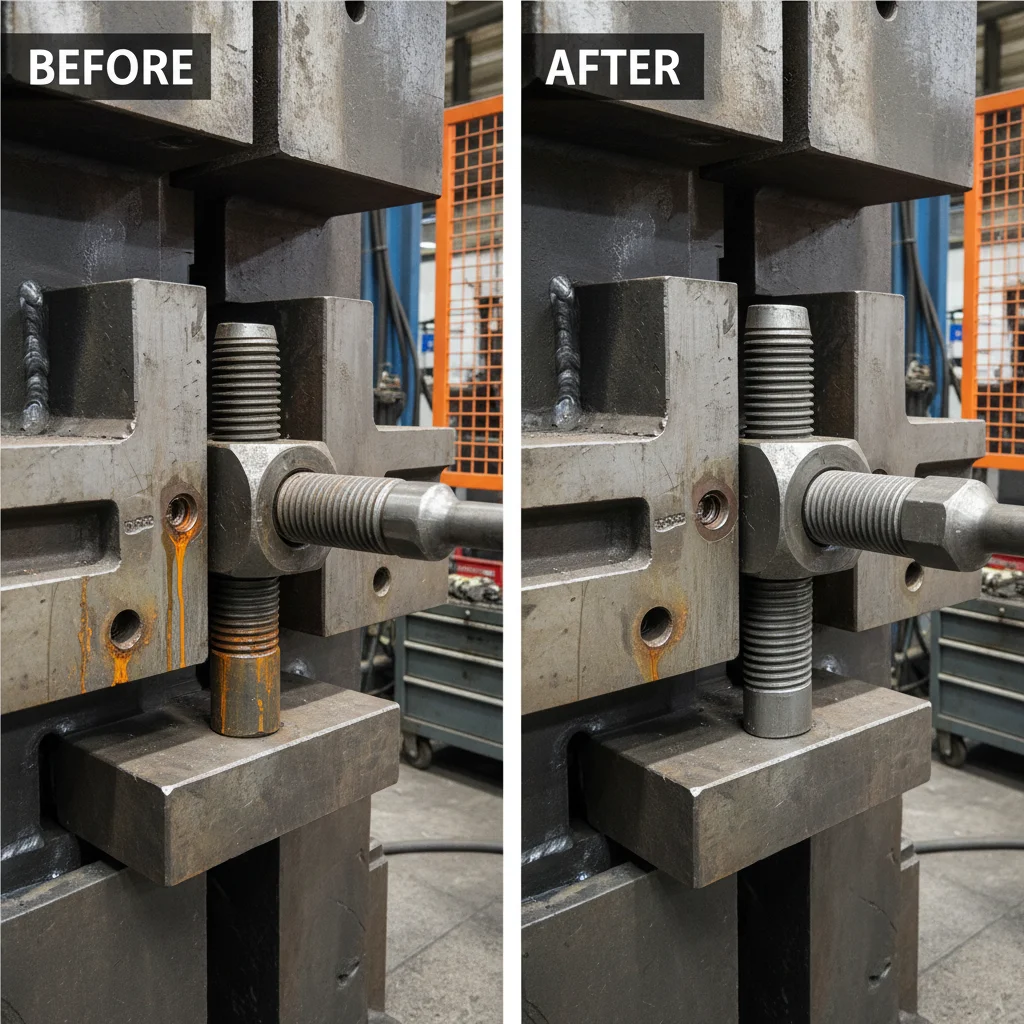
Another limitation is the potential for galvanic corrosion when bolts are used with dissimilar metals. The professional solution is the application of isolation washers or the use of high-grade stainless steel fasteners, which create a chemically stable bond and prevent the degradation of the structural integrity over decades of use.
| Material Grade | Corrosion Resistance | Tensile Strength | Primary Use Case |
|---|---|---|---|
| Stainless 304 | High | Moderate | Food Grade Equipment |
| Grade 8 Alloy | Low (Uncoated) | Very High | Heavy Machinery |
| Stainless 316 | Very High | Moderate | Marine Environments |
| Titanium Grade 5 | Extreme | High | Aerospace Panels |
| Zinc-Plated Steel | Moderate | Moderate | General Construction |
| Brass/Bronze | Moderate | Low | Decorative/Electrical |
The primary difference is the head geometry and how they sit against the material. A flat head bolt is designed to be countersunk, meaning it sits flush with the surface. A pan head bolt has a slightly rounded top and sits on top of the surface, providing more clamping force but creating a protrusion. For applications requiring a smooth surface, the flat head is the only viable choice.
To prevent stripping, always ensure you are using the exact driver size specified for the bolt. Switching from a Phillips drive to a Torx or Hex socket drive significantly reduces cam-out. Additionally, ensure the countersink hole is properly cleared of debris and that you are applying pressure perpendicular to the surface of the material.
Yes, provided that the beam has been properly countersunk. However, because countersinking removes material from the beam, you must verify that the remaining wall thickness is sufficient to maintain the beam's structural integrity. In high-load structural steel, high-tensile alloy flat head bolts are recommended over standard carbon steel.
For saltwater or marine environments, Stainless Steel 316 is the industry standard due to its molybdenum content, which resists pitting and chloride corrosion. For extreme aerospace or military marine applications, Titanium is preferred for its unmatched strength-to-weight ratio and absolute immunity to most forms of corrosion.
Yes. The conical head creates a wedge effect that helps center the fastener and distributes the load. If the angle of the bolt head does not match the countersink angle, the load is concentrated on a small point rather than the entire surface, which can lead to material failure or the bolt loosening under vibration.
The choice depends entirely on the standards of your project and the region of manufacture. Metric is the global standard for most modern industrial machinery and European/Asian projects. Imperial (UNC/UNF) is still widely used in North American construction. Mixing the two in one project is highly discouraged as it leads to tooling errors and potential structural failure.
The flat head bolt is far more than a simple fastener; it is a precision tool that enables the creation of safe, streamlined, and durable metal structures. From the critical selection of material grades like Stainless 316 and Grade 8 Alloy to the meticulous execution of countersinking, every detail contributes to the overall stability and aesthetic quality of the final product. By balancing mechanical strength with a flush finish, these components allow engineers to push the boundaries of modern design and industrial efficiency.
As we look toward a future defined by sustainable materials and smart manufacturing, the role of the fastener will continue to evolve. We encourage professionals to prioritize high-precision specifications and corrosion-resistant materials to ensure their projects stand the test of time. For those seeking industry-leading fastening solutions that meet global ISO and ASTM standards, we invite you to explore our comprehensive catalog. Visit our website: www.yfnfasteners.com

Hit enter to search or ESC to close
If you are interested in our products, you can choose to leave your information here, and we will be in touch with you shortly.