English
HANDAN HAOSHENG FASTENER CO., LTD.

High Performance Wheel Nut Engineering and Industrial Safety Standards

0%

Table of Contents

The stability of any vehicular or heavy machinery system begins with the smallest components, and the wheel nut stands as a critical sentinel of safety. In the realm of structural metal fabrication, these fasteners are not merely accessories but engineered solutions designed to withstand immense shear forces and constant vibration. Understanding the nuances of their design is essential for engineers and procurement specialists who prioritize operational longevity and passenger safety.

Globally, the demand for high-performance fasteners has surged as the automotive and industrial sectors shift toward heavier loads and higher speeds. The wheel nut must perform flawlessly under extreme thermal expansion and contraction, making material science the cornerstone of its effectiveness. From passenger cars to massive mining haulers, the integrity of the wheel assembly relies entirely on the clamping force provided by these specialized nuts.

Integrating a high-quality wheel nut into a production line ensures that the final assembly meets stringent international safety standards, such as ISO and ASTM. By focusing on precision threading and advanced coating technologies, manufacturers can prevent catastrophic wheel detachments and reduce maintenance downtime. This guide explores the technical depth and commercial importance of these indispensable fasteners in modern metal fabrication.
wheel nut

Global Industry Context of Wheel Nut Engineering

wheel nut

The global logistics and transport infrastructure relies heavily on the reliability of the wheel nut. With the rise of electric vehicles (EVs), which are typically heavier due to battery packs, the stress placed on wheel fasteners has increased significantly. Data from ISO standards indicate that torque precision and material fatigue resistance are now the primary focus for manufacturers to prevent wheel failure in high-torque environments.

Furthermore, in emerging economies, the expansion of heavy-duty mining and construction equipment has created a surge in demand for oversized, high-tensile wheel nuts. The challenge lies in balancing cost-efficiency with the absolute necessity of safety, as a single failure in a remote industrial zone can lead to millions of dollars in lost productivity and severe safety risks.

Defining the Technical Role of a Wheel Nut

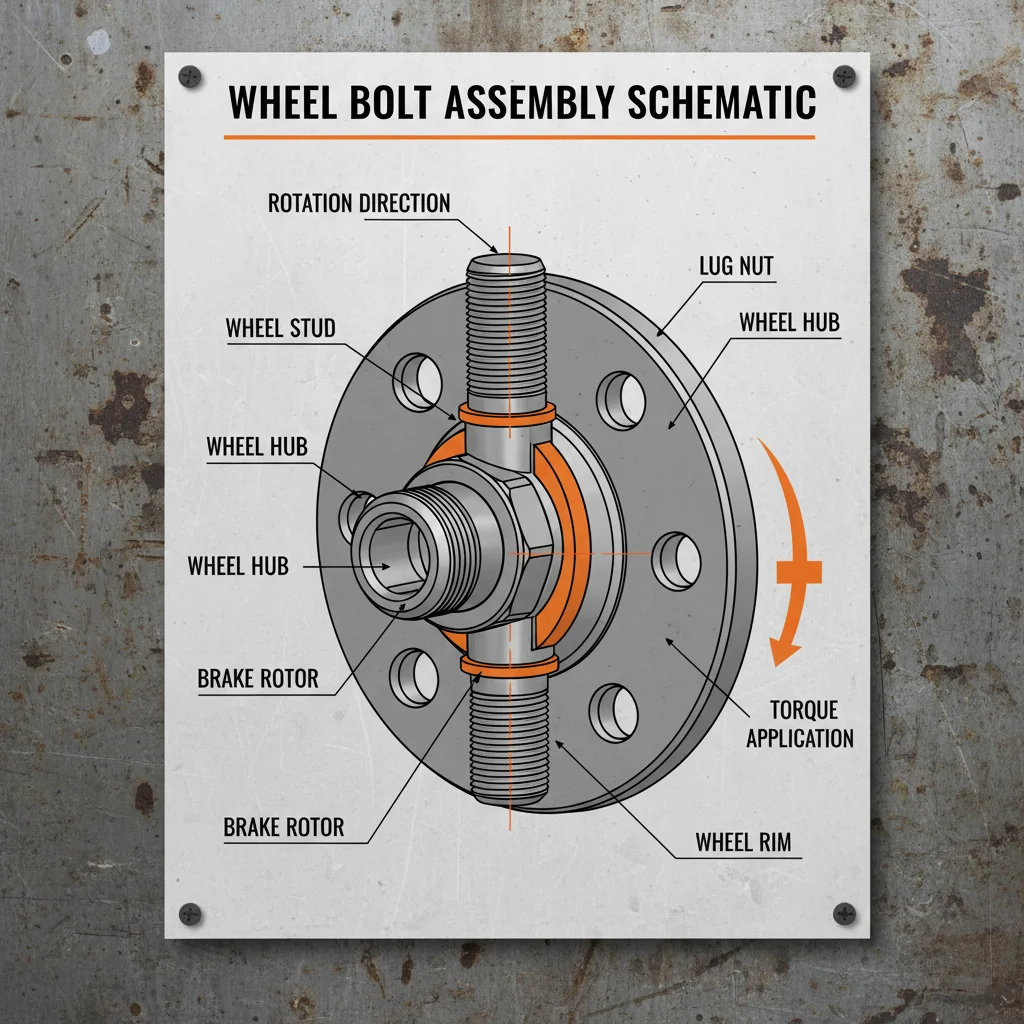
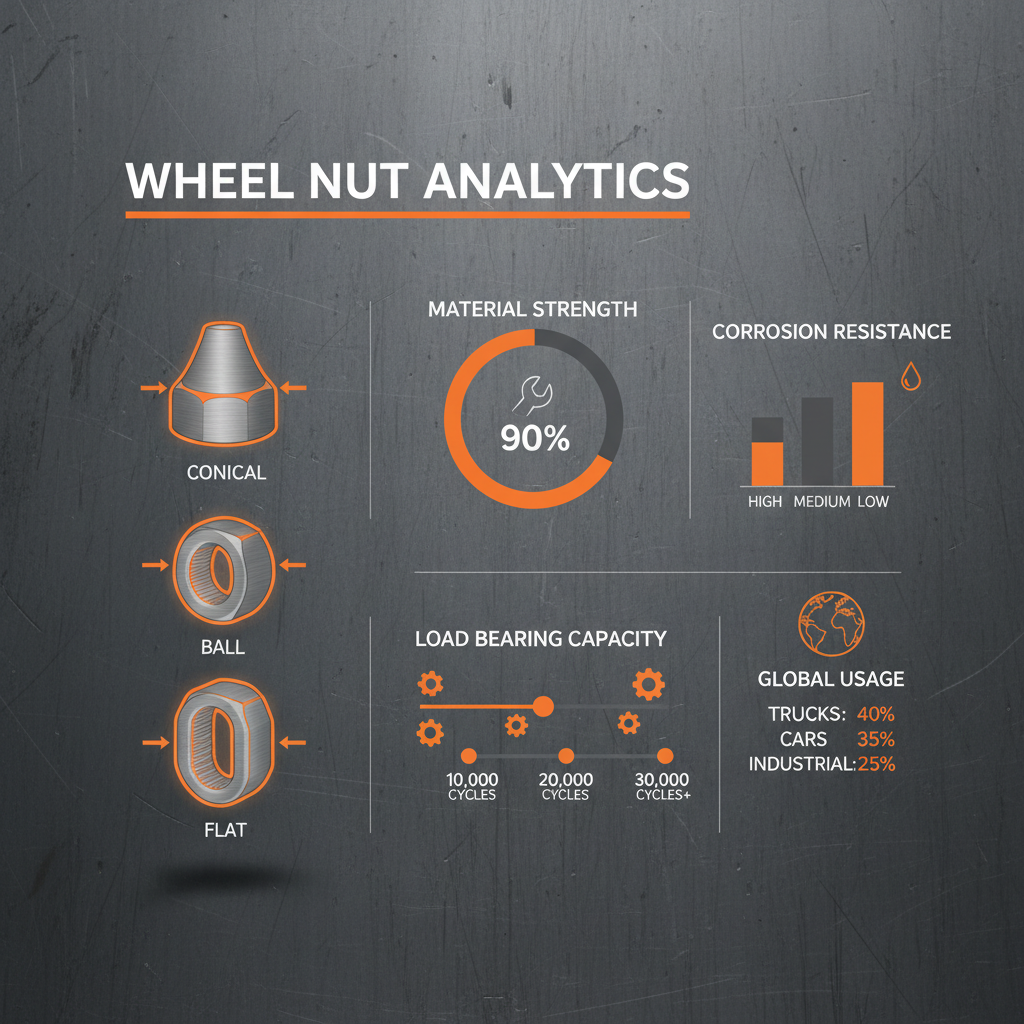
In the simplest terms, a wheel nut is a specialized internal-thread fastener used to secure a wheel to a vehicle's hub or axle. Unlike standard hex nuts, these are engineered with specific seat types—such as conical, spherical, or flat—to ensure the wheel is centered perfectly and clamped with uniform pressure across the mounting surface.

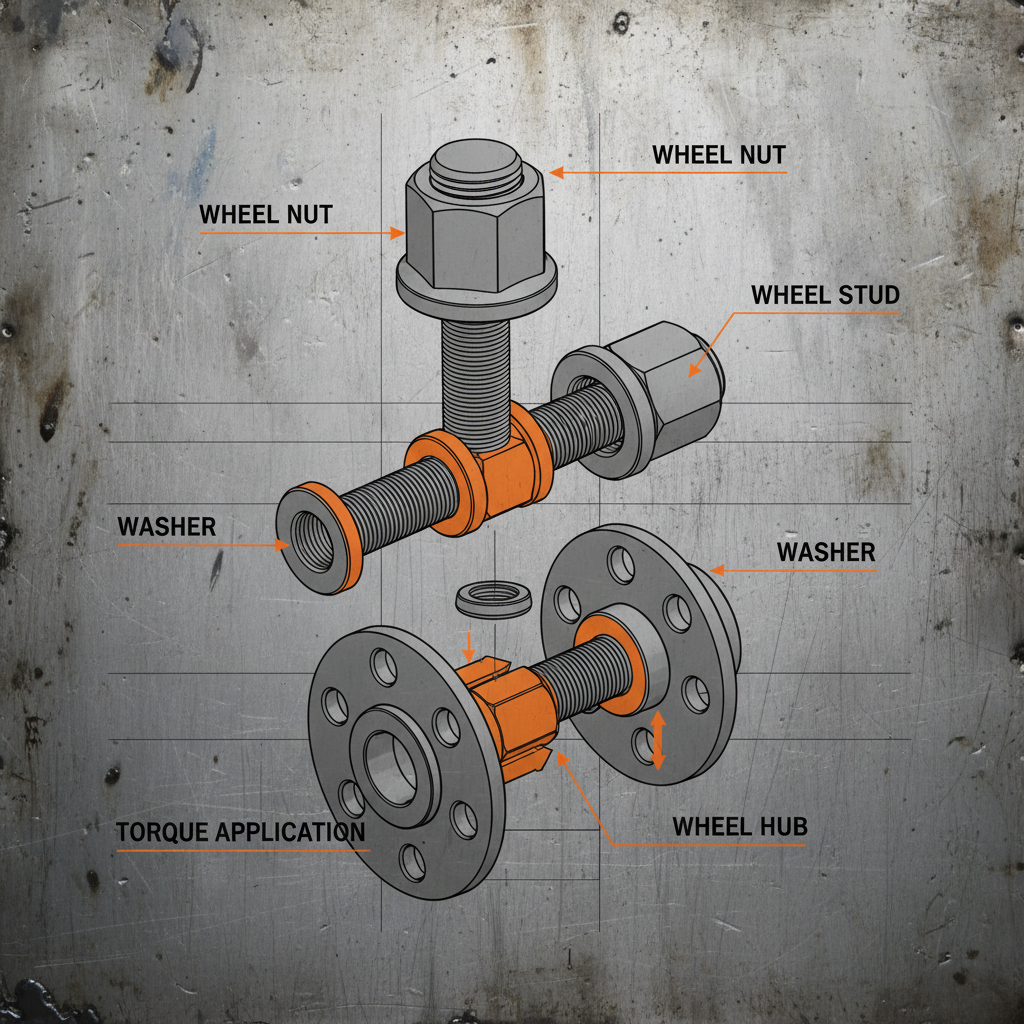
Beyond simple fastening, these components act as a critical interface in the drivetrain. They must convert the rotational torque of the axle into a clamping force that prevents the wheel from wobbling or detaching under lateral loads. This synergy between the nut, the stud, and the rim is what allows modern transport to operate at high speeds safely.

From a humanitarian and industrial perspective, the standardization of the wheel nut facilitates rapid repairs in crisis zones. Whether it is an ambulance in a disaster-stricken area or a food delivery truck in a remote village, the ability to replace a fastener with a globally recognized standard ensures that critical supply chains remain unbroken.

Core Components of Fastener Durability

Material composition is the first pillar of wheel nut durability. Most high-grade fasteners utilize alloy steel or stainless steel, treated with heat processes to achieve specific hardness levels. This ensures that the threads do not strip under the high torque required for industrial applications.

Corrosion resistance is equally vital, especially for vehicles operating in coastal regions or salted winter roads. Advanced coatings such as zinc plating, geomet, or chrome plating are applied to the wheel nut to prevent oxidation, which could otherwise seize the nut and make emergency tire changes nearly impossible.

Finally, the precision of the thread pitch and the geometry of the seating surface determine the scalability of the fastening system. A perfectly engineered wheel nut minimizes "settling," a phenomenon where the nut loosens slightly after the first few miles of driving, thereby ensuring long-term stability and reduced maintenance.

Comparative Performance of Wheel Nut Materials

Selecting the right material for a wheel nut depends on the balance between weight, strength, and environmental exposure. While carbon steel offers excellent cost-efficiency and strength, it requires heavy coating to survive humid environments. In contrast, titanium alloys are gaining popularity in high-end automotive sectors for their strength-to-weight ratio.

Below is a performance analysis of various wheel nut material options based on industrial testing metrics. This data helps engineers choose the most appropriate fastener for specific load-bearing requirements.

Industrial Performance Comparison of Wheel Nut Variants

Global Applications and Industrial Use Cases

The application of a wheel nut extends far beyond the passenger car. In the aviation industry, specialized fasteners are used in ground support equipment and tugs that move aircraft, where failure would result in catastrophic damage to multi-million dollar jets. Similarly, in the agricultural sector, heavy-duty tractors operating in muddy, corrosive soils rely on oversized wheel nuts with deep threads to maintain grip and structural integrity.

In remote industrial zones, such as the mining regions of Australia or the oil fields of Canada, the use of "locking" wheel nut designs is mandatory. These nuts utilize nylon inserts or deformation locks to ensure that constant vibration from unpaved roads does not loosen the fastener, thereby reducing the frequency of hazardous roadside maintenance in extreme climates.

Long-Term Value and Safety Advantages

Investing in high-grade wheel nut components provides a tangible return on investment through reduced maintenance cycles. When a company utilizes precision-engineered fasteners, the "torque retention" is significantly higher, meaning fewer inspections are required to ensure the wheels are secure. This operational efficiency translates directly into lower labor costs and higher vehicle uptime.

From an emotional and ethical standpoint, the reliability of a wheel nut is about trust. For a fleet manager, knowing that every vehicle on the road is equipped with certified fasteners provides peace of mind. The safety of the driver and the public depends on these small pieces of metal, making the choice of a reputable supplier a matter of corporate responsibility.

Moreover, the sustainability of high-quality fasteners is evident in their longevity. Cheap, low-grade nuts often strip or corrode, leading to premature replacement and increased waste. By opting for durable, corrosion-resistant materials, industries contribute to a more circular economy by extending the lifecycle of the entire wheel assembly.

Future Trends in Smart Wheel Nut Technology

The future of the wheel nut is trending toward "smart" integration. We are seeing the development of fasteners embedded with piezoelectric sensors that can monitor torque levels in real-time. These smart nuts can send an alert to the driver's dashboard or a fleet manager's computer the moment a nut begins to loosen, moving maintenance from a scheduled task to a predictive one.

Digital transformation in manufacturing is also introducing 3D-printed metal fasteners. Using Direct Metal Laser Sintering (DMLS), engineers can create wheel nut geometries that were previously impossible to machine, allowing for internal weight reduction without compromising the clamping force. This is particularly valuable for the aerospace and EV sectors where every gram of weight affects efficiency.

As the world moves toward green energy, the focus is shifting toward sustainable metallurgy. The next generation of wheel nuts will likely use recycled high-strength alloys and bio-based anti-corrosion coatings, reducing the environmental footprint of the fastener production process while maintaining the rigorous safety standards required by the industry.

Technical Specification Analysis of Modern Wheel Nut Variants

Nut Material Tensile Strength Corrosion Rating Typical Application
Carbon Steel (Grade 8) High Moderate Standard Commercial Trucks
Stainless Steel 316 Medium Excellent Marine & Food Processing
Chrome-Moly Alloy Very High High Racing & High-Performance
Titanium Ti-6Al-4V High Superior Aerospace / Luxury EVs
Zinc-Plated Steel Medium-High Good Passenger Vehicles
Hardened Alloy Steel Maximum Low (Uncoated) Heavy Mining Equipment

FAQS

How often should a wheel nut be torqued and checked?

For most commercial vehicles, it is recommended to check the torque of every wheel nut after the first 50 to 100 miles following a wheel installation. Subsequently, regular checks should be part of a monthly maintenance schedule or every 5,000 miles to ensure vibration hasn't compromised the clamping force.

What happens if I use the wrong seat type for my wheel nut?

Using a conical wheel nut on a flat-seat rim can lead to insufficient clamping force, as the nut only contacts a small portion of the rim. This creates a high risk of the nut loosening during operation, which can lead to wheel wobble or complete detachment.

Can I reuse a locking wheel nut indefinitely?

While the metal body of a wheel nut is durable, locking nuts with nylon inserts (Nyloc) have a limited lifespan. Once the nylon is compressed through multiple removal and installation cycles, its ability to prevent loosening diminishes, and the nut should be replaced.

Why are some wheel nuts specifically coated in chrome or zinc?

Coatings on a wheel nut serve two purposes: aesthetics and protection. Zinc plating provides a sacrificial layer that prevents the underlying steel from rusting, while chrome is often used for higher corrosion resistance and a polished look in consumer vehicles.

What is the difference between a lug nut and a wheel nut?

In many contexts, the terms are used interchangeably. However, technically, a lug nut refers specifically to the nut that secures the wheel to a stud, whereas wheel nut is a broader term that can encompass various fastening methods used to secure wheels across different industrial platforms.

How do I prevent wheel nuts from seizing due to rust?

The best prevention is using a wheel nut with a high-quality anti-corrosive coating. Additionally, applying a small amount of high-temperature anti-seize lubricant to the threads during installation can prevent oxidation from welding the nut to the stud, especially in salty environments.

Conclusion

The wheel nut may be a small component, but its role in structural integrity and safety is absolute. From the selection of high-tensile alloys and precision seat geometries to the implementation of advanced anti-corrosion coatings, every detail contributes to the reliability of the transport system. By understanding the intersection of material science and mechanical engineering, industries can ensure that their fleets operate with maximum efficiency and minimum risk.

Looking forward, the integration of smart sensors and sustainable metallurgy will redefine the standards of wheel fastening. We encourage engineers and procurement officers to prioritize quality and certification over short-term cost savings to guarantee long-term operational success. For those seeking industry-leading fastening solutions, visit our website: www.yfnfasteners.com.

William Vance

William Vance

William is our Senior Product Specialist specializing in customized fastener solutions and U-bolt applications. With a background in mechanical engineering, he works closely with clients to provide free samples and technical prototypes. His goal is to translate complex customer needs into high-performance hardware that supports the 'ark of their career'.
Next High Performance Wheel Bolt Technical Guide and Industry Standards

If you are interested in our products, you can choose to leave your information here, and we will be in touch with you shortly.