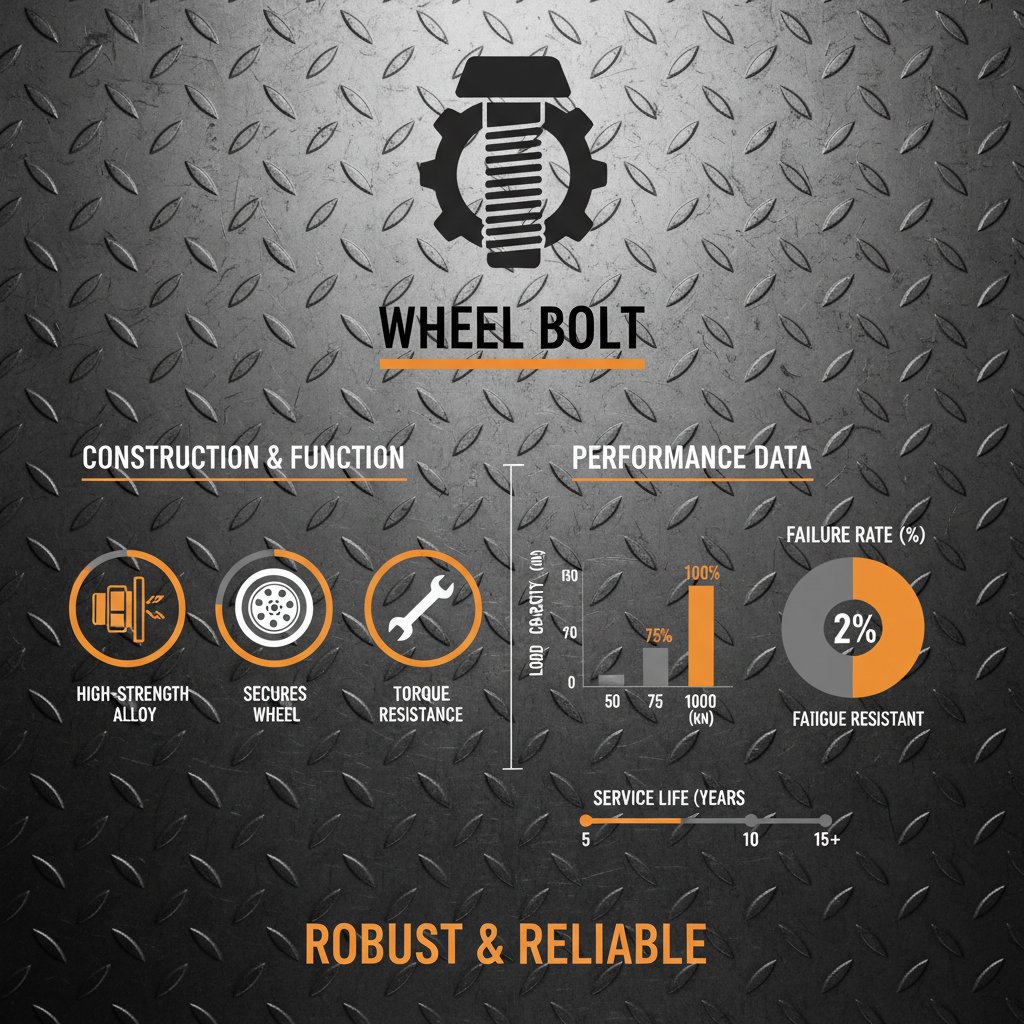
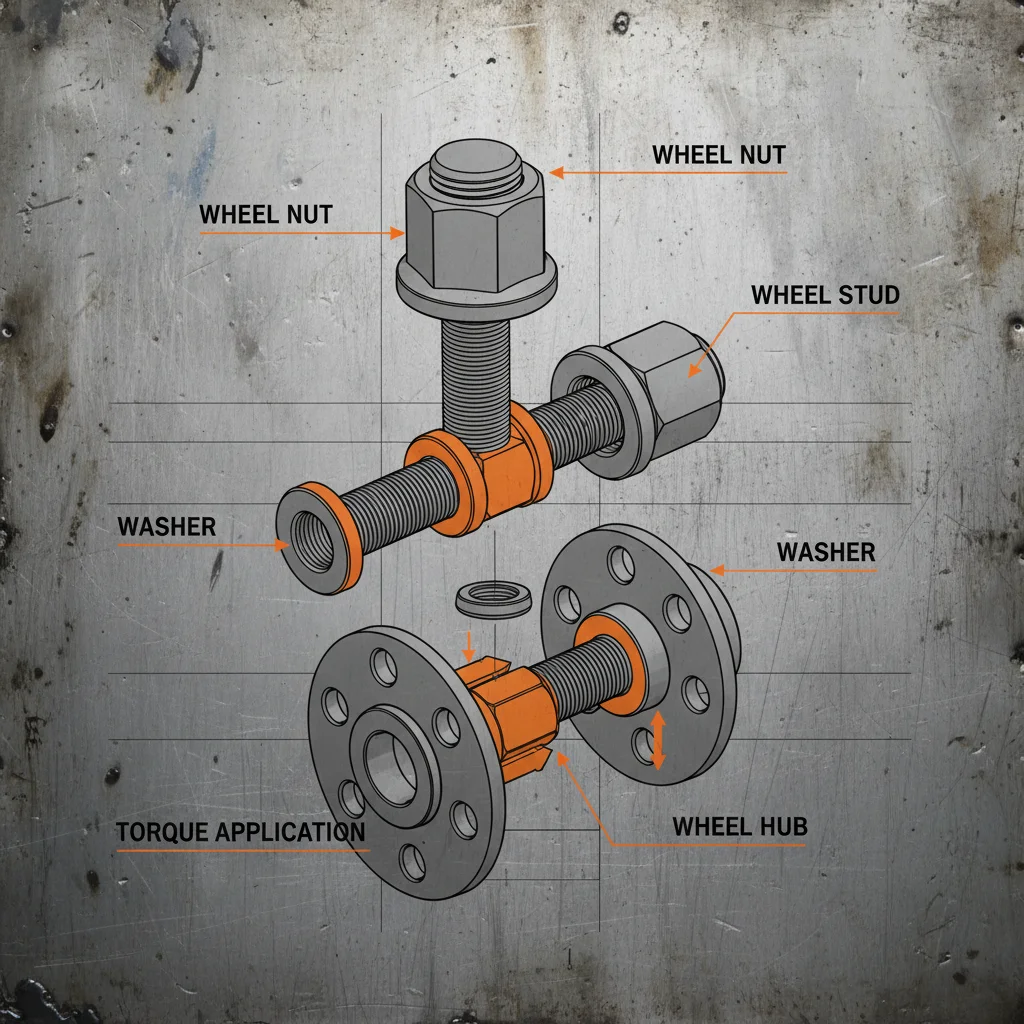
The integrity of any vehicle or heavy machinery depends heavily on the smallest components, and among these, the wheel bolt stands as a critical safety element. These specialized fasteners are engineered to withstand immense shear forces and vibrational stress, ensuring that the wheel remains securely attached to the hub under the most demanding conditions. Understanding the nuances of their metallurgy and installation is not just a technical requirement but a safety imperative for the automotive and industrial sectors.
Globally, the demand for high-performance fasteners has surged as vehicle weights increase and engine power grows, putting unprecedented pressure on wheel mounting systems. From the logistics fleets traversing continental highways to the specialized machinery in mining operations, the reliability of a wheel bolt directly impacts operational uptime and human life. This has led to a shift toward more advanced alloy steels and precision coating technologies to prevent fatigue and corrosion.
By exploring the technical specifications, material science, and evolving standards of these components, engineers and procurement specialists can optimize their maintenance cycles and reduce the risk of catastrophic failure. This guide provides a comprehensive look at the industry standards and innovation trends surrounding the wheel bolt, bridging the gap between raw industrial parameters and real-world commercial applications.
Global Industrial Context of Wheel Bolts
In the current global industrial landscape, the automotive and transport sectors are under immense pressure to improve safety and efficiency. According to ISO standards, the precision of fastening systems is paramount, as even a minor deviation in the torque of a wheel bolt can lead to catastrophic wheel detachment. With the rise of electric vehicles (EVs), which are typically heavier due to battery packs, the load requirements for these fasteners have shifted, necessitating a rethink of traditional material strengths.
The challenge lies in balancing mass reduction for fuel efficiency with the absolute necessity of structural integrity. As international trade expands, the standardization of these bolts becomes crucial to ensure that replacement parts are compatible across different regions, reducing downtime in global logistics chains and enhancing the reliability of cross-border transport.
Defining the Technical Role of Wheel Bolts
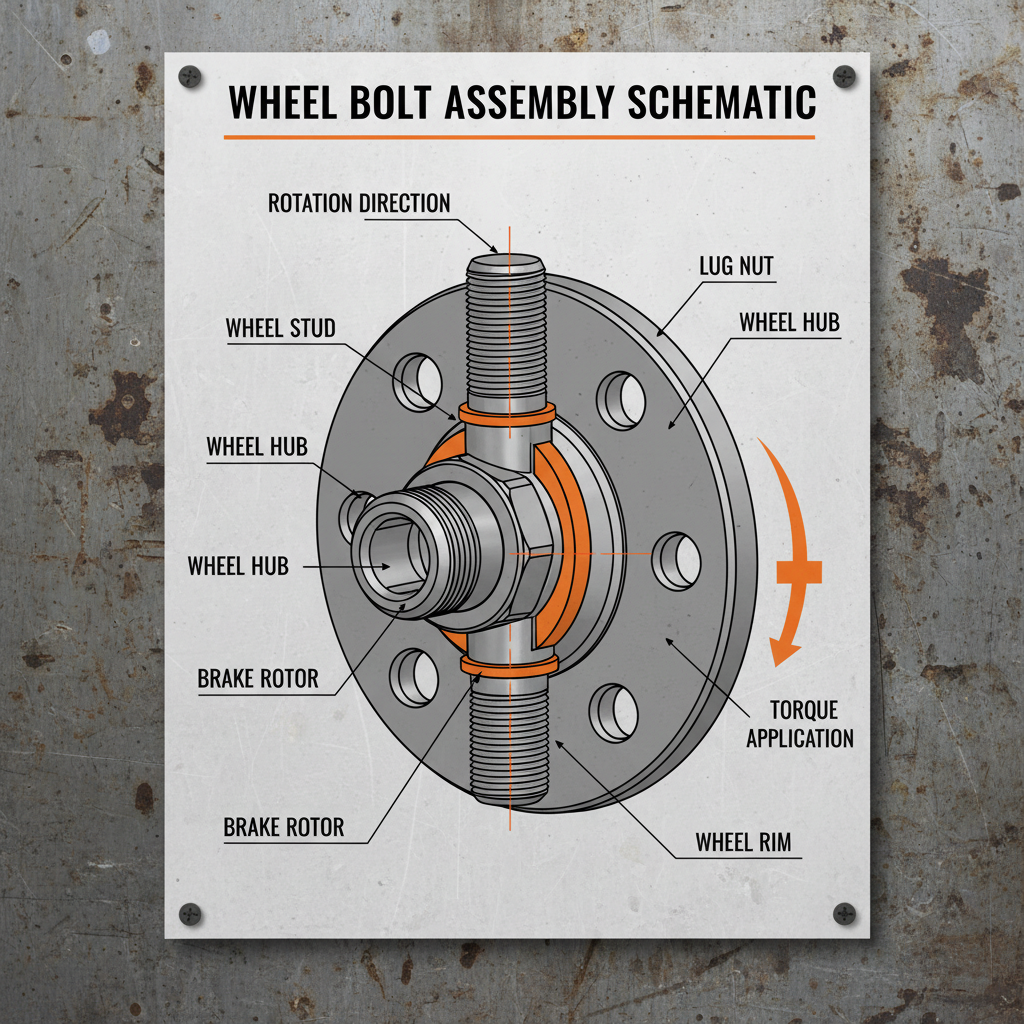
At its simplest, a wheel bolt is a specialized threaded fastener used to secure a wheel to a vehicle's hub. Unlike a stud-and-nut system, the bolt passes through the wheel rim and threads directly into the hub. This design is prevalent in many European automotive brands and high-performance machinery, offering a streamlined assembly process and a high level of clamping force.
Beyond the basic mechanical function, these components act as the primary interface between the vehicle's drivetrain and the road. They must manage complex forces, including radial loads, axial loads, and the extreme torque generated during acceleration and braking. This makes the wheel bolt a critical piece of engineering that bridges the gap between structural metal manufacturing and automotive safety.
In modern industry, the definition of a high-quality fastener has expanded to include not just dimensional accuracy but also surface chemistry. The integration of zinc-nickel coatings and phosphate treatments ensures that these bolts can survive in salted winter roads or humid tropical climates, reflecting a humanitarian need for safer transportation infrastructure globally.
Core Components of Bolt Durability
The durability of a wheel bolt is primarily determined by its material grade. Most industrial-grade bolts utilize alloy steel, such as Grade 10.9 or 12.9, which provides the necessary tensile strength to prevent stretching under load. This metallurgical foundation is what allows the fastener to maintain its clamping force over thousands of miles of operation.
Precision threading is another core component; the pitch and tolerance of the wheel bolt must be exact to avoid galling or stripping during installation. When the thread geometry is optimized, it distributes the load evenly across the hub, significantly reducing the risk of stress concentration points that could lead to fatigue cracks.
Finally, the seat design—whether conical, spherical, or flat—plays a vital role in how the bolt interacts with the wheel rim. A perfectly matched seat ensures that the wheel bolt centers the wheel accurately on the hub, preventing vibrations that could otherwise lead to premature wear of the suspension and braking components.
Performance Metrics and Efficiency
Evaluating the efficiency of a wheel bolt requires a look at the relationship between torque application and actual clamping force. Efficiency is measured by how much of the applied torque is converted into tension rather than being lost to friction between the threads and the mating surface. This is where high-quality coatings become essential, as they provide consistent lubrication.
From a commercial perspective, the scalability of production and the cost-to-performance ratio are key metrics. Manufacturers aim to produce bolts that offer maximum safety while remaining cost-effective for mass-market automotive assembly, ensuring that safety is not a luxury but a standard feature of every vehicle.
Comparative Performance of Wheel Bolt Material Grades
Global Applications and Real-World Use Cases
The application of the wheel bolt extends far beyond passenger cars. In heavy-duty mining sectors in Australia and South America, oversized wheel bolts are used to secure massive tires on haul trucks, where they must endure extreme temperature fluctuations and abrasive dust environments. In these remote industrial zones, the failure of a single bolt can halt production for an entire site, emphasizing the need for ultra-high-tensile materials.
Similarly, in European logistics hubs, the standardization of these fasteners allows for rapid fleet maintenance. For instance, in the transport of perishable goods across the Alps, the reliability of the wheel mounting system is tested by constant braking and acceleration on steep inclines, making the precision-engineered wheel bolt an unsung hero of the global supply chain.
Long-Term Value and Safety Advantages
Investing in premium wheel bolt solutions provides tangible long-term value by reducing the frequency of replacements and preventing costly downtime. From a logical standpoint, a bolt with superior corrosion resistance reduces the labor costs associated with removing rusted fasteners during routine tire rotations, thereby improving the overall efficiency of vehicle maintenance.
Beyond the economics, there is an emotional angle of trust and dignity. A driver's confidence in their vehicle is rooted in the knowledge that every critical fastener, including the wheel bolt, has been manufactured to the highest safety standards. This trust is the foundation of innovation in the transport industry, allowing for the development of faster and more efficient transit systems.
Furthermore, the sustainability aspect cannot be ignored. Higher quality bolts have a longer lifecycle, meaning fewer resources are consumed in the manufacturing of replacements. By choosing fasteners that are engineered for longevity, industries contribute to a more sustainable manufacturing ecosystem, reducing the environmental footprint of the metalworking sector.
Future Innovations in Fastening Technology
The future of the wheel bolt is being shaped by the digital transformation of the automotive industry. We are seeing the emergence of "smart fasteners" equipped with micro-sensors that can monitor tension and torque in real-time. These sensors can alert the driver or a fleet manager via a digital dashboard if a bolt begins to loosen, shifting maintenance from a schedule-based approach to a predictive, data-driven one.
Material science is also evolving with the introduction of carbon-nanotube reinforced alloys and advanced ceramic coatings. These innovations aim to create a wheel bolt that is significantly lighter than steel but possesses double the tensile strength, which is essential for the next generation of hyper-efficient electric aircraft and high-speed rail systems.
Additionally, the push toward green energy is influencing manufacturing processes. The industry is moving toward "green forging" and low-emission electroplating techniques to produce fasteners. This ensures that the entire lifecycle of the wheel bolt, from raw ore to the scrapyard, aligns with global sustainability goals and carbon-neutrality policies.
Analysis of Wheel Bolt Specifications Across Different Vehicle Classes
| Vehicle Category |
Preferred Material |
Avg. Torque Requirement |
Durability Rating |
| Passenger Sedan |
Grade 8.8 Steel |
110-140 Nm |
7/10 |
| Luxury SUV |
Grade 10.9 Alloy |
140-180 Nm |
8/10 |
| Light Commercial |
Grade 10.9 Alloy |
180-220 Nm |
9/10 |
| Heavy Duty Truck |
Grade 12.9 High-Tensile |
400-600 Nm |
10/10 |
| Racing Vehicle |
Titanium Alloy |
100-150 Nm |
9/10 |
| Industrial Loader |
Hardened Alloy Steel |
500-800 Nm |
10/10 |
FAQS
A wheel bolt is a single piece that passes through the wheel and threads into the hub. In contrast, a wheel stud is permanently pressed into the hub, and a separate nut is used to secure the wheel. Bolts are common in European cars, while studs are more prevalent in American and Asian vehicles. The choice depends on the manufacturer's hub design and the specific load requirements of the vehicle.
Most high-quality wheel bolts are designed for multiple uses. However, you must inspect them for "stretching" or thread wear. In high-performance or heavy-duty industrial applications, some manufacturers recommend replacing them after a certain number of cycles to avoid fatigue failure. Always check the manufacturer's specifications regarding the "torque-to-yield" properties of the specific bolt grade.
Over-torquing can lead to several critical issues: it can strip the threads in the hub, stretch the bolt beyond its elastic limit (causing permanent deformation), or even snap the bolt head off. This compromises the clamping force and can lead to the wheel becoming loose during operation. Using a calibrated torque wrench is the only way to ensure the bolt is tightened to the precise engineering specification.
Bolt grades are typically stamped on the head of the fastener. For example, markings like "10.9" or "12.9" indicate the property class of the alloy steel, reflecting its tensile strength and yield point. If the markings are worn or missing, you should refer to the vehicle's technical manual or use a hardness tester to ensure the bolt meets the required safety standards for your specific application.
The coatings are primarily for corrosion resistance and lubrication. Silver coatings are often zinc or chrome-plated to prevent rust in wet environments. Black coatings may be phosphate or black-oxide, which provide a base for further lubrication and resist oxidation. These treatments are vital for ensuring the bolt can be removed during maintenance without needing excessive force or heat.
For standard commercial use, titanium is usually overkill and not cost-effective. However, for specialized racing or aerospace applications where every gram of unsprung weight matters, titanium offers an incredible strength-to-weight ratio and superior corrosion resistance. For most industrial fleets, Grade 10.9 or 12.9 alloy steel provides the best balance of reliability and value.
Conclusion
The wheel bolt may seem like a simple piece of hardware, but it is a masterpiece of metallurgical engineering that ensures the safety of millions of journeys every day. From the selection of high-tensile alloy steels to the application of advanced anti-corrosion coatings, every detail contributes to the structural integrity of the vehicle. By prioritizing quality, adhering to precise torque specifications, and staying abreast of material innovations, industries can significantly reduce risks and operational costs.
As we move toward a future of heavier electric vehicles and smarter infrastructure, the evolution of the wheel bolt will continue to be driven by the need for lighter, stronger, and more intelligent fastening solutions. We encourage fleet managers and engineers to audit their current fastener standards and transition toward high-performance components that offer long-term reliability. To explore our full range of industrial fasteners and find the perfect solution for your needs, visit our website: www.yfnfasteners.com.