
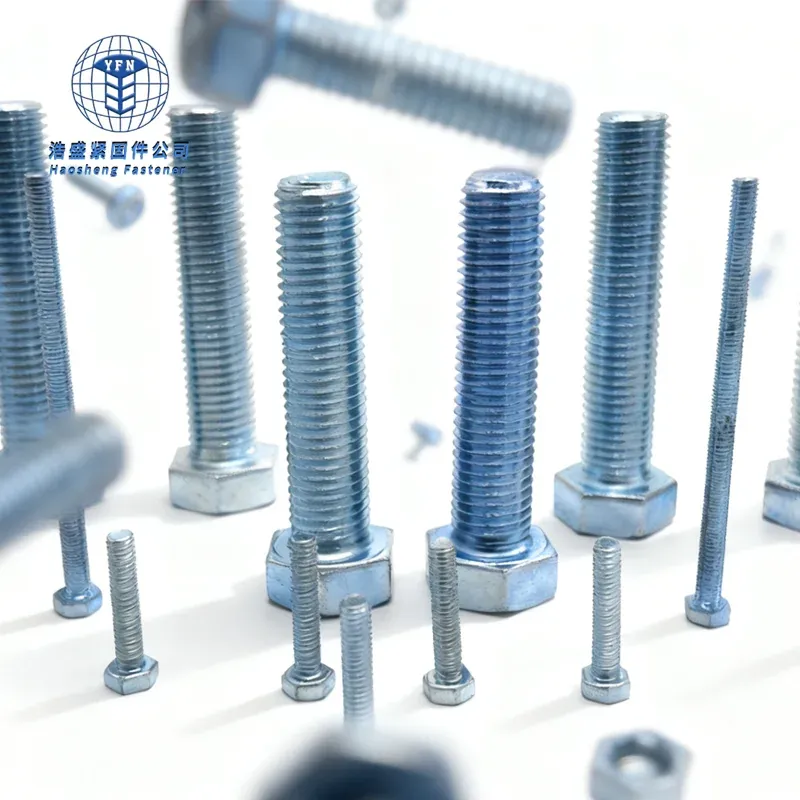
Romania's metal fabrication industry is currently experiencing a surge driven by significant infrastructure investments in the Bucharest-Ilfov region and the industrial hubs of Transylvania. The prevalence of diverse climatic zones—from the humid coastal areas of the Black Sea to the alpine conditions of the Carpathians—requires fasteners like the hex bolt to possess exceptional atmospheric corrosion resistance.
Current market dynamics show a transition toward high-tensile materials to support the growing number of logistics warehouses and automotive plants. The demand for precision-engineered machine screws has risen as Romania becomes a primary European hub for electronics and automotive component assembly, necessitating tighter tolerances and higher fatigue strength.
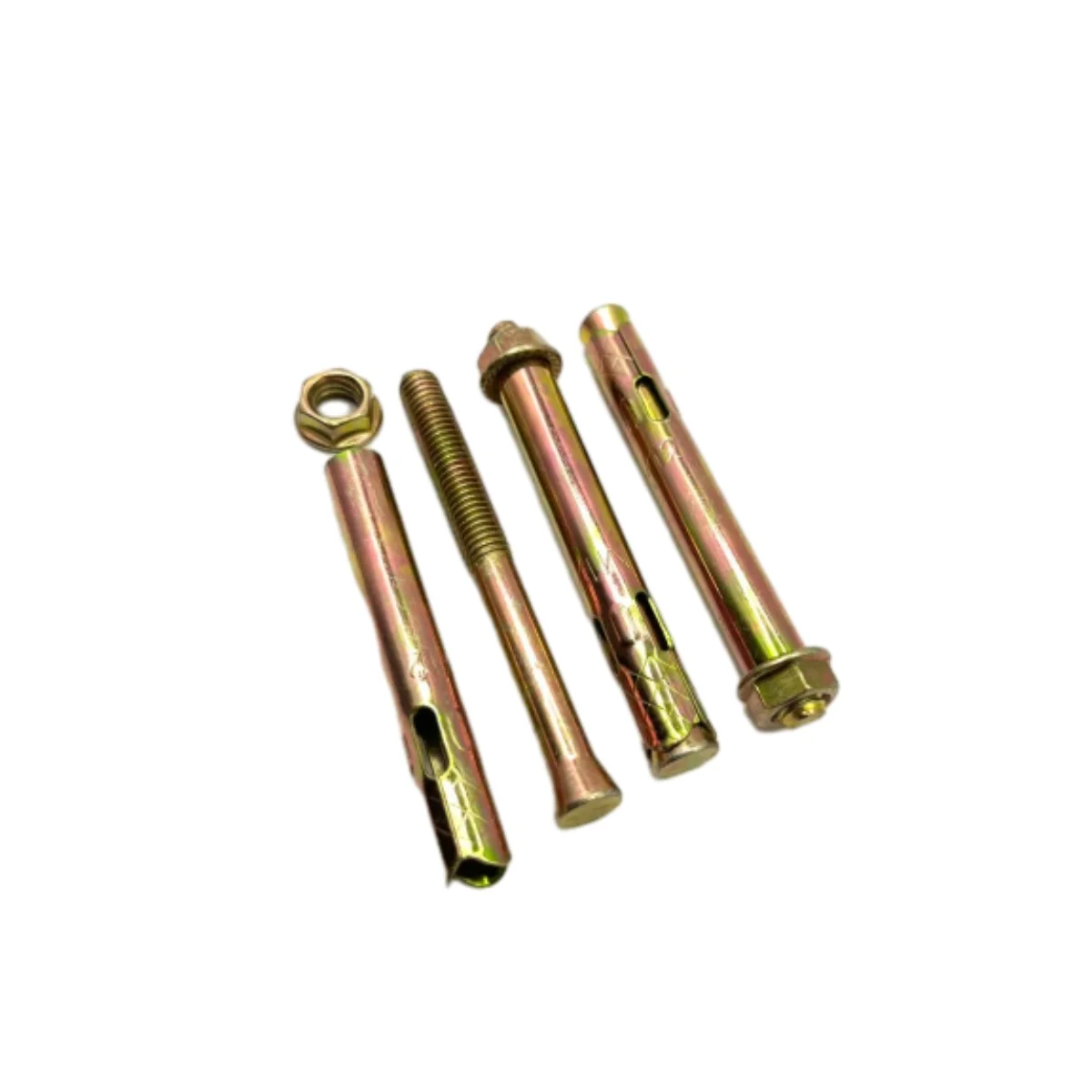
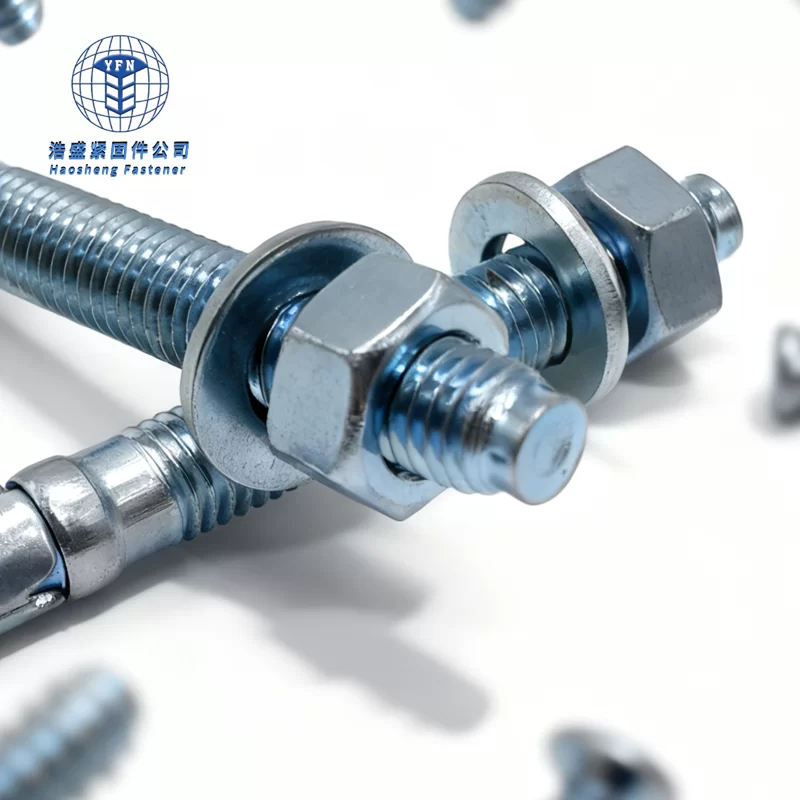
Furthermore, Romania's seismic activity levels necessitate the use of specialized anchoring systems. The adoption of the metal frame anchor has become standard practice in new structural projects to ensure that steel frameworks remain secure during tectonic shifts, blending local building codes with Eurocode 3 standards.