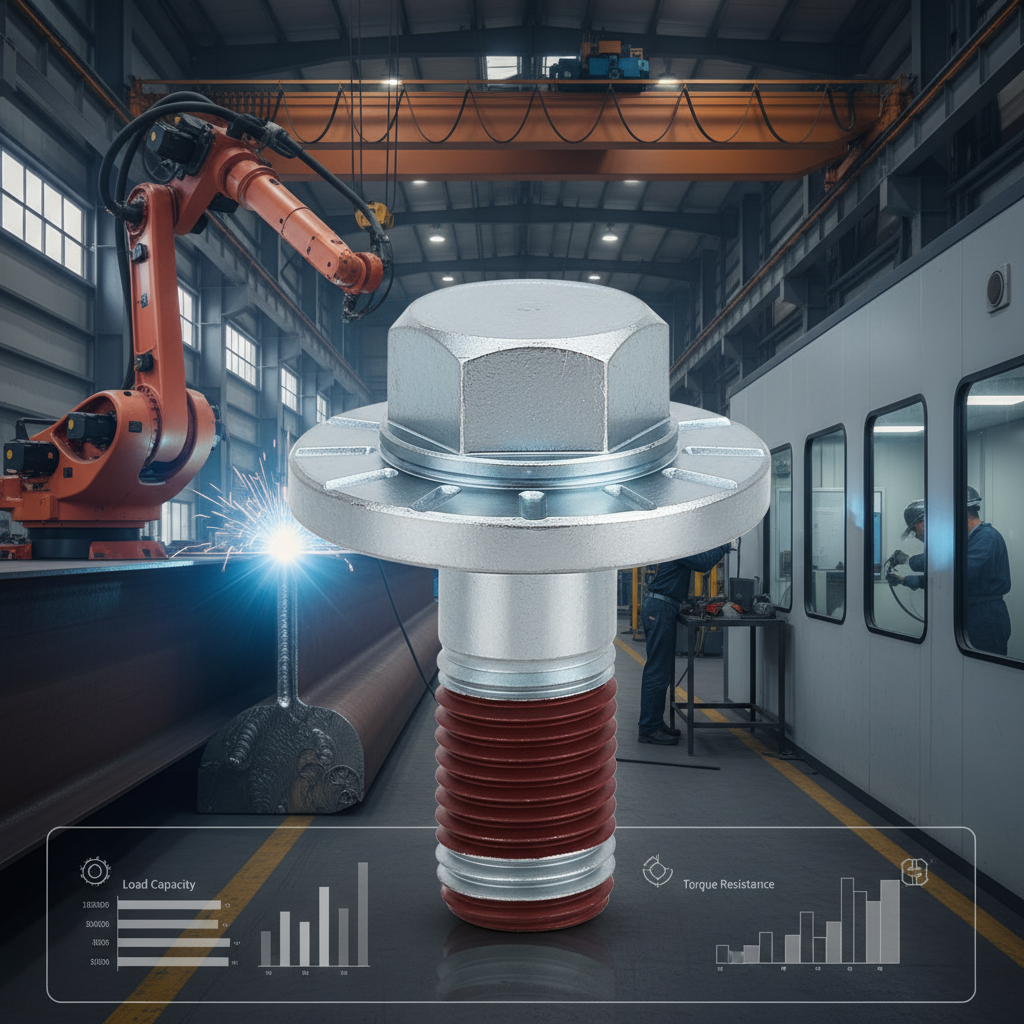
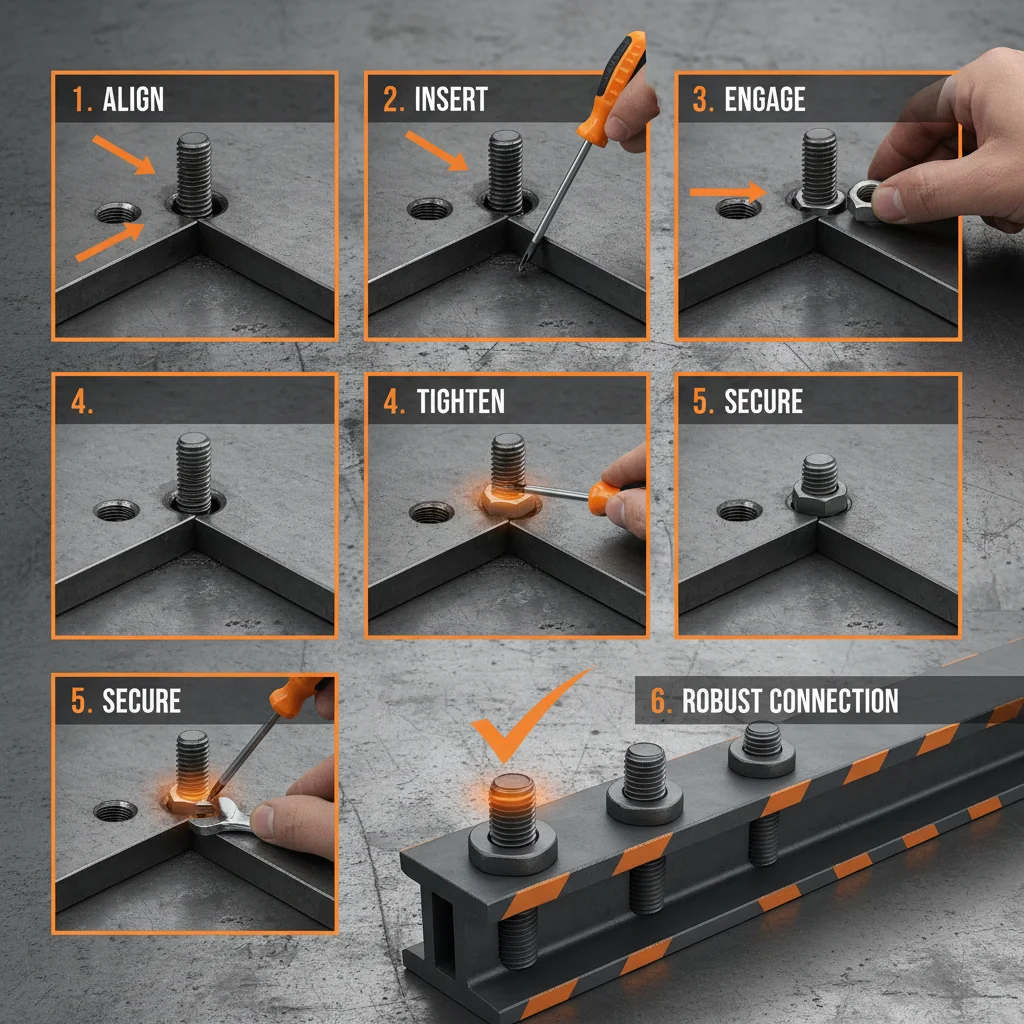
In the complex world of structural metal fabrication, the integrity of a joint often determines the lifespan of the entire assembly. The hex flange bolt stands as a critical innovation in fastening technology, combining the strength of a hexagonal head with an integrated washer-like flange. This dual-purpose design significantly reduces the risk of loosening under vibration and eliminates the need for separate washers, streamlining the assembly process in high-stress industrial environments.
Globally, the demand for high-precision fasteners has surged as infrastructure projects move toward more sustainable and durable materials. From automotive chassis to heavy-duty steel bridges, the adoption of the hex flange bolt has helped engineers address the persistent challenge of "fastener creep" and load distribution. By expanding the bearing surface, these bolts ensure that clamping force is distributed evenly, preventing material deformation in softer metals or composites.
Understanding the technical nuances of these components is not merely an exercise in procurement but a necessity for safety and cost-efficiency. Whether you are dealing with corrosive marine environments or high-temperature industrial furnaces, choosing the right grade and coating for your hex flange bolt can mean the difference between a structure that lasts decades and one that requires constant, costly maintenance.
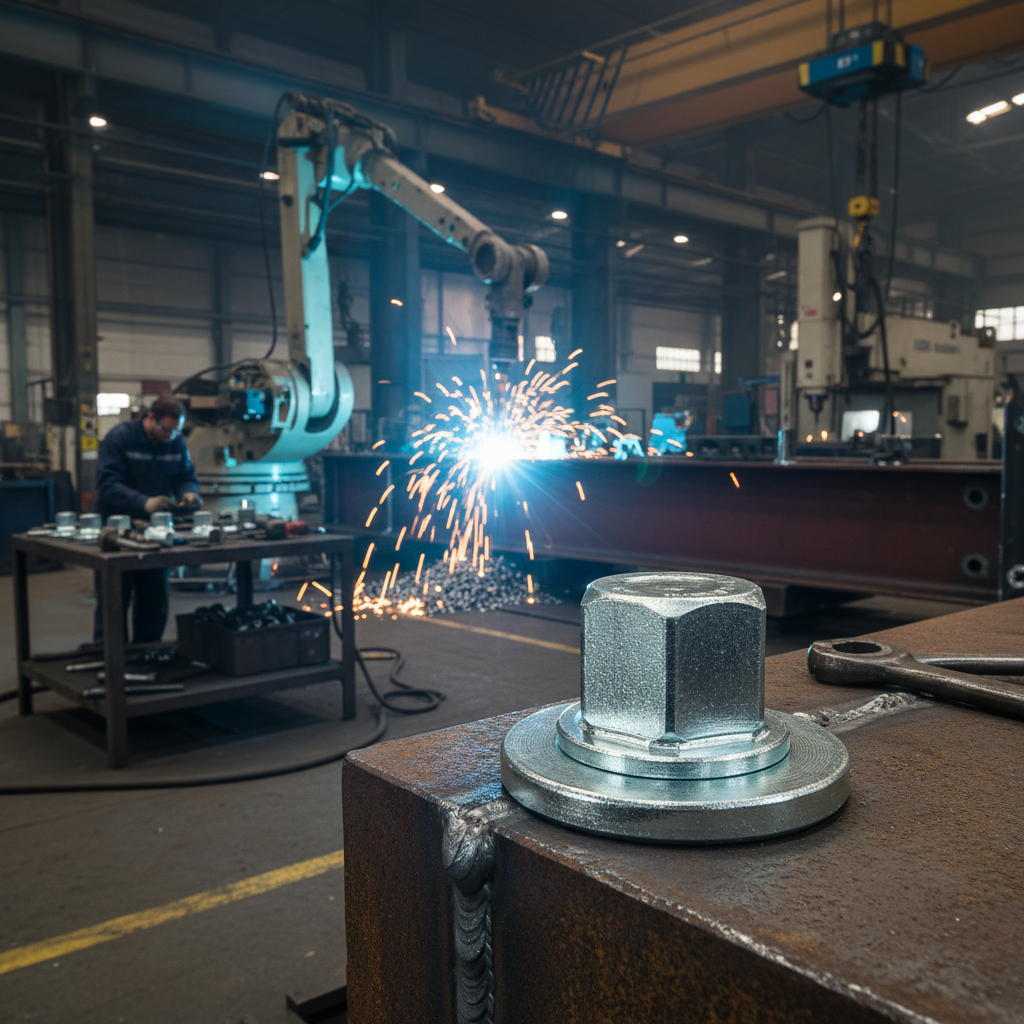
Global Industrial Relevance of Hex Flange Bolts
The global manufacturing landscape is currently undergoing a shift toward "lean assembly," where reducing the number of individual parts leads to higher quality and lower labor costs. The hex flange bolt is a primary example of this evolution. By integrating the washer into the bolt head, manufacturers can reduce their Bill of Materials (BOM) and decrease the likelihood of assembly errors on the production line.
According to ISO standards and industrial benchmarks, the use of integrated flange fasteners in the automotive and aerospace sectors has led to a measurable decrease in joint failure rates. In sectors like structural metal fabrication, where vibration is a constant threat, the increased surface area of the hex flange bolt provides a more stable friction lock, ensuring that critical joints remain secure under dynamic loads.
Technical Definition and Mechanical Principles
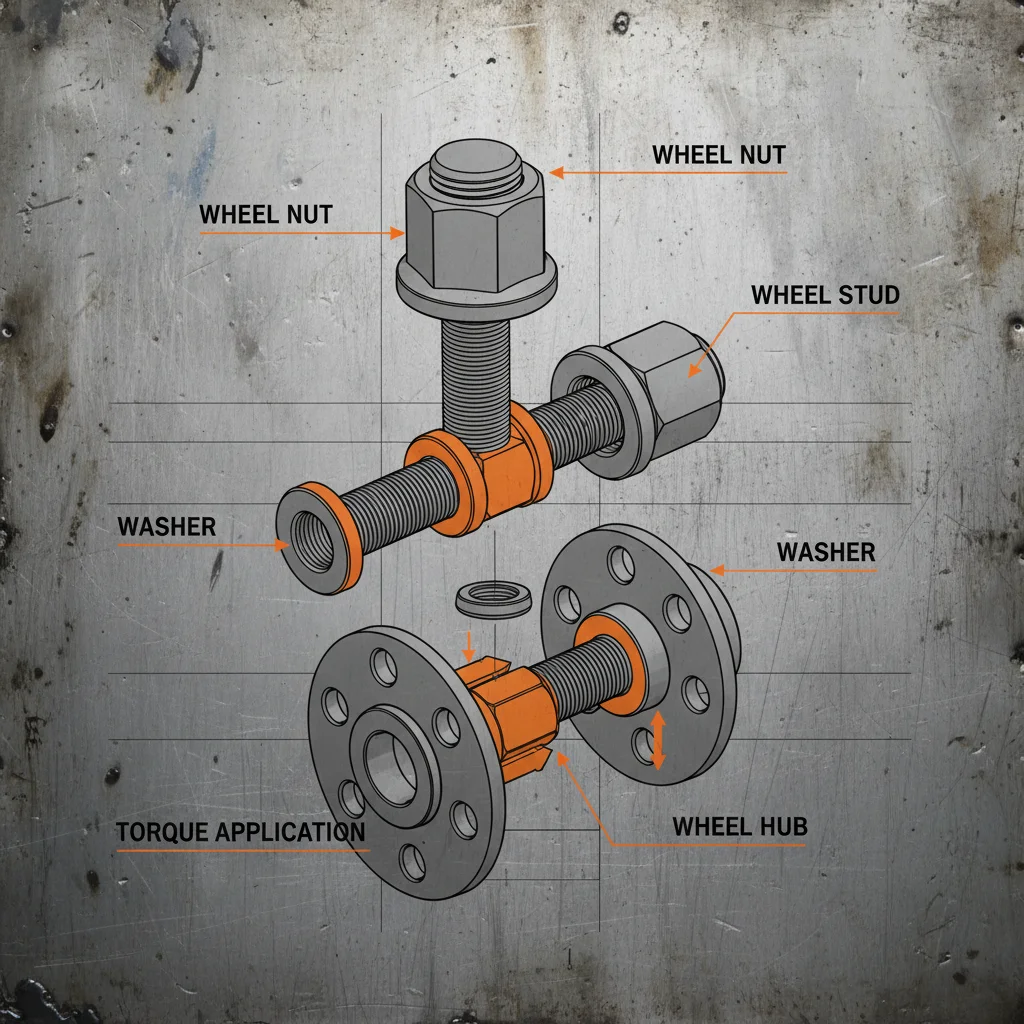
At its core, a hex flange bolt is a threaded fastener characterized by a hexagonal head that transitions into a wide, flat circular base (the flange). This design is specifically engineered to act as an integrated washer, distributing the clamping force over a wider area of the substrate. This mechanical advantage prevents the bolt from "sinking" into the material, which is particularly critical when fastening into softer alloys or plastics.
From a physics perspective, the flange increases the frictional resistance between the fastener head and the joint surface. This inhibits rotation and reduces the tendency of the bolt to loosen due to thermal expansion or mechanical vibration. When combined with a locking nut or an anaerobic adhesive, the hex flange bolt creates a high-torque connection that is far superior to standard hex bolts in high-cycle environments.
Modern manufacturing utilizes cold-heading and precision threading to ensure that the flange is perfectly perpendicular to the bolt axis. This ensures that the load is applied axially, preventing shear stress from developing prematurely in the shank. Consequently, the hex flange bolt has become the gold standard for structural integrity in modular metal constructions.
Core Factors Influencing Performance
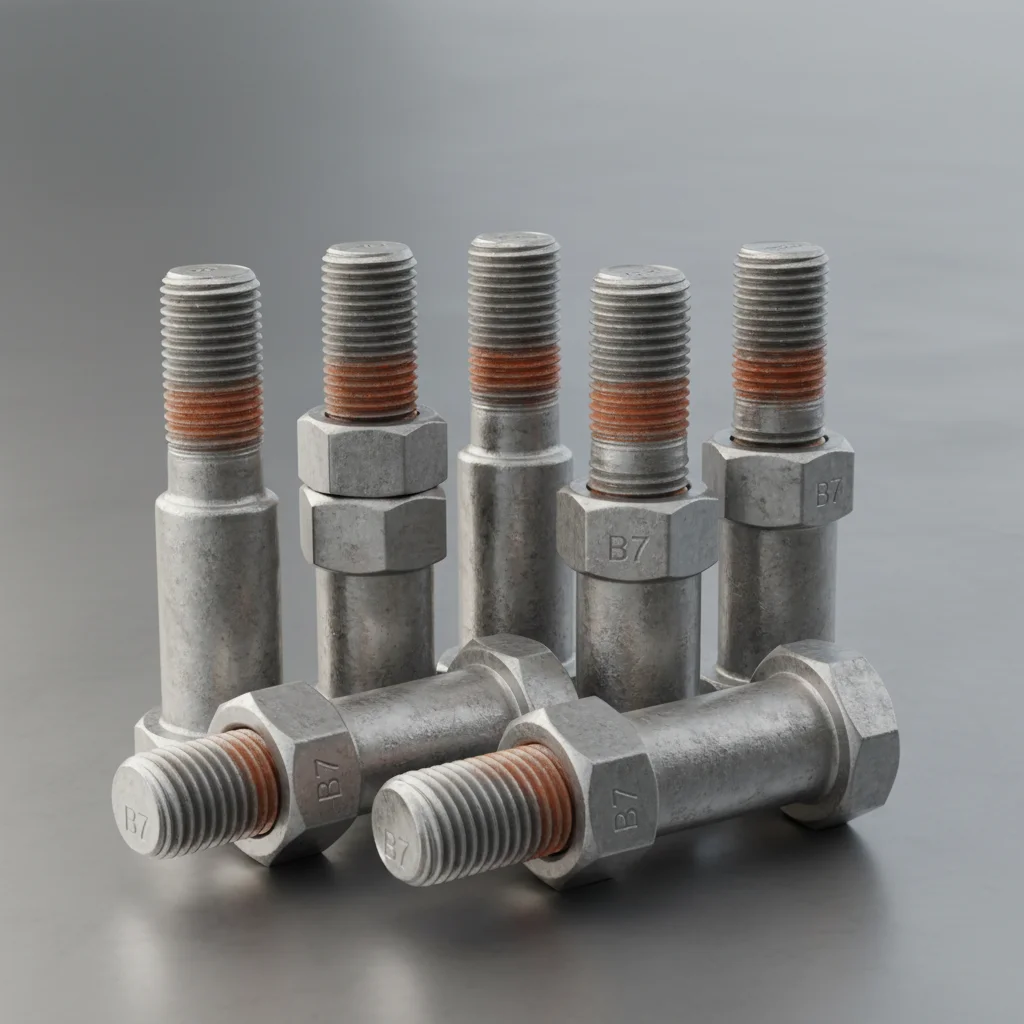
Material grade is the most significant factor affecting the durability of a hex flange bolt. Depending on the application, these bolts may be forged from carbon steel for general construction, stainless steel (such as 304 or 316) for corrosive environments, or alloy steel for high-tensile structural requirements.
The surface treatment or coating of the hex flange bolt determines its resistance to oxidation. Zinc plating, hot-dip galvanizing, and Dacromet coatings are frequently employed to protect the fastener from moisture and salt, which is essential for outdoor structural metal projects where rust can lead to catastrophic joint failure.
Furthermore, the precision of the thread pitch and the flatness of the flange surface directly impact the "preload" of the hex flange bolt. A perfectly flat flange ensures that there are no gaps in the joint, maximizing the clamping force and ensuring that the assembly maintains its tension over thousands of operational hours.
Comparative Efficiency in Structural Applications
When comparing the hex flange bolt to traditional bolt-and-washer combinations, the efficiency gains are evident in both labor time and part reliability. In large-scale metal structures, the elimination of separate washers reduces the assembly time by approximately 15-20% per joint, which aggregates to significant cost savings across a project.
Moreover, the risk of "missing washers"—a common error in manual assembly—is completely removed. This ensures that every single joint in a structure is fastened according to engineering specifications, providing a level of quality control that is nearly impossible to achieve with multi-piece fastening systems.
Performance Rating of Hex Flange Bolt Variations
Global Use Cases and Regional Implementation
In North American automotive assembly lines, the hex flange bolt is ubiquitous in engine mounts and suspension systems. The ability to withstand constant vibration while maintaining a tight seal makes it indispensable for vehicle safety. Similarly, in the European rail industry, these fasteners are used to secure heavy-duty chassis components where failure is not an option.
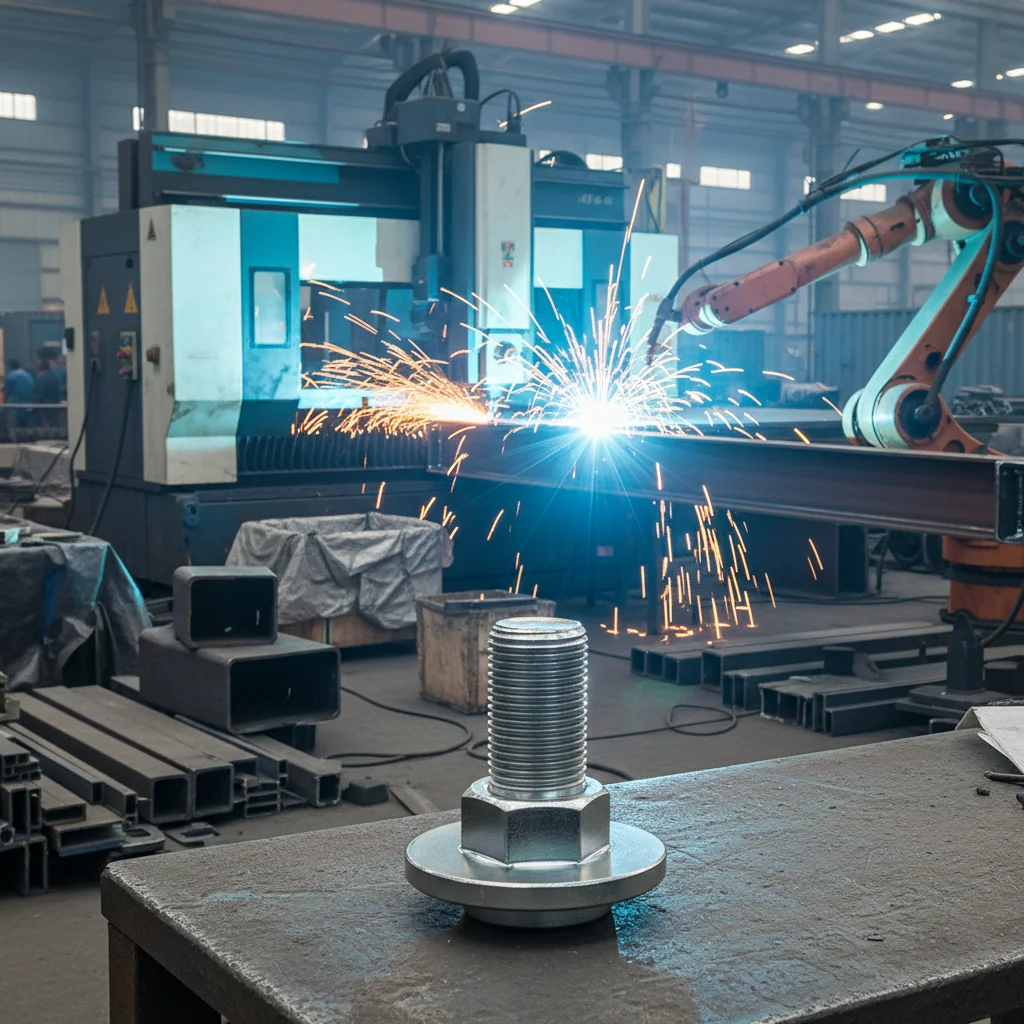
In emerging industrial zones across Southeast Asia, the shift toward prefabricated steel buildings has increased the reliance on the hex flange bolt. By using these fasteners in the primary structural frames, contractors can accelerate the build time of warehouses and factories while ensuring the structural integrity meets international building codes.
Long-Term Value and Sustainability Impact
The long-term value of using a hex flange bolt lies in the reduction of lifecycle maintenance costs. Because the integrated flange prevents the bolt from loosening, the frequency of "re-torquing" schedules is drastically reduced. This is especially valuable in remote industrial zones or offshore platforms where sending a technician to tighten a bolt can cost thousands of dollars.
From a sustainability perspective, the reduction in part count means fewer raw materials are needed for production and fewer components are lost or wasted during installation. The longevity of a high-grade hex flange bolt also reduces the need for premature replacements, lowering the overall carbon footprint of the structure.
Moreover, the trust established by using standardized, high-performance fasteners enhances the reliability of the end product. For the consumer or the city municipality, this translates to safer bridges, more reliable machinery, and a general sense of security in the built environment.
Future Innovations in Fastener Engineering
The future of the hex flange bolt is being shaped by the rise of "Smart Fastening." We are seeing the integration of sensor-embedded bolts that can notify engineers via IoT networks when the tension in a hex flange bolt has dropped below a safe threshold. This transition from reactive to predictive maintenance will redefine structural safety.
Material science is also evolving, with the introduction of nano-coatings that provide unprecedented corrosion resistance without the thickness of traditional galvanizing. These new coatings allow the hex flange bolt to be used in the most extreme environments, such as deep-sea mining rigs or hydrogen fuel cell housings.
Additionally, the push for green energy is driving the demand for lightweight, high-strength fasteners for wind turbine towers. The evolution of the hex flange bolt into ultra-high-strength alloy variants ensures that these massive structures can withstand the immense torque and wind loads of the future.
Analysis of Hex Flange Bolt Material and Application Suitability
| Material Grade |
Corrosion Resistance |
Tensile Strength |
Primary Application |
| Carbon Steel (8.8) |
Moderate (with Zinc) |
Medium |
General Machinery |
| Stainless 304 |
High |
Low to Medium |
Food Processing |
| Stainless 316 |
Very High |
Low to Medium |
Marine Environments |
| Alloy Steel (10.9) |
Moderate |
High |
Heavy Equipment |
| Alloy Steel (12.9) |
Low (needs coating) |
Ultra-High |
Aerospace/Engine |
| Titanium Alloy |
Extreme |
High |
Medical/Racing |
FAQS
The main advantage is the integrated flange, which acts as a built-in washer. This increases the bearing surface area, distributing the load more evenly across the joint. It prevents the bolt from pulling through the material and significantly reduces the need for separate washers, which speeds up assembly and prevents part loss.
Yes, the hex flange bolt is specifically designed to be used without an additional washer. The flange provides the necessary load distribution and friction lock. Adding another washer can sometimes actually reduce the effectiveness of the flange's specialized surface contact with the workpiece.
For outdoor settings, Stainless Steel 304 or 316 is ideal for maximum corrosion resistance. If high strength is required, hot-dip galvanized carbon steel or bolts with a Dacromet coating are recommended to prevent rust while maintaining structural load-bearing capacities.
Torque depends on the bolt's diameter, material grade (e.g., 8.8 vs 12.9), and the lubricant or coating used. You should always refer to the manufacturer's torque chart or ISO/SAE standards. Over-tightening can strip the threads, while under-tightening may lead to joint loosening under vibration.
Absolutely. The increased surface area of the flange creates a more secure friction lock compared to standard bolts. When paired with a locking nut or thread-locking compound, the hex flange bolt is one of the most reliable options for mitigating the effects of mechanical vibration.
To import in bulk, ensure your supplier complies with ISO or DIN standards. Request material certificates (MTRs) to verify the steel grade and coating thickness. Partnering with a specialized fastener manufacturer ensures consistent quality and competitive pricing for large-scale structural projects.
Conclusion
The hex flange bolt is far more than a simple piece of hardware; it is a precision-engineered solution to some of the most persistent problems in structural metal fabrication. By integrating the washer into the bolt head, it optimizes assembly time, enhances load distribution, and significantly increases the safety of joints subjected to extreme vibration and stress. From the selection of high-grade alloys to the application of advanced anti-corrosive coatings, every detail of this fastener contributes to the long-term stability and sustainability of modern infrastructure.
As we move toward a future of smart cities and sustainable manufacturing, the role of high-performance fasteners will only grow. Investing in quality hex flange bolt components today ensures that your projects are not only compliant with current safety standards but are also prepared for the demands of tomorrow's industrial challenges. For professional-grade fastening solutions that guarantee reliability and precision, visit our website: www.yfnfasteners.com.