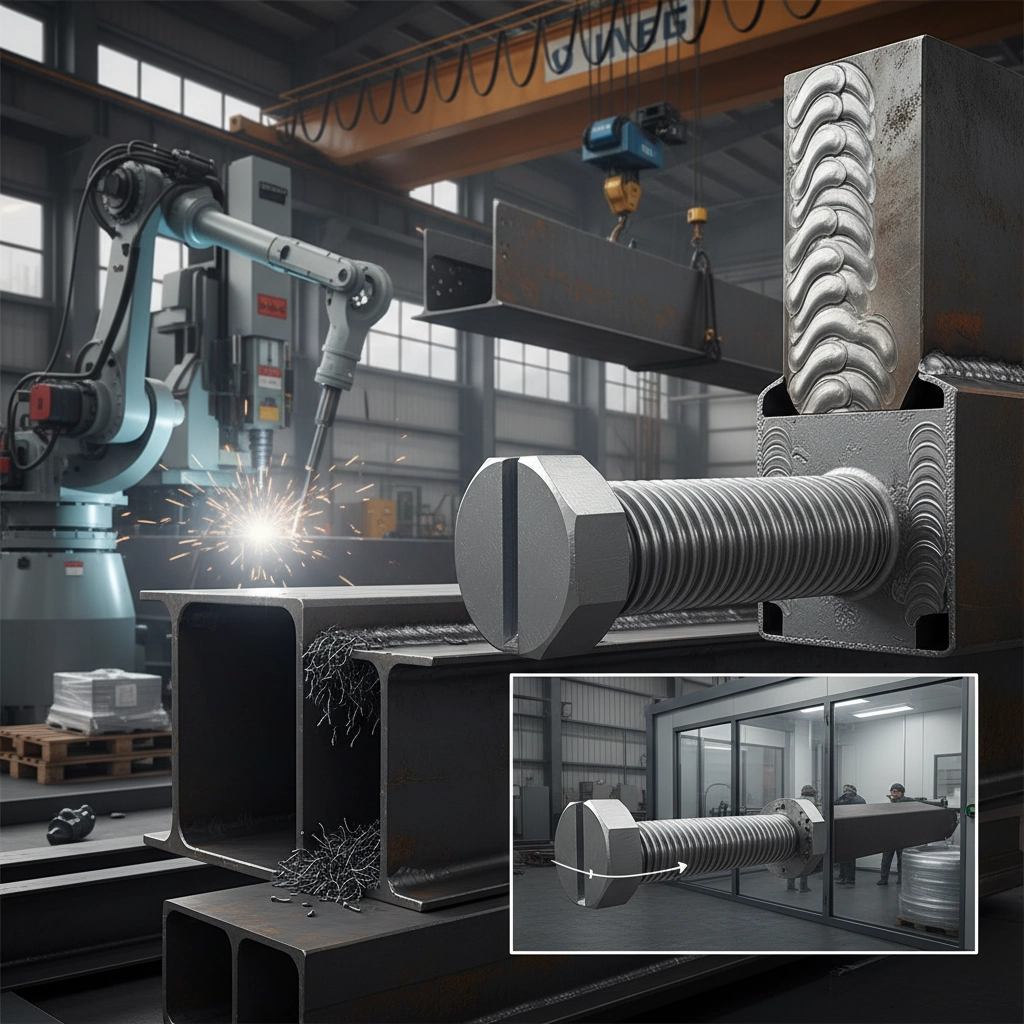
In the demanding world of structural engineering and heavy machinery, the ability to maintain a constant load on a joint despite thermal expansion or vibration is a critical safety requirement. This is where the specialized engineering of a belleville washer becomes indispensable, acting as a heavy-duty spring element that ensures bolted connections remain secure under extreme stress. By providing a controlled amount of tension, these conical washers prevent the loosening of fasteners in environments where traditional flat washers would simply fail.
Globally, the adoption of high-precision spring washers has seen a significant rise as industrial standards move toward zero-tolerance for structural failure. From the automotive sector to large-scale bridge construction, the integration of these components reduces maintenance cycles and extends the lifespan of critical infrastructure. The ability to stack these washers in series or parallel allows engineers to customize the spring rate, making them a versatile tool for solving complex mechanical challenges.
Understanding the synergy between high-tensile fasteners, such as DIN 976 stud bolts, and the tension-maintaining properties of a belleville washer is essential for any procurement manager or engineer. While the stud bolt provides the raw structural integrity and length flexibility, the spring washer provides the dynamic resilience required to keep those bolts tightened against the fluctuating forces of industrial operation.

The Industrial Significance of Belleville Washers
The belleville washer, also known as a conical spring washer, represents a leap in fastening technology by combining the functions of a washer and a spring into a single, compact component. In industrial settings where equipment is subject to intense thermal cycling, metals expand and contract, which often leads to the loss of clamping force in traditional bolted joints. These specialized washers compensate for this movement, ensuring that the joint remains under constant pressure.
By absorbing axial movement, they prevent the "backing out" of fasteners, which is a leading cause of mechanical failure in automotive chassis and heavy-duty construction. When paired with high-performance components like DIN 976 fully threaded studs, they create a fastening system capable of withstanding the most rigorous load-bearing requirements across the globe.
Mechanical Principles and Load Distribution
The core mechanism of a belleville washer relies on its conical shape, which allows it to act as a spring when compressed. Unlike flat washers that simply distribute the load over a wider area, the conical design stores elastic energy. As the bolt is tightened, the washer flattens, creating a high-tension force that pushes back against the fastener, effectively locking it in place.
This load distribution is critical in applications involving vibration. In a standard joint, vibration can cause microscopic shifts that gradually reduce the torque. However, the spring-like nature of these washers maintains a constant preload, meaning the joint stays tight even when subjected to the constant shaking of an industrial compressor or a vehicle engine.
Furthermore, the ability to stack these washers allows for precise tuning of the spring rate. Stacking them in parallel increases the load capacity while maintaining the same deflection, whereas stacking them in series increases the deflection range. This flexibility allows engineers to tailor the fastening solution to the specific thermal and mechanical needs of the project.
Material Selection for Harsh Environments
Choosing the right material for a belleville washer is just as important as its dimensions. Depending on the environment, carbon steel or stainless steel is selected to balance tensile strength and corrosion resistance. For most industrial applications, high-tensile carbon steel provides the necessary force, but it requires protective coatings to survive outdoor exposure.
In highly corrosive environments, such as offshore oil rigs or chemical processing plants, stainless steel variants like A2-70 or A4-80 are preferred. When a belleville washer is manufactured from these grades, it resists oxidation and chemical attack, ensuring that the spring tension is not compromised by rust or material degradation over time.
To further enhance durability, surface finishes such as Hot-Dip Galvanized (HDG), Dacromet, or Teflon are applied. These coatings provide an extra layer of defense against salt spray and atmospheric moisture, ensuring that the interaction between the washer and the stud bolt remains smooth and free from galling.
Performance Comparison of Spring Configurations
The efficiency of a fastening system depends heavily on how the spring elements are configured. By analyzing different stacking methods, engineers can determine whether a system needs more "give" to handle thermal expansion or more "force" to prevent movement under extreme loads. This optimization is key to reducing the frequency of manual retightening.
Comparing the performance of various configurations reveals that tailored setups significantly outperform generic fastening methods. The following data illustrates the relative effectiveness of different belleville washer arrangements across key performance metrics.
Belleville Washer Configuration Performance Analysis
Global Applications in Heavy Machinery
In the realm of large-scale infrastructure, such as wind turbine towers and high-speed rail bridges, the belleville washer is a silent guardian of safety. These structures are exposed to constant wind oscillation and temperature swings that can cause standard bolts to lose their tension. By incorporating spring washers, engineers can ensure that the structural integrity of the connection is maintained without requiring monthly manual inspections.
Furthermore, in the automotive and aerospace industries, these components are used in clutch assemblies and engine mounts. The ability to maintain a precise clamp load in a very small footprint makes them ideal for high-performance engines where space is limited but the forces are extreme. This global reliance underscores the importance of using certified materials that meet international standards.
Long-Term Value and Maintenance Reduction
The primary economic driver for implementing high-quality spring washers is the drastic reduction in long-term maintenance costs. Traditional fastening systems often require "re-torquing" after a set period of operation, a process that is both labor-intensive and risky if not performed perfectly. By utilizing a belleville washer, the system becomes self-compensating, significantly extending the intervals between required maintenance.
Beyond the labor costs, the prevention of fastener failure avoids catastrophic downtime. In a production plant, a single loosened bolt in a critical conveyor or turbine can lead to hours of lost revenue and expensive emergency repairs. The reliability provided by these components transforms the maintenance strategy from reactive to proactive.
Ultimately, the investment in premium materials—such as combining A4-80 stainless steel washers with HDG-coated studs—pays for itself through increased equipment uptime and enhanced safety. The peace of mind knowing that critical load-bearing joints are secure under all conditions is an invaluable asset for any industrial operator.
Future Innovations in Tension Fastening
As we move toward Industry 4.0, the integration of "smart fasteners" is becoming a reality. Future iterations of the belleville washer may include sensor-integrated materials that can alert operators when the spring tension has dropped below a certain threshold. This would allow for predictive maintenance, where bolts are only tightened when the data indicates a genuine loss of preload.
Moreover, the development of new super-alloys and composite materials is pushing the boundaries of how much force a conical washer can exert. We are seeing a shift toward materials that offer higher elasticity and zero corrosion, eliminating the need for surface platings and reducing the environmental impact of the manufacturing process.
Sustainability is also playing a larger role, with a focus on reducing material waste during the stamping process. By optimizing the design of the washer for maximum strength with minimum weight, manufacturers are helping to reduce the overall carbon footprint of heavy industrial assemblies.
Comparison of Fastening Solutions for Industrial Tension
| Fastening Method |
Tension Stability |
Maintenance Need |
Reliability Score |
| Flat Washer Only |
Low |
High/Frequent |
4/10 |
| Standard Spring Washer |
Medium |
Moderate |
6/10 |
| Single Belleville Washer |
High |
Low |
8/10 |
| Parallel Stacked Belleville |
Very High |
Very Low |
9/10 |
| Series Stacked Belleville |
High (Flexible) |
Low |
8/10 |
| Smart Tension System |
Maximum |
Predictive |
10/10 |
FAQS
The main advantage is the significantly higher load capacity and the ability to maintain a more consistent tension over a larger range of compression. While standard split-lock washers provide some resistance, a belleville washer is engineered specifically as a heavy-duty spring, making it far more effective for critical industrial joints subject to high vibration and thermal expansion.
Yes, stacking is a common practice. When stacked in parallel (facing opposite directions), the load capacity increases while the deflection remains the same. When stacked in series (facing the same direction), the deflection range increases while the load remains constant. This allows engineers to customize the spring rate to the specific needs of their machinery.
For marine or saltwater environments, we strongly recommend using A4-80 stainless steel. This grade provides the necessary corrosion resistance to prevent rust and pitting, ensuring that the washer retains its spring properties and does not seize against the bolt or the mounting surface over time.
To prevent rotation, it is recommended to use a corresponding flat washer on both sides of the belleville washer. This stabilizes the component and ensures that the compression force is applied evenly across the surface of the joint, preventing the spring washer from shifting during the tightening process.
Absolutely. In fact, they are often used together. The DIN 976 fully threaded stud provides the structural length and high tensile strength, while the belleville washer ensures that the nuts tightened onto the stud maintain their clamping force despite environmental fluctuations.
Yes, torque settings are critical. Because they act as springs, over-tightening can lead to "permanent set," where the washer loses its elasticity and becomes a flat washer. It is essential to follow the manufacturer's load-deflection charts to ensure the washer is compressed within its elastic limit.
Conclusion
In summary, the belleville washer is more than just a simple accessory; it is a precision-engineered component that solves the fundamental problem of tension loss in industrial fastening. By providing a dynamic response to thermal expansion and vibration, it ensures that high-tensile joints—especially those utilizing DIN 976 studs—remain secure and reliable. From material selection in stainless steel to the strategic stacking of configurations, these washers offer a scalable solution to enhance the safety and longevity of heavy machinery globally.
Looking forward, the move toward smarter materials and more sustainable manufacturing will only increase the value of these components in the green energy and aerospace sectors. For engineers and procurement specialists, prioritizing high-quality, certified spring washers is the most effective way to reduce maintenance overhead and mitigate the risk of structural failure. To secure your next project with the highest industrial standards, visit our website: www.yfnfasteners.com.