
English
HANDAN HAOSHENG FASTENER CO., LTD.

Premium Industrial Fastening Solutions with galvanised threaded rod in Australia

Engineering high-strength structural integrity for Oceania's most demanding metal fabrication and infrastructure projects.

Premium Industrial Fastening Solutions with galvanised threaded rod in Australia

Providing a comprehensive range of high-grade structural fasteners tailored for the Australian metal construction sector, ensuring durability against coastal corrosion and extreme weather.

The State of Structural Metal Fabrication in Australia

Analyzing the demand for high-performance fasteners in the Oceania region.

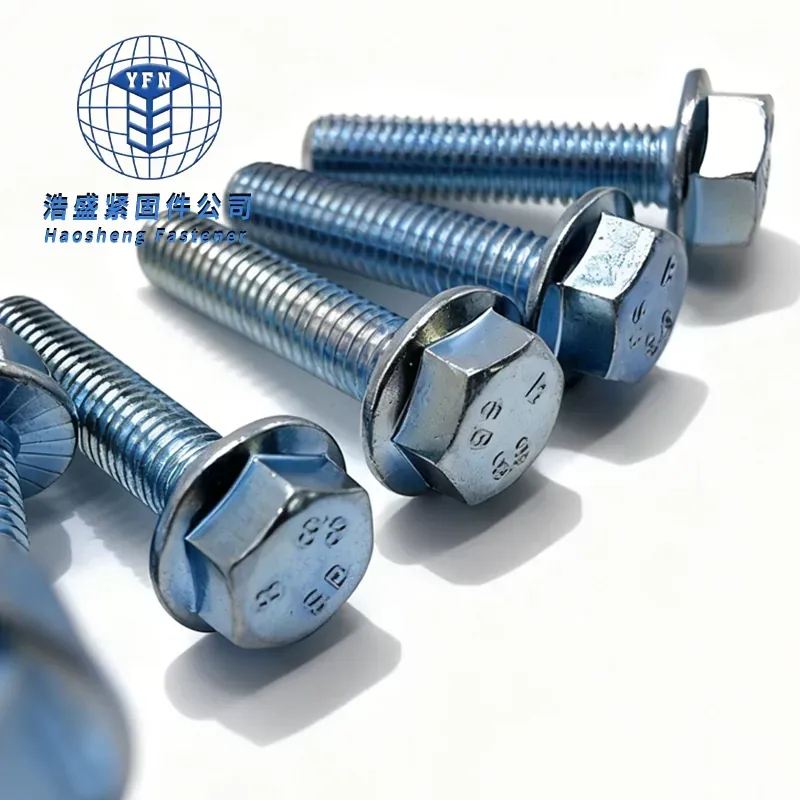
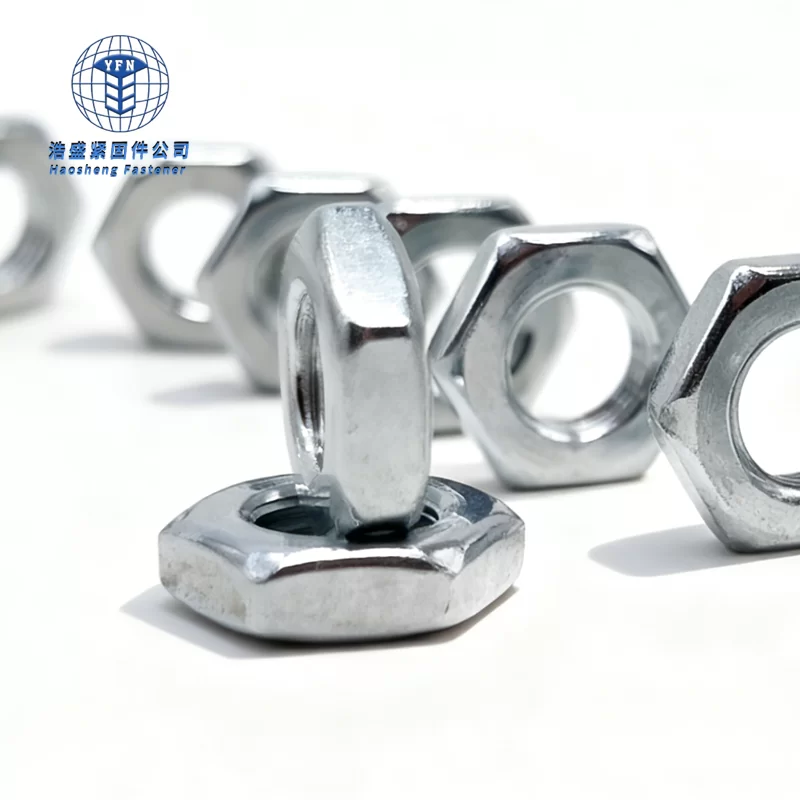
Australia's structural metal industry is heavily influenced by its unique geography. The prevalence of coastal infrastructure requires materials with superior corrosion resistance. This has led to a dominant reliance on hot-dip galvanised components, specifically the hex bolt, to prevent oxidation in salty air environments.

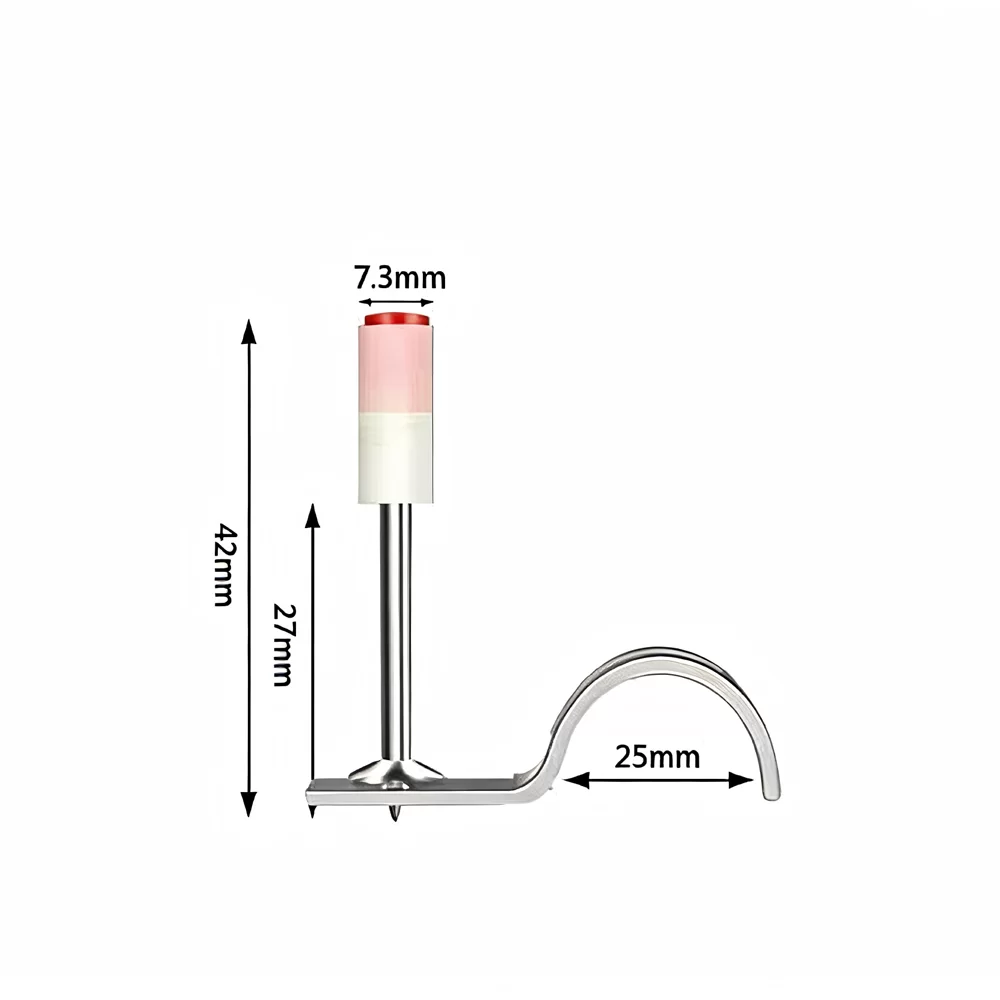
Economic shifts towards large-scale mining and sustainable urban development in cities like Sydney and Melbourne have increased the demand for heavy-duty metal frame anchor systems. These are essential for securing massive steel frames into concrete foundations under strict Australian Standards (AS/NZS).

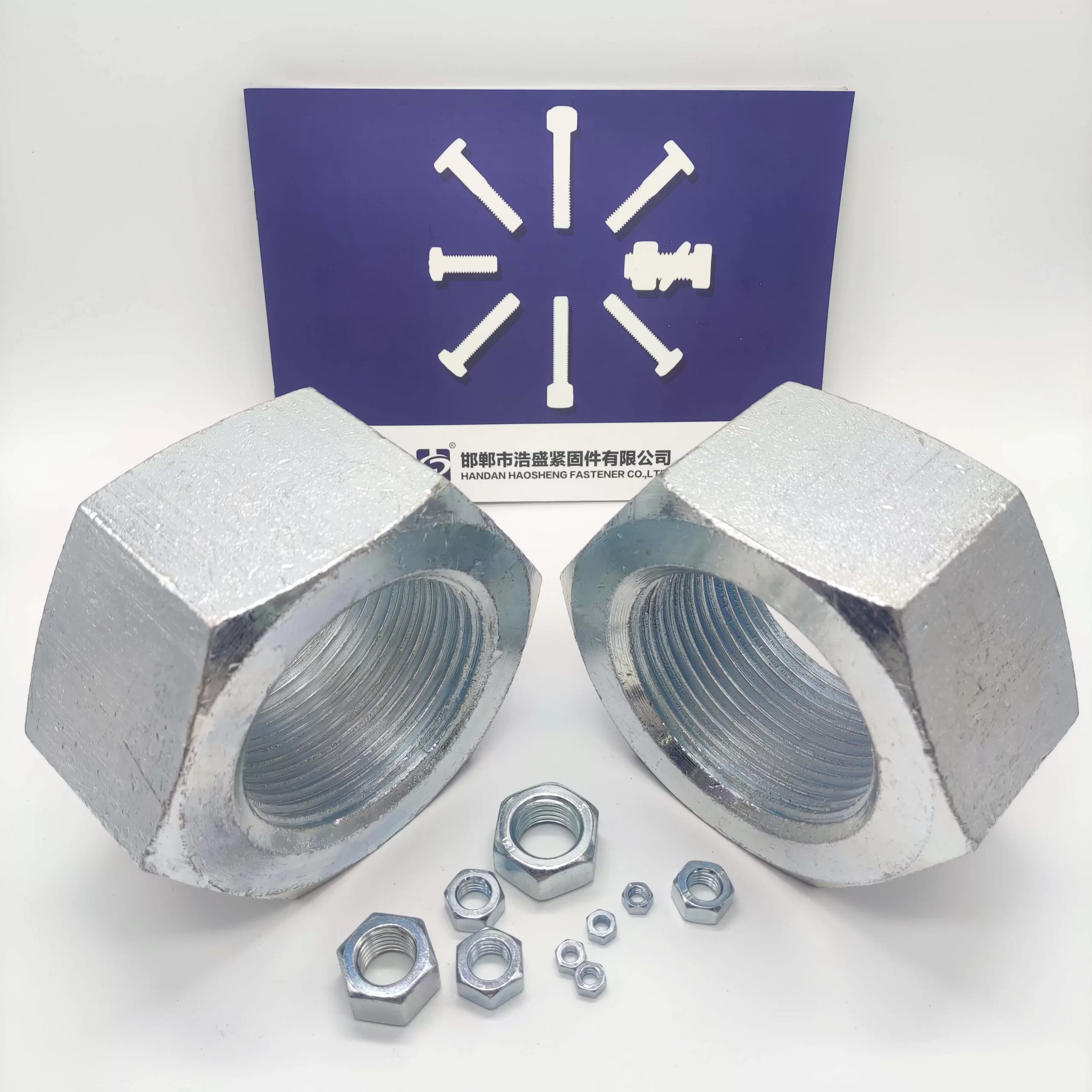
Furthermore, the logistics and transport sector across the Outback necessitates high-vibration resistant fasteners. The precision of a high-torque wheel nut is critical for the heavy machinery and haulage trucks that keep the nation's resource economy moving.
Evolution of Australian Metal Fastening Technology

From basic ironworks to precision-engineered structural components.

Market Development History

In the early 20th century, Australian metal construction relied on basic forged fasteners. However, by the 1960s, the transition to standardized machine screws allowed for interchangeable parts and faster assembly in industrial warehouses.

During the 1980s and 90s, the introduction of advanced galvanization techniques revolutionized the industry. This period saw the galvanised threaded rod become a staple for HVAC and electrical piping supports, offering a lifespan that could withstand the harsh Australian interior.

Entering the 21st century, the focus shifted toward high-tensile strength and seismic resilience. The adoption of Grade 8.8 and 10.9 bolts ensured that structural frames could withstand the geological shifts and extreme wind loads found in the Oceania region.

Future Development Trends

Smart Fastening Integration

The shift towards "Industry 4.0" in Australia suggests the integration of sensors within structural anchors to monitor tension and stress in real-time.

Eco-Friendly Coatings

Moving beyond traditional zinc, there is a growing trend toward sustainable, non-toxic anti-corrosion coatings to meet stricter environmental regulations.

Automated Precision Assembly

Robotic installation of fasteners is expected to reduce labor costs and increase the precision of torque application in large-scale steel projects.

Industry Outlook and Strategic Projections

Future-proofing structural integrity through material innovation.

Corrosion Resistance 2.0
Advancing from standard galvanization to multi-layer duplex coatings for extreme saline environments.
High-Tensile Standardization
Standardizing ultra-high-strength alloy fasteners to reduce the overall weight of steel structures.
Digital Inventory Sync
Implementing BIM-integrated fastener procurement to eliminate waste in large Australian construction sites.
Seismic-Grade Anchoring
Development of energy-absorbing anchors to enhance safety in regional structural frames.

Industry Outlook

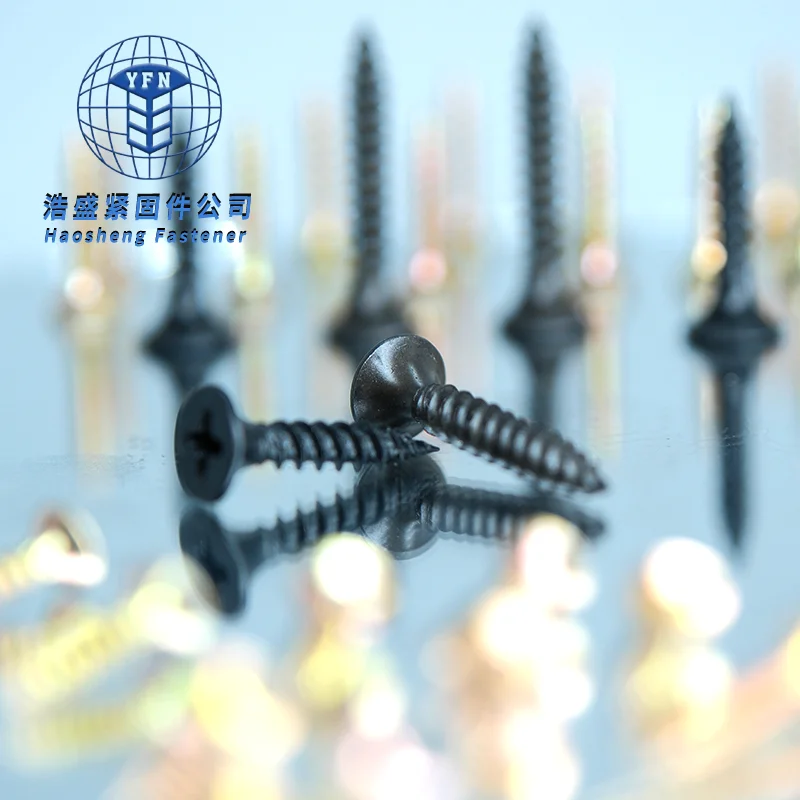
Looking forward, the Australian market is moving towards a "Life Cycle Assessment" model. This means fasteners are no longer judged solely by initial cost but by their maintenance-free lifespan. The demand for precision-engineered machine screws that minimize fatigue failure will surge.

As Australia invests in renewable energy infrastructure, such as massive solar farms and wind turbines, the need for specialized galvanised components to resist environmental degradation will become the primary driver of market growth over the next 5 years.

Localized Application Scenarios in Australia

Practical implementations of structural fastening across different Australian industries.

01. Coastal Bridge Infrastructure

Utilizing high-grade hex bolt assemblies with hot-dip galvanization to secure steel girders in saltwater-exposed environments along the East Coast.

02. Mining Equipment Maintenance

Application of heavy-duty wheel nut components for massive haul trucks in the Pilbara region, ensuring safety under extreme load and vibration.

03. Commercial Steel Warehouse Framing

Implementing metal frame anchor systems to secure portal frames to reinforced concrete slabs in industrial hubs like Western Sydney.

04. High-Rise HVAC Support Systems

Installation of galvanised threaded rod for suspending heavy air conditioning ducts in Melbourne's CBD skyscrapers.

05. Precision Machinery Assembly

Use of high-tolerance machine screws in the assembly of agricultural machinery used across the Wheat Belt for maximum durability.

Brand Story

Global Development Journey of Handan Haosheng Fasteners Co., Ltd.

Foundational Precision

Started with a commitment to eliminate the common failure of structural fasteners in heavy industry, focusing on metallurgical purity.

Technological Expansion

Invested in advanced cold-heading and heat-treatment lines to meet international ASTM and DIN standards for global export.

Entering the Oceania Market

Adapted product lines to satisfy the rigorous AS/NZS standards, specifically optimizing galvanization for the Australian climate.

Quality Certification Era

Achieved ISO certifications and implemented strict QC protocols to ensure zero-defect shipments for critical infrastructure projects.

Global Strategic Partner

Now serving as a trusted OEM partner for top-tier construction firms worldwide, solving complex fastening pain points.

Complete Fastening Portfolio for Australia

A one-stop supply chain for all structural metal fabrication needs in Oceania.

Australian Structural Fasteners FAQ

Technical answers for engineers and procurement specialists.

Which coating is best for a galvanised threaded rod in coastal Queensland?

For high-salinity areas, we recommend Hot-Dip Galvanizing (HDG) over electro-galvanizing, as it provides a thicker zinc layer that offers superior long-term cathodic protection.

How do I select the correct hex bolt grade for heavy structural frames?

For most structural applications in Australia, Grade 8.8 is the standard, but for high-tension critical joints, Grade 10.9 is required to ensure safety and fatigue resistance.

What are the load-bearing considerations for a metal frame anchor in concrete?

Load capacity depends on the concrete grade and embedment depth. We recommend following AS 5216 standards to calculate the shear and tension limits for each anchor type.

Can machine screws be used in outdoor structural applications?

Only if they are treated with appropriate anti-corrosive coatings. For structural outdoor use, stainless steel or hot-dip galvanised machine screws are mandatory to prevent rust.

What is the torque specification for a high-strength wheel nut in mining?

Torque specifications vary by vehicle and wheel size; however, using a calibrated torque wrench to meet the manufacturer's exact Nm rating is critical to prevent loosening during haulage.

Are your fasteners compliant with Australian Standards (AS/NZS)?

Yes, our production processes are aligned with international standards that overlap with AS/NZS requirements, ensuring compatibility and safety for the Oceania market.

Secure Your Infrastructure Today

Get expert consultation on structural fastening solutions tailored for the industrial landscape of Australia.

Contact Us Now

If you are interested in our products, you can choose to leave your information here, and we will be in touch with you shortly.