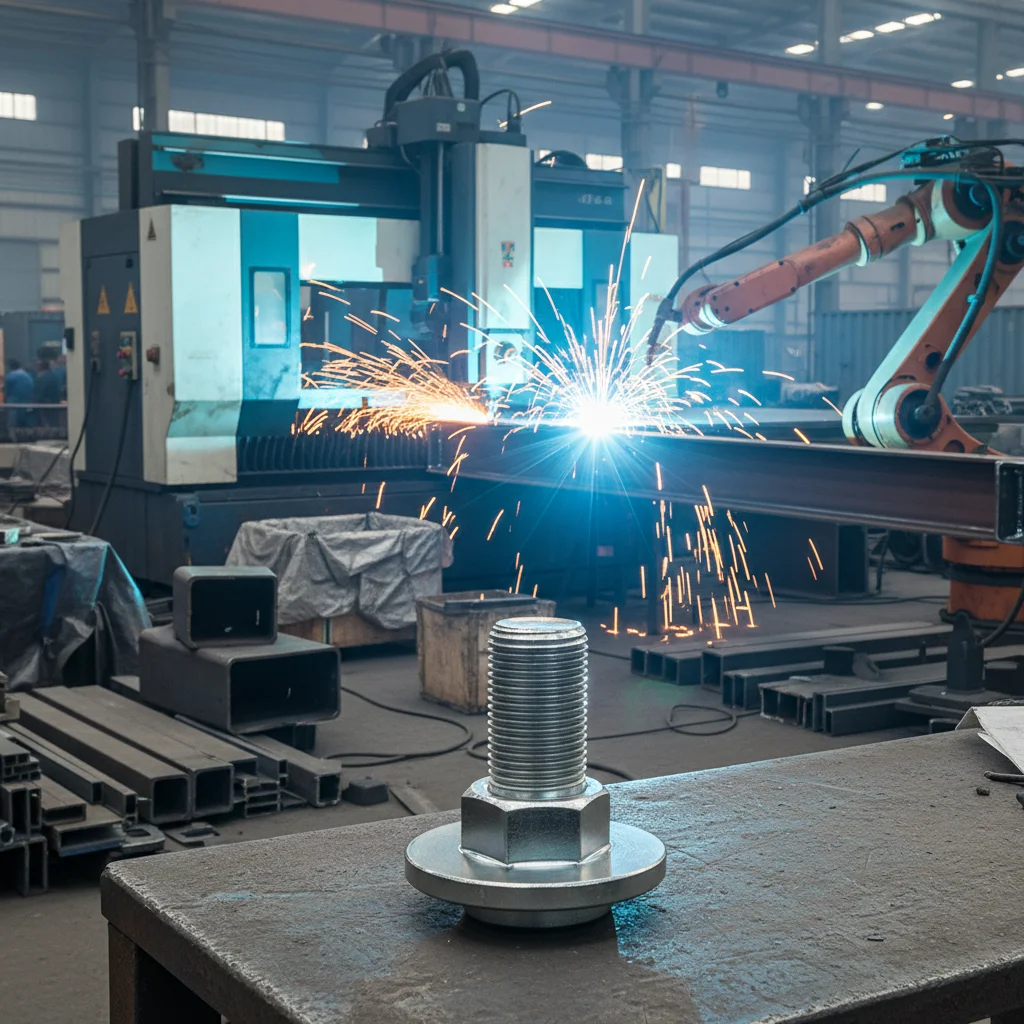
In the modern construction landscape, the demand for efficiency and structural integrity has led to the evolution of specialized fastening solutions. Among these, the masonry tapping screw has emerged as a critical component for securing window and door frames directly into hard substrates. By integrating the drilling and fastening processes into a single step, these engineered fasteners are redefining how professionals approach masonry installation globally.
The shift toward self-tapping technology addresses a long-standing challenge in the building industry: the reliance on cumbersome plastic anchors that often fail to provide a tension-free fit. High-performance frame screws utilize advanced thread geometry to cut directly into concrete, brick, and hollow blocks, eliminating the need for secondary inserts. This innovation not only accelerates project timelines but also significantly reduces the labor costs associated with traditional fastening methods.
Whether utilized in residential PVC window installations or large-scale commercial aluminum curtain walls, the precision of a professional-grade tapping screw ensures a rock-solid connection. By adhering to rigorous German (DIN) engineering principles and being validated by institutes like ift Rosenheim, these fasteners provide the reliability required for safety-critical applications, including fire-rated assemblies and high-load structural frames.

Engineering Principles of Masonry Fastening
The core engineering behind the professional-grade tapping screw lies in its self-tapping thread design. Unlike standard screws, these are specifically engineered to penetrate masonry substrates such as concrete and solid brick without the need for a separate anchor. This process involves a precise thread geometry that cuts into the material, creating a high-friction interface that provides immediate holding power.
By utilizing German (DIN) engineering principles, these fasteners achieve a balance between hardness and ductility. This ensures that the screw can cut through hard masonry without snapping, while maintaining enough flexibility to handle structural vibrations. The result is a fastening system that simplifies the installation workflow from a three-step process (drill, plug, screw) to a streamlined two-step operation (drill, screw).
Material Selection and Structural Integrity
To ensure maximum structural integrity, material selection is paramount. Our fasteners are manufactured from premium Carbon Steel (1022A) and 410 Stainless Steel, providing the necessary strength levels to support heavy window and door frames. These materials are chosen for their ability to withstand high torque during installation and resist shearing forces once embedded in the substrate.
The use of 410 Stainless Steel is particularly beneficial for environments where moisture is a concern, offering a blend of high strength and natural corrosion resistance. Meanwhile, the 1022A Carbon Steel variant provides a cost-effective, high-strength alternative for indoor applications where structural rigidity is the primary requirement.
Every batch of these components undergoes rigorous quality testing against European standards. This ensures that the clamping force remains consistent across all units, preventing failures in the field and ensuring that the connection between the frame and the wall remains rock-solid for the duration of the building's lifecycle.
Tension-Free Fixing and Frame Preservation
One of the most significant advantages of using a specialized tapping screw in frame installation is the concept of tension-free fixing. Traditional expansion anchors work by creating outward pressure against the walls of the pilot hole, which can inadvertently exert internal pressure on the window or door frame.
This internal pressure often leads to frame distortion, which can compromise the airtight seal and thermal efficiency of PVC, timber, or aluminum installations. By eliminating the expansion mechanism, the self-tapping design ensures that the frame remains perfectly square, preventing the common issue of warping and ensuring a professional, long-term fit.
Furthermore, this tension-free approach makes the installation process far more forgiving and precise. When the tapping screw is driven into the substrate, it secures the frame without compressing it, which is essential for high-end architectural projects where tolerances are extremely tight.
Efficiency Analysis: Tapping vs Traditional Anchors
When evaluating the investment return on fastening hardware, labor cost is the most influential variable. Traditional anchor systems require a technician to drill a hole, manually insert a plastic plug, and then drive the screw. This repetitive cycle consumes significant time across a large-scale project with hundreds of windows.
In contrast, the application of a tapping screw allows the installer to proceed directly from drilling to fastening. This "Drill → Screw" workflow not only increases installation speed but also reduces the risk of material waste associated with lost or incorrectly seated plastic anchors.
Performance Comparison: Masonry Fastening Methods
Corrosion Protection and Environmental Durability
Durability in the construction industry is measured by a fastener's ability to resist oxidation over decades. Our frame-specific tapping screw options include a variety of high-grade surface finishes such as Yellow Zinc (YZP), Blue Passivated, and Ruspert coatings. These treatments are designed to provide a robust barrier against moisture and chemicals found in masonry substrates.
Ruspert coatings, in particular, are engineered for extreme corrosion resistance, making them ideal for outdoor facade systems and coastal environments. This ensures that the structural integrity of the window frame attachment is not compromised by rust, preventing unsightly stains on the exterior walls and maintaining the safety of the installation.
Global Application Standards and Compliance
Compliance with international safety codes is non-negotiable in modern architecture. Our fasteners are engineered based on German (DIN) principles and have been validated by the ift Rosenheim institute, ensuring they meet the stringent requirements of the European market. This certification provides architects and contractors with the confidence that the fastening system will perform under real-world loads.
A critical aspect of this compliance is fire resistance. These screws are certified for use in fire-rated assemblies for up to 120 minutes. In the event of a fire, the stability of the window and door frames is vital for maintaining the integrity of fire compartments, making these certified fasteners a necessity for commercial buildings and high-rise residential complexes.
Beyond fire safety, the versatility of the tapping screw allows it to be used across a wide range of substrates, including concrete, solid brick, and hollow blocks. This versatility streamlines procurement for global projects, allowing a single fastener type to be used across different regional building materials.
Technical Specifications for Installation Success
Achieving a professional result requires adherence to technical specifications. The use of a Torx drive (countersunk socket head) is a deliberate engineering choice to ensure high torque transfer and prevent "cam-out"—the tendency of the driver bit to slip out of the screw head. This ensures a clean installation and prevents damage to the frame material.
Length selection is another critical factor. The correct length is calculated by summing the frame thickness, the gap distance between the frame and the wall, and the required thread embedment depth into the substrate. With a range of 42mm to 202mm, our fasteners accommodate everything from slim aluminum profiles to thick timber frames.
Finally, the installation method varies slightly by substrate. In concrete and solid brick, a standard rotary drill is used. However, when installing a tapping screw into hollow blocks, it is recommended to avoid hammer action to prevent the blowout of the block walls, ensuring a secure and stable grip.
Technical Comparison: Frame Screw Performance Metrics
|
Substrate Type
|
Installation Speed (Rating 1-10)
|
Clamping Force (kN)
|
Distortion Risk
|
| Concrete C20/25 |
9 |
High |
Zero |
| Solid Brick |
10 |
Medium-High |
Zero |
| Hollow Block |
8 |
Medium |
Low |
| Timber Frame |
10 |
High |
Zero |
| Aerated Concrete |
7 |
Low-Medium |
Low |
| Mixed Masonry |
9 |
Medium |
Zero |
FAQS
Yes, they are specifically engineered for use in hollow blocks. However, to ensure a secure grip and prevent the interior block walls from collapsing (blowout), we strongly recommend using a rotary drill only, without hammer action. This allows the self-tapping threads to cut cleanly into the masonry.
The ideal screw length is determined by the following formula: Screw Length = Frame Thickness + Gap Distance (between frame and wall) + Thread Embedment Depth into the substrate. Ensuring the correct embedment depth is crucial for achieving the rated clamping force.
Absolutely. Depending on the environment, we offer Yellow Zinc (YZP) or high-performance Ruspert surface finishes. These coatings are specifically designed to protect the carbon steel core from corrosion, making them highly durable for both indoor and outdoor facade installations.
Unlike traditional expansion anchors that create internal pressure against the hole walls—which can press against the frame—our self-tapping design provides a tension-free fixing. This means the screw secures the frame without compressing it, allowing the frame to remain perfectly square and sealed.
Yes, a pilot hole must be drilled according to the technical specifications for all masonry substrates. This ensures that the self-tapping threads can cut into the material accurately without creating excessive stress that could crack the substrate or snap the screw.
These screws feature a Torx drive system. You will need an appropriate Torx or AW bit. The Torx geometry is essential for transferring high torque during the tapping process and prevents the driver from stripping the screw head, which is a common failure with Phillips or Pozidriv heads.
Conclusion
The adoption of the professional-grade tapping screw represents a significant leap in masonry fastening efficiency. By combining high-strength materials like Carbon Steel 1022A and 410 Stainless Steel with a tension-free, self-tapping design, these fasteners solve the dual challenge of installation speed and structural precision. From their fire-rated certification to their superior corrosion protection, every aspect of these screws is engineered to support the demanding requirements of modern PVC, timber, and aluminum frame installations.
As the construction industry continues to move toward faster, more sustainable, and more reliable building methods, the shift away from traditional plastic anchors toward integrated fastening solutions is inevitable. We recommend that contractors and architects prioritize DIN-standardized fasteners to ensure long-term safety and frame integrity. For high-performance solutions that reduce labor costs and eliminate frame distortion, visit our website: www.yfnfasteners.com.