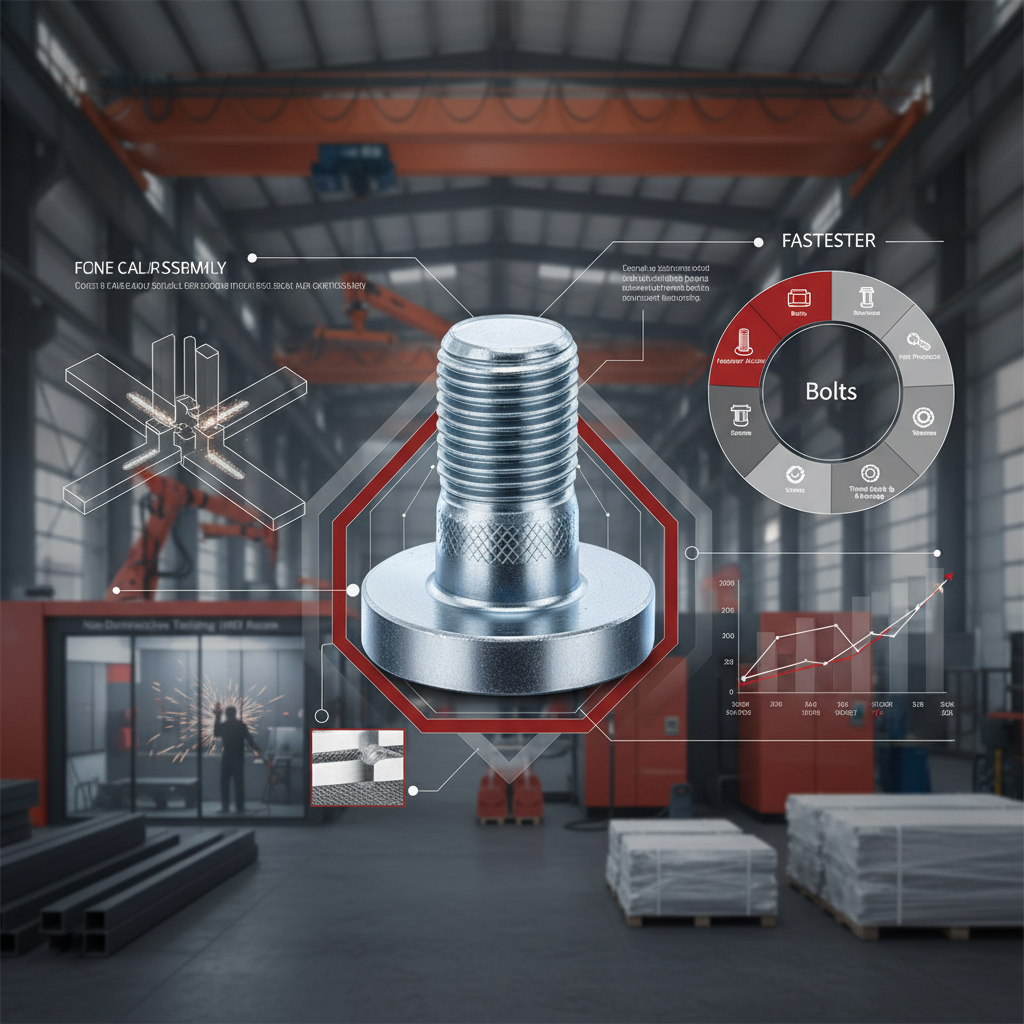
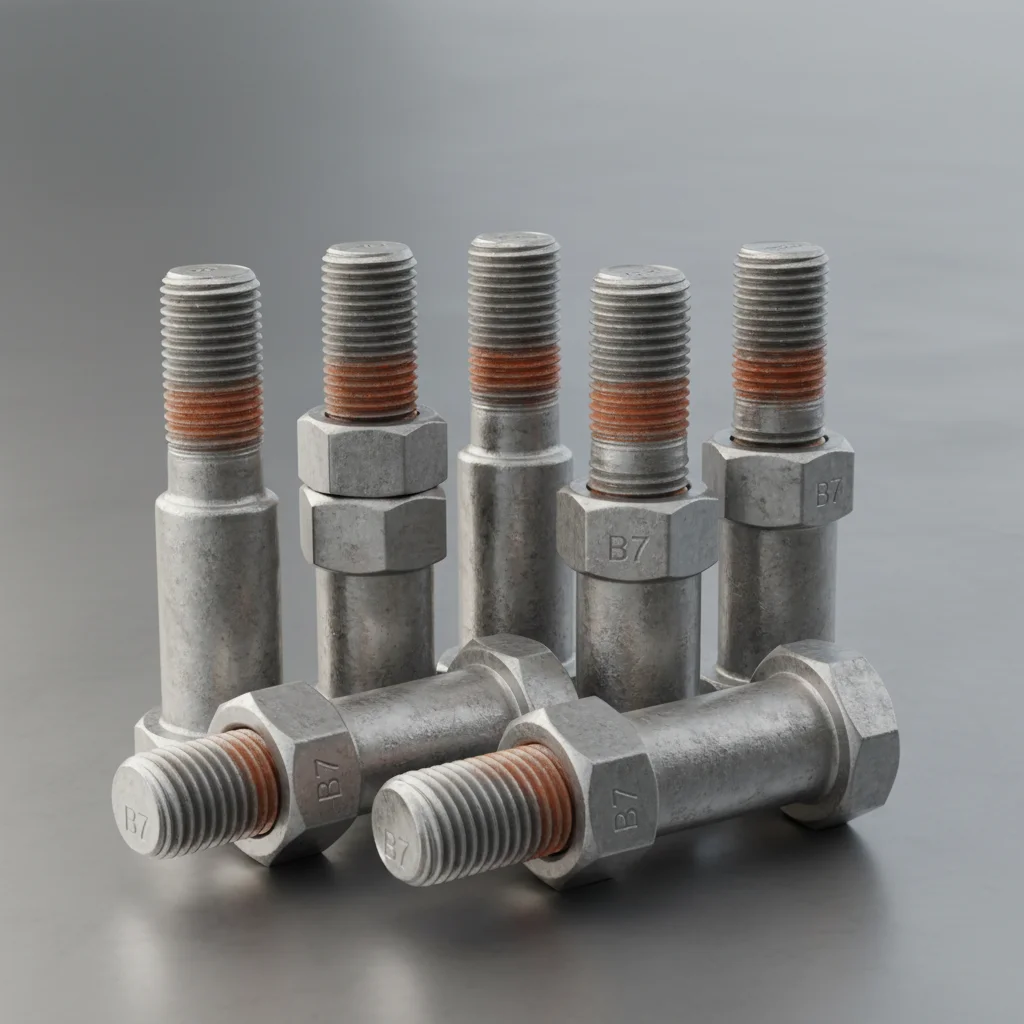
In the complex world of structural metal fabrication, the integrity of a joint often determines the safety of the entire assembly. The flange bolt stands as a critical component in this regard, combining the clamping power of a traditional bolt with an integrated washer-like head. This design is not merely a convenience but a strategic engineering choice to distribute load more evenly and prevent material deformation under high pressure.
Across global infrastructure projects—from skyscraper frameworks to automotive assembly lines—the demand for high-precision fasteners has surged. As industries move toward more rigorous safety standards and leaner assembly processes, understanding the nuances of the flange bolt becomes essential for engineers and procurement specialists who aim to balance structural reliability with installation efficiency.
Choosing the right fastening solution is no longer just about diameter and thread pitch; it is about maximizing the longevity of the connection. By eliminating the need for separate washers in many applications, these specialized bolts reduce part counts and minimize the risk of assembly errors, making them a cornerstone of modern industrial fastening strategies worldwide.
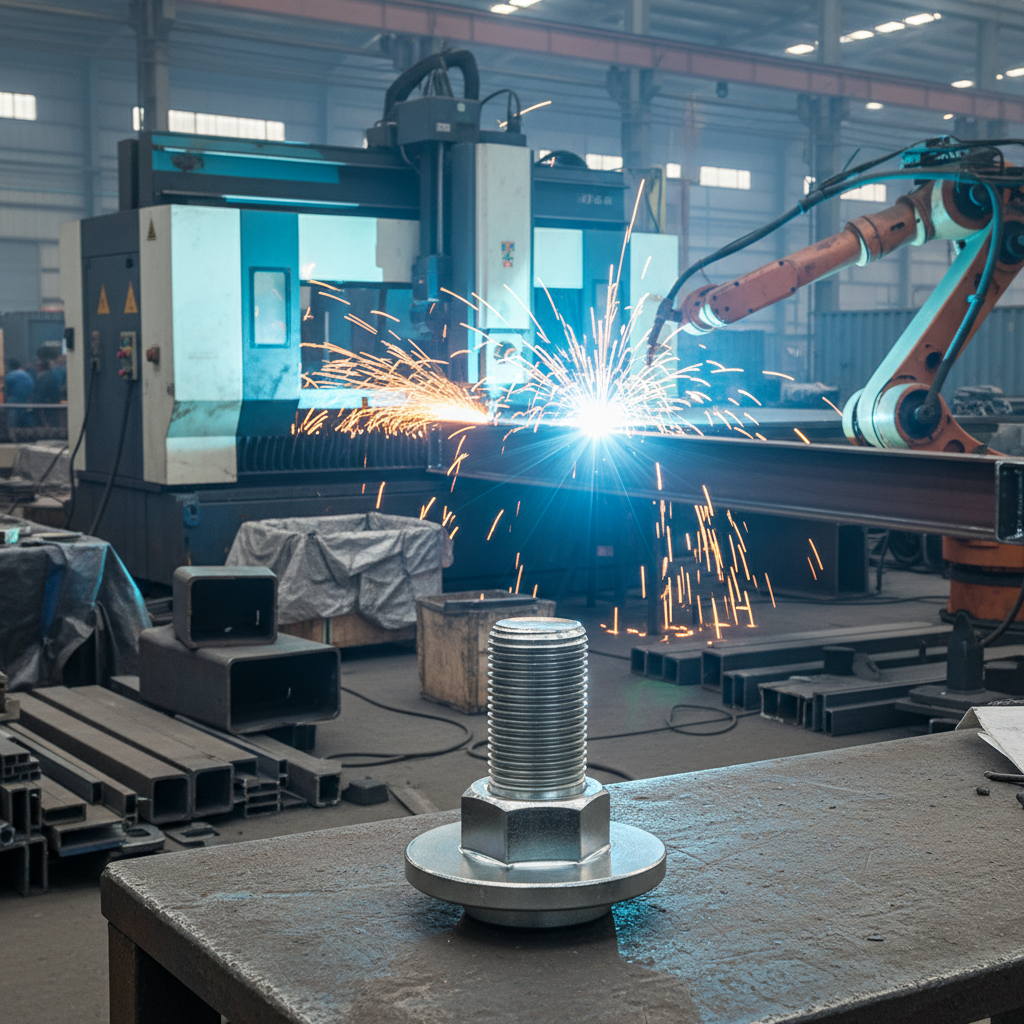
Global Relevance of Flange Bolt Engineering
On a global scale, the manufacturing sector relies heavily on standardized components to ensure interoperability and safety. The adoption of the flange bolt has grown significantly as ISO and DIN standards have evolved to address the challenges of high-vibration environments. In regions with rapid industrialization, such as Southeast Asia and North America, the shift toward integrated fasteners has reduced assembly time by nearly 15% in heavy machinery production.
The primary challenge addressed by these fasteners is the "crushing" effect often seen with standard hex bolts on softer substrates. By increasing the bearing surface, the flange bolt prevents the fastener head from sinking into the joined material, which is critical for maintaining tension and preventing joint failure in seismic-prone regions or high-stress industrial zones.
Defining the Flange Bolt and Its Industrial Role
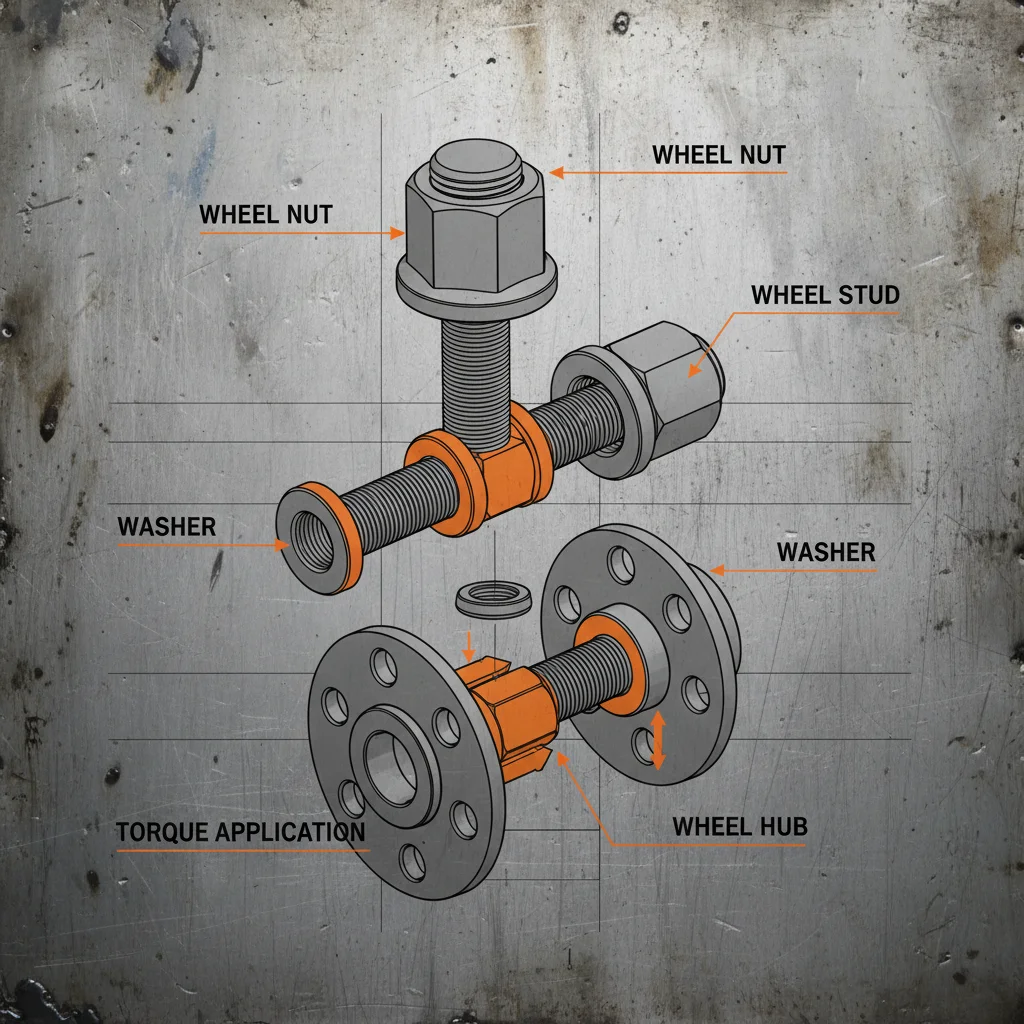
In the simplest terms, a flange bolt is a fastener that features a pre-integrated, wide circular base (the flange) beneath the head. This design effectively merges the functions of a bolt and a washer into a single piece of hardware. From a technical standpoint, this allows for a more consistent distribution of the clamping force across the mating surface, reducing the risk of localized stress concentrations.
Beyond the mechanical definition, these bolts play a vital role in modern humanitarian and infrastructure needs. For example, in the rapid assembly of modular clinics or emergency bridges in disaster-stricken areas, the ability to secure joints without managing thousands of individual loose washers speeds up deployment and reduces the likelihood of critical parts being lost during transit.
In the broader context of the metal products industry, this component represents the transition from "simple fastening" to "engineered joining." It addresses the need for precision in high-torque applications where traditional washers might slip or deform, ensuring that the structural integrity of the assembly remains intact over decades of service.
Core Components and Technical Factors
The durability of a flange bolt is primarily governed by its material composition. Whether crafted from grade 8.8 carbon steel for general construction or stainless steel (A2/A4) for corrosive maritime environments, the metallurgy determines how the bolt handles shear and tensile stress.
Load distribution is the most critical factor. The integral flange of the flange bolt provides a larger surface area, which is mathematically proven to reduce the pressure (force per unit area) on the joint. This is particularly essential when working with aluminum or composite materials that are prone to galling or deformation.
Cost efficiency is achieved not through the unit price of the bolt itself, but through the reduction of labor and inventory. By utilizing a flange bolt, manufacturers eliminate the step of adding a washer, which streamlines the assembly line and reduces the total bill of materials (BOM).
Performance Metrics and Load Distribution
Evaluating the effectiveness of a flange bolt requires a look at its performance under dynamic loads. In automotive chassis applications, the ability of the flange to resist loosening under vibration is superior to standard bolt-and-washer combinations, as it creates a more stable friction interface.
To better understand how different types of integrated fasteners compare, we look at ratings across key industrial metrics. The following data represents the comparative efficiency of various fastening methods in high-torque environments.
Comparative Efficiency of Flange Bolt Variants
Real-World Applications and Global Use Cases
The versatility of the flange bolt makes it indispensable across diverse sectors. In the automotive industry, they are used extensively in engine mounts and suspension systems where high vibration is a constant threat. The integrated flange ensures that the bolt maintains its tension without the risk of the washer rotating or sliding out of place during high-speed operation.
In remote industrial zones, such as offshore oil rigs or wind turbine installations, the use of corrosion-resistant flange bolts reduces maintenance cycles. In these environments, every minute of downtime is costly; by utilizing fasteners that provide superior sealing and load distribution, operators can extend the intervals between structural inspections and tightenings.
Long-Term Value and Reliability Advantages
The tangible benefits of adopting a flange bolt extend beyond the initial assembly phase. Logically, the reduction in part count translates to a leaner supply chain and lower inventory management costs. From a safety perspective, the elimination of the separate washer removes a potential point of failure, as there is no risk of using the wrong washer size or omitting one entirely.
Emotionally, the use of high-grade engineered fasteners builds trust between the manufacturer and the end-user. When a structural beam in a public bridge or a component in a passenger vehicle is secured with a flange bolt, it signals a commitment to precision and reliability. This "invisible" quality assurance is what defines premium structural engineering.
Furthermore, sustainability is enhanced through material optimization. By consolidating two components into one, the manufacturing process can be streamlined to reduce waste. The long-term reliability of these bolts means fewer replacements over the lifecycle of the product, contributing to a more sustainable approach to industrial maintenance.
Future Innovations in Fastener Technology
The future of the flange bolt is being shaped by the digital transformation of manufacturing. We are seeing the rise of "Smart Fasteners" that incorporate sensors within the flange to monitor tension and torque in real-time. This allows for predictive maintenance in critical infrastructure, where a bolt can alert engineers to a loss of tension before a failure occurs.
Material science is also evolving, with the introduction of nano-coatings that provide unprecedented levels of corrosion resistance without the need for heavy galvanization. These advanced coatings allow the flange bolt to operate in extreme chemical environments, such as hydrogen production plants, where traditional steel would degrade rapidly.
As automation continues to dominate the factory floor, the design of these bolts is being optimized for robotic gripping and high-speed insertion. The integration of AI-driven quality control ensures that every flange is perfectly concentric, eliminating the slight variances that once plagued mass-produced fasteners.
Technical Analysis of Flange Bolt Specifications and Performance
| Material Grade |
Clamping Force Efficiency |
Corrosion Resistance |
Recommended Application |
| Carbon Steel 8.8 |
High (8/10) |
Moderate (5/10) |
General Construction |
| Carbon Steel 10.9 |
Very High (10/10) |
Moderate (4/10) |
Heavy Machinery |
| Stainless A2-70 |
Medium (7/10) |
High (9/10) |
Food Processing |
| Stainless A4-80 |
Medium (7/10) |
Very High (10/10) |
Marine Engineering |
| Alloy Steel (Coated) |
High (9/10) |
High (8/10) |
Automotive Chassis |
| Titanium Grade 5 |
High (9/10) |
Extreme (10/10) |
Aerospace Components |
FAQS
In most standard applications, no. The integrated flange is designed to perform the exact function of a washer by distributing the load and protecting the surface of the material. However, in very specific high-torque or specialized sealing applications, a secondary washer may be requested by the engineer, but the primary goal of a flange bolt is to eliminate this extra step.
The primary advantages include increased load distribution, reduced assembly time, and a lower risk of parts loss. Because the flange is part of the bolt, it cannot slip or become misaligned, providing a more stable and secure joint that is far less likely to loosen under vibration compared to a traditional hex bolt and separate washer setup.
For marine or highly corrosive environments, Stainless Steel A4 (316) is the gold standard. It contains molybdenum, which provides superior resistance to chlorides and salt spray. If extreme strength is required alongside corrosion resistance, specialized alloy steels with high-performance zinc-flake or ceramic coatings are also excellent alternatives.
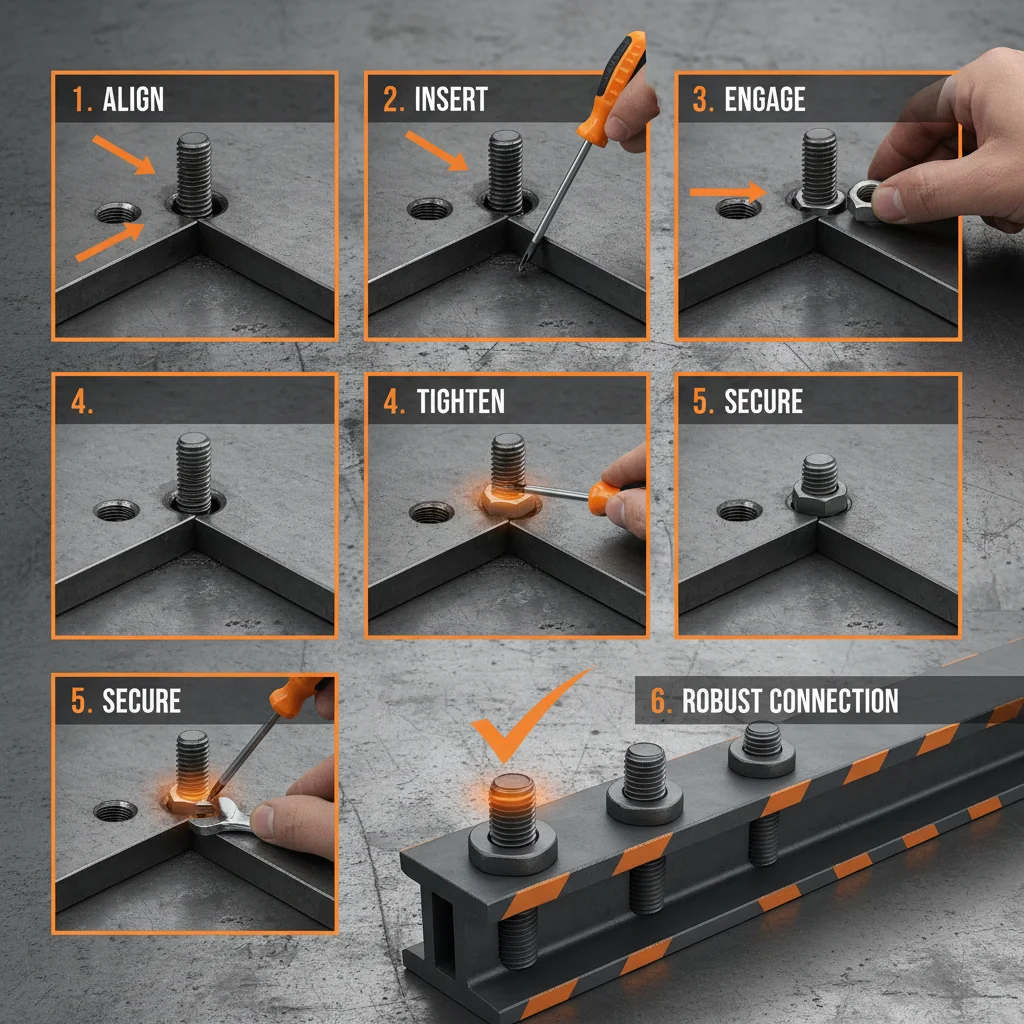
Torque depends on the material grade (e.g., 8.8 vs 10.9), the diameter of the bolt, and the lubrication state of the threads. Since the flange increases the friction surface, you should refer to the manufacturer's torque chart specific to the flange design. Using a calibrated torque wrench is essential to avoid over-stressing the bolt or under-tightening the joint.
Yes, they are widely used in automotive suspensions. Their ability to distribute clamping force prevents the bolt head from distorting the mounting bracket, which is critical for maintaining precise alignment. Their vibration resistance makes them a safer choice for components that undergo constant movement and stress.
While the unit cost of a flange bolt may be slightly higher than a basic hex bolt, the total cost of ownership is usually lower. This is because you save on the cost of the washer, reduce the labor time for assembly, and lower the risk of failure, which decreases expensive maintenance and warranty claims over time.
Conclusion
The flange bolt represents a perfect marriage of efficiency and structural integrity. By integrating the washer into the bolt head, it solves the age-old industrial problems of load concentration, assembly errors, and part management. Whether it is through the use of high-grade alloy steels for heavy machinery or stainless variants for marine use, these fasteners ensure that the joints holding our world together remain secure and durable.
As we look toward a future of smart manufacturing and sustainable infrastructure, the role of the flange bolt will only expand. We encourage engineers and procurement officers to evaluate their current fastening strategies and consider the long-term reliability and cost-saving benefits of integrated solutions. For high-quality, precision-engineered fasteners that meet global standards, visit our website: www.yfnfasteners.com