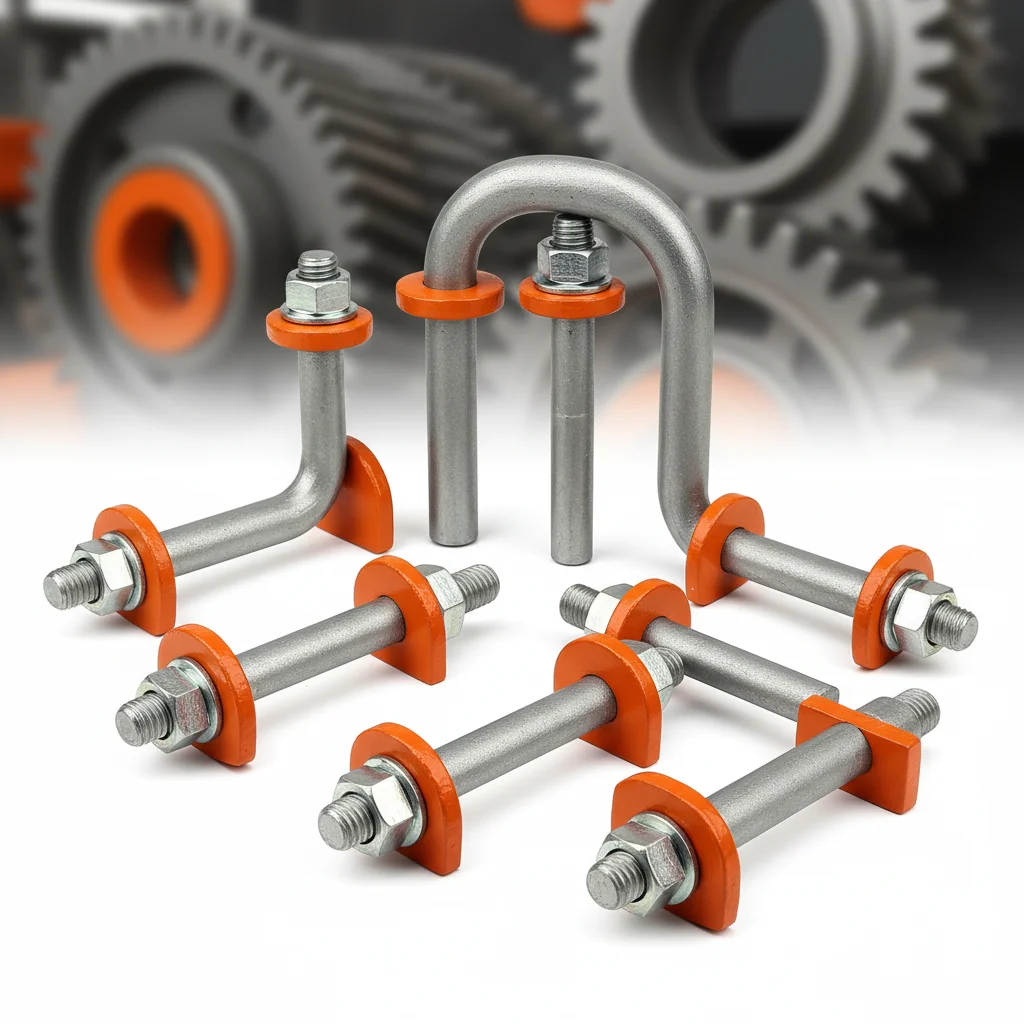
In the demanding world of high-temperature and high-pressure industrial environments, the selection of fastening hardware is not merely a procurement detail but a critical safety decision. The b7 bolt stands as a cornerstone of the oil, gas, and petrochemical industries, providing the essential structural integrity required to prevent catastrophic failures in flange connections. By adhering to strict ASTM A193 standards, these fasteners ensure that critical systems remain sealed and secure under extreme thermal stress.
Globally, the demand for high-strength alloy steel fasteners has surged as industrial plants push the boundaries of operational efficiency and temperature thresholds. Understanding the metallurgical properties and application limits of the b7 bolt is vital for engineers and procurement managers who seek to balance cost-efficiency with uncompromising safety standards. Whether in a refinery in Texas or a chemical plant in Southeast Asia, these bolts are the unsung heroes of industrial stability.
This comprehensive guide explores the technical nuances, global applications, and future innovations surrounding the b7 bolt. By examining the intersection of material science and mechanical engineering, we provide a roadmap for selecting and maintaining these components to maximize the lifespan of your industrial assets and ensure a secure working environment for all personnel.
Global Industrial Relevance of B7 Bolts
The global industrial landscape relies heavily on the consistency of standardized components to ensure safety across borders. The b7 bolt is an international benchmark in the manufacturing of structural metal products, particularly where heat and pressure are constant variables. According to ISO standards and industry benchmarks, the failure of a single high-pressure flange can lead to millions of dollars in downtime or, worse, environmental disasters.
Consequently, the adoption of ASTM A193 Grade B7 specifications has become a global mandate for critical infrastructure. From the expansion of LNG terminals in the Middle East to the modernization of chemical refineries in Europe, the reliance on the b7 bolt ensures that engineers can predict the behavior of their joints under the most strenuous conditions, reducing the risk of unexpected leakage or structural collapse.
Defining the B7 Bolt Standard
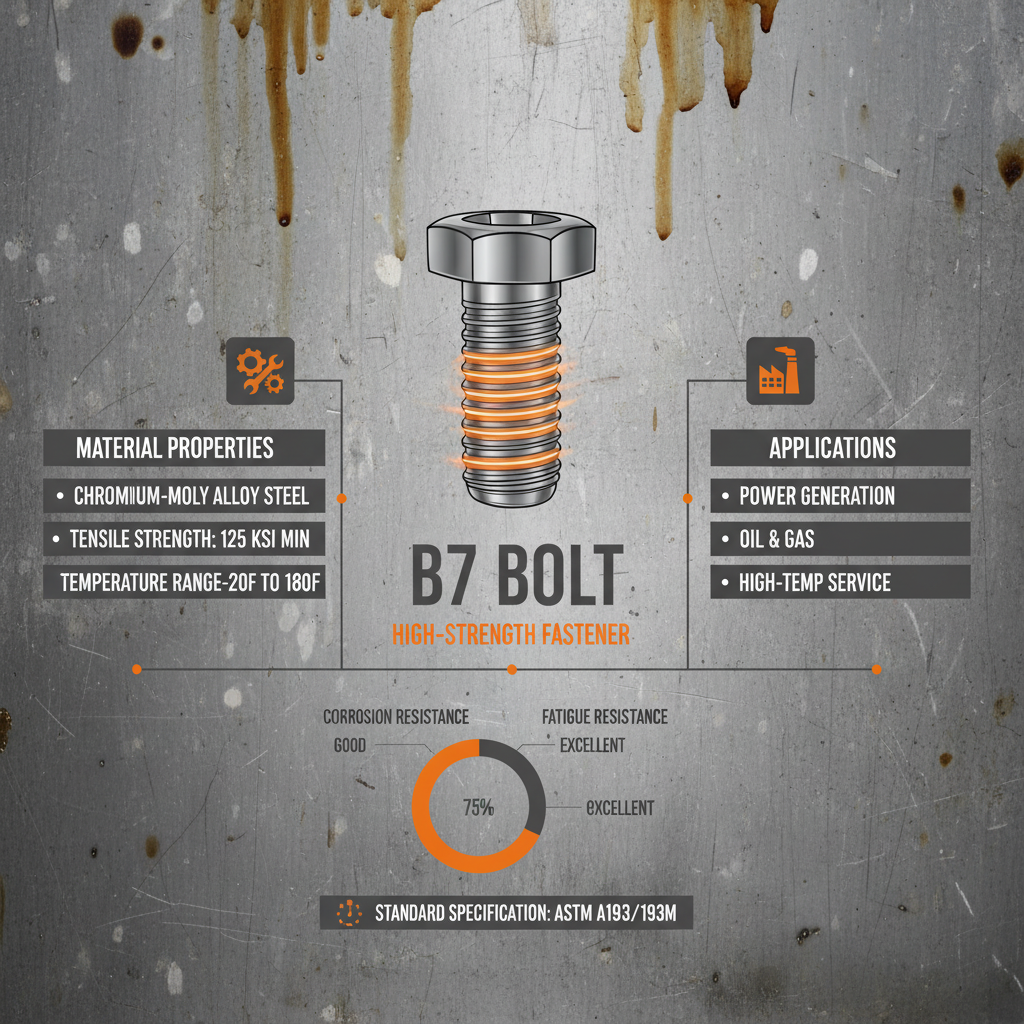
At its core, a b7 bolt is a high-strength fastener made from chromium-molybdenum alloy steel, specifically quenched and tempered to achieve a precise balance of hardness and ductility. Unlike standard carbon steel bolts, the B7 grade is designed to maintain its mechanical properties even when exposed to extreme temperatures, making it the primary choice for bolted connections in pressure vessels and valves.
The connection between this specific metallurgy and modern industry is profound. In an era where humanitarian needs often require the rapid deployment of energy infrastructure in remote or disaster-prone areas, the reliability of a standardized b7 bolt means that replacement parts are interchangeable and predictable. This standardization prevents the logistical nightmare of custom-fitting fasteners during critical repair operations.
Furthermore, the "B7" designation refers to a specific set of chemical and mechanical requirements defined by ASTM International. This ensures that every b7 bolt produced—regardless of the manufacturer—meets a minimum tensile strength and yield point, providing a universal language of safety and quality for structural metal fabrication worldwide.
Core Components of B7 Performance
One of the most critical factors of the b7 bolt is its exceptional Thermal Stability. Because these fasteners are utilized in steam lines and high-heat reactors, they must resist "creep"—the tendency of a solid material to move slowly or deform permanently under the influence of persistent mechanical stresses.
Mechanical Strength is the second pillar of performance. The b7 bolt is engineered for high tensile load capacities, ensuring that the clamping force on a gasket remains constant. This prevents leaks in high-pressure environments where a minor gap could lead to a hazardous gas release.
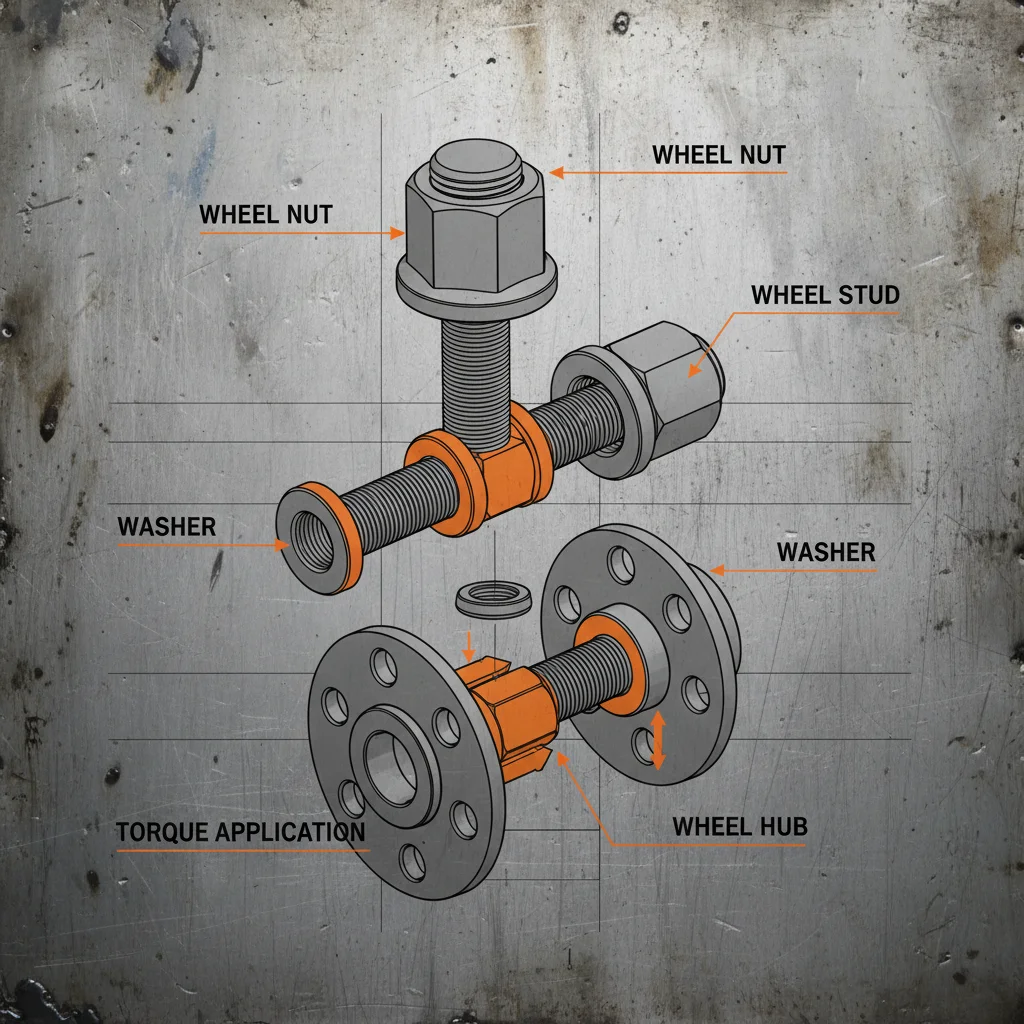
Finally, Corrosion Resistance (often enhanced via coatings like zinc or PTFE) allows the b7 bolt to withstand harsh industrial atmospheres. When paired with the correct nut and washer from the fasteners category, these bolts create a synergistic sealing system that protects the internal integrity of the pipeline.
Practical Applications Across Global Sectors
The real-world application of the b7 bolt spans across the most demanding sectors of the global economy. In the petrochemical industry, these bolts are indispensable for securing heat exchangers and pressure vessels. For example, in the remote industrial zones of the Permian Basin, the ability of these fasteners to handle rapid temperature cycling is what keeps the infrastructure operational 24/7.
Beyond traditional oil and gas, we see these fasteners used in power generation plants and large-scale HVAC systems for commercial skyscrapers. In post-disaster relief operations where temporary power plants or water desalination units are deployed, the use of a standardized b7 bolt allows rapid assembly and ensures that the equipment can handle the high pressures required for emergency water purification.
Comparative Performance of B7 Bolt Variants
Long-Term Value and Reliability Benefits
Investing in a high-quality b7 bolt provides more than just mechanical fastening; it provides peace of mind. From a logical perspective, the long-term value is found in the reduction of maintenance cycles. A bolt that does not lose its tension due to thermal expansion reduces the frequency of costly "re-torque" operations, saving thousands of man-hours annually in large-scale plants.
Emotionally, the reliability of these components translates to safety and trust. For the workers operating in high-pressure environments, knowing that every flange is secured by a certified b7 bolt provides the dignity of a safe workplace. The trust placed in these small pieces of metal is the foundation upon which massive industrial innovations are built, ensuring that progress does not come at the cost of human life.
Innovations in High-Temperature Fastening
The future of the b7 bolt is being shaped by the digital transformation of the industry. We are seeing the integration of "Smart Fasteners"—bolts equipped with sensors that can monitor tension and temperature in real-time. This allows operators to move from scheduled maintenance to predictive maintenance, replacing a b7 bolt only when the data indicates a loss of clamping force.
Sustainability is also driving innovation. New, eco-friendly coatings are replacing traditional hexavalent chromium platings, reducing the environmental footprint of the manufacturing process without sacrificing the protective qualities of the b7 bolt. These "green" coatings are essential for companies striving to meet ESG (Environmental, Social, and Governance) targets.
Furthermore, the rise of additive manufacturing is exploring ways to create customized fastener geometries that optimize stress distribution. While the standard b7 bolt remains the industry workhorse, these hybrid approaches will allow for even higher efficiency in specialized green energy projects, such as hydrogen production plants.
Overcoming Implementation Challenges
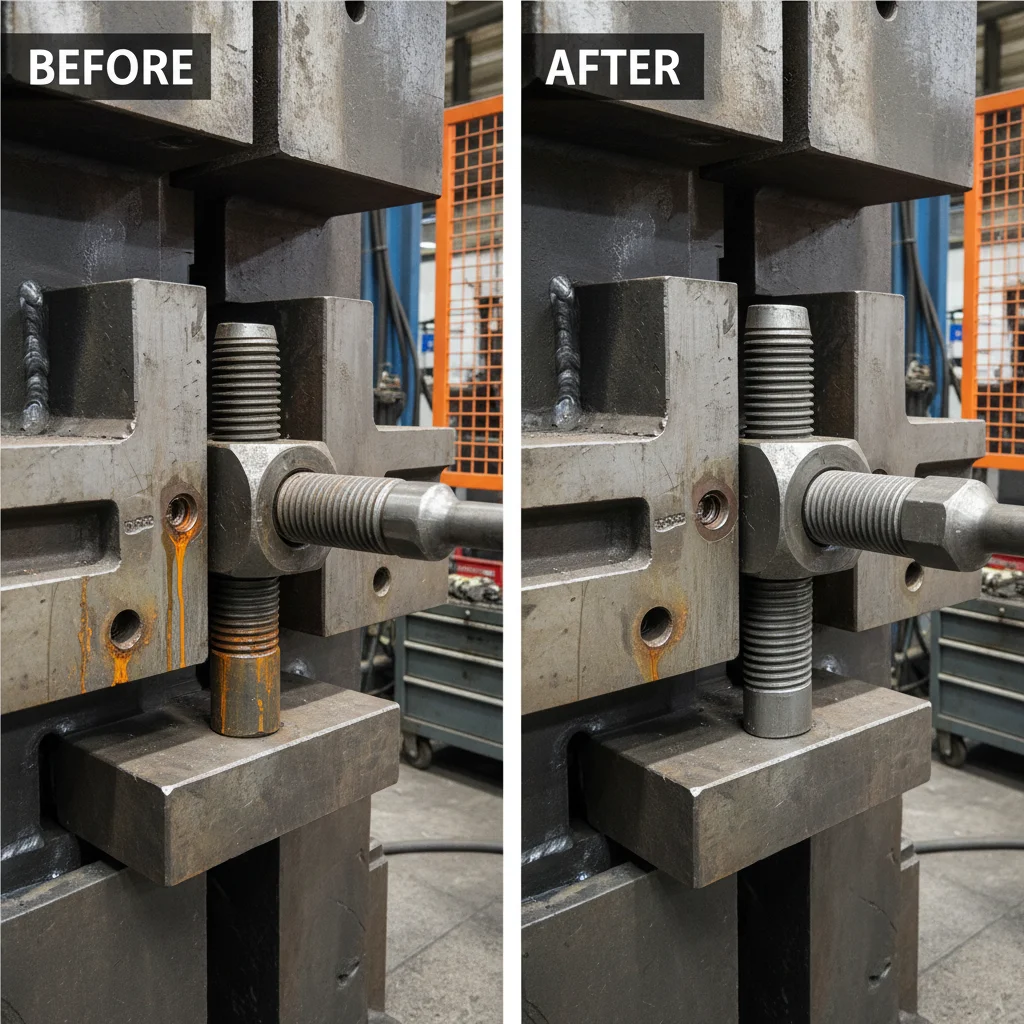
Despite their strength, the implementation of the b7 bolt is not without challenges. One common issue is "galling"—a form of wear caused by adhesion between sliding surfaces. This is particularly prevalent in high-temperature alloy bolts, where the friction can cause the bolt and nut to essentially weld together, making disassembly nearly impossible.
The solution lies in the professional application of anti-seize compounds and the selection of advanced coatings. By using a molybdenum-disulfide lubricant, engineers can significantly reduce the coefficient of friction, ensuring that the b7 bolt can be removed safely during maintenance without damaging the flange face.
Another challenge is the risk of "hydrogen embrittlement," which can occur during certain plating processes. To overcome this, expert manufacturers implement a rigorous baking process after plating to drive out hydrogen. Ensuring your supplier follows these precise heat-treatment protocols is the only way to guarantee the structural integrity of your b7 bolt installations.
Technical Comparison and Selection Guide for B7 Bolt Variants
| Coating Type |
Temperature Limit |
Corrosion Resistance |
Recommended Use Case |
| Plain/Black Oxide |
Up to 500°C |
Low |
Indoor Dry Environments |
| Zinc Plated |
Up to 200°C |
Medium |
General Purpose Industrial |
| PTFE / Teflon |
Up to 260°C |
High |
Chemical Processing Plants |
| Hot Dip Galvanized |
Up to 150°C |
Very High |
Outdoor Offshore Structures |
| Xylan / Fluoropolymer |
Up to 300°C |
Extreme |
Deep Sea/Acidic Environments |
| Chrome Plated |
Up to 250°C |
Medium-High |
High-Wear Machinery |
FAQS
While both are high-strength, the b7 bolt is specifically governed by ASTM A193, designed for high-temperature and high-pressure service, often in flange applications. Grade 8 bolts are typically governed by SAE standards for general automotive or structural use and do not possess the same certified thermal stability as the B7 grade.
Standard b7 bolt materials are optimized for high temperatures. For cryogenic applications (extremely low temperatures), B7 alloy steel may become brittle. In such cases, it is recommended to use ASTM A320 Grade L7 bolts, which are specifically engineered for low-temperature toughness.
To maintain the integrity of the connection, a b7 bolt should be paired with ASTM A193 Grade 2H heavy hex nuts. These nuts provide the necessary strength and hardness to match the bolt's tensile properties, preventing thread stripping under high torque.
The best way to prevent galling with a b7 bolt is to apply a high-quality nickel-based or molybdenum-disulfide anti-seize lubricant. Additionally, opting for fluoropolymer coatings (like Xylan) during the procurement stage can significantly reduce friction and prevent cold-welding of the threads.
Generally, the b7 bolt is rated for service up to approximately 500°C (around 930°F), though its strength begins to diminish as it approaches these extremes. Always consult the specific material test report (MTR) and engineering specifications for your particular application.
Authentic b7 bolt products will have clear head markings (usually "B7") and must be accompanied by a Mill Test Report (MTR). The MTR provides the chemical composition and mechanical test results, ensuring the product adheres to the ASTM A193 standard.
Conclusion
The b7 bolt is far more than a simple fastener; it is a critical safety component that enables the safe operation of the world's most demanding industrial systems. From its specialized chromium-molybdenum metallurgy to its ability to withstand extreme thermal cycling, the B7 standard provides the reliability necessary for the oil, gas, and chemical sectors to function without failure. By focusing on the core pillars of thermal stability, mechanical strength, and proper coating selection, industries can ensure long-term asset integrity and operational safety.
Looking forward, the integration of smart monitoring and sustainable coatings will only enhance the value of these fasteners. We suggest that procurement managers and engineers prioritize certified suppliers who provide full traceability through Mill Test Reports to avoid the risks associated with substandard hardware. As industrial demands evolve, the b7 bolt will remain an essential tool in the quest for industrial efficiency and safety. Visit our website: www.yfnfasteners.com