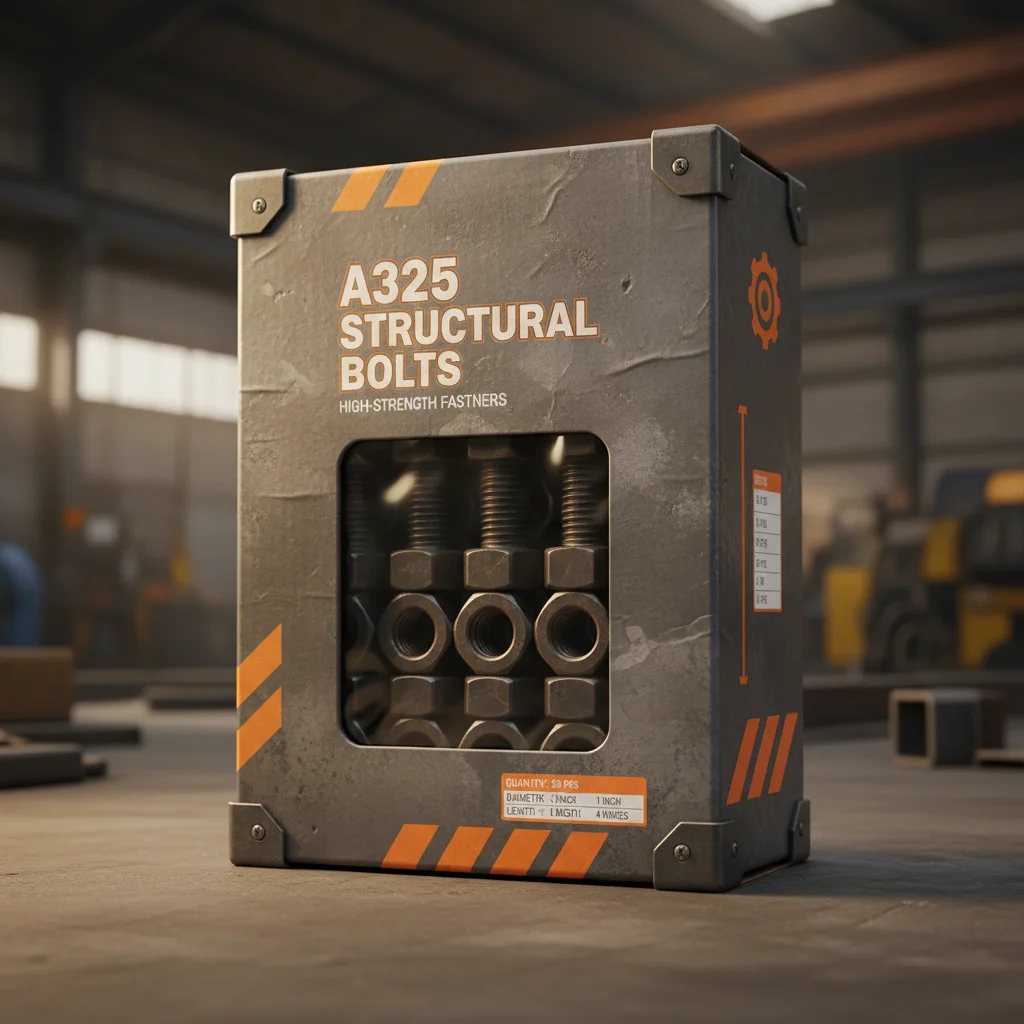
The industrial landscape of structural metal fabrication relies heavily on the precision and reliability of specialized fasteners, among which the l7 bolt stands as a critical component for high-stress environments. Ensuring the structural integrity of large-scale metal assemblies requires a deep understanding of bolt specifications, material grades, and the mechanical properties that prevent failure under extreme load conditions.
Globally, the demand for high-performance fastening solutions has surged as infrastructure projects become more complex and demanding. The l7 bolt is specifically engineered to meet these rigorous standards, bridging the gap between standard industrial fasteners and the specialized needs of heavy-duty structural engineering.
Understanding the nuances of the l7 bolt is not merely a matter of procurement but a safety imperative. By analyzing its metallurgical composition and application versatility, engineers and procurement managers can optimize the longevity of their structures while significantly reducing maintenance costs over the project's lifecycle.
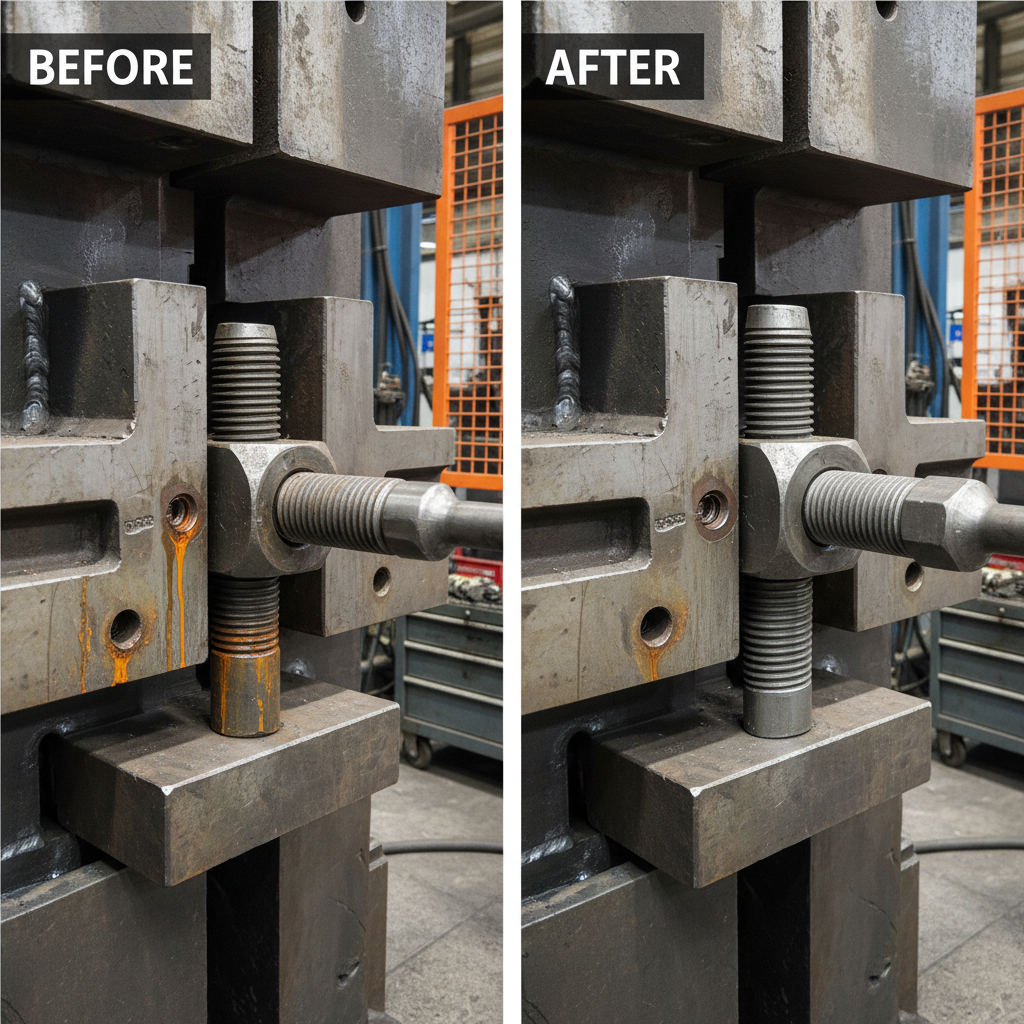
Global Industry Context of L7 Bolts
In the current era of global industrialization, the adherence to ISO and ASTM standards has become the benchmark for safety in structural metal fabrication. The l7 bolt operates within this strict regulatory framework, ensuring that every unit produced can withstand the calculated stresses of modern architecture and machinery.
As emerging economies expand their infrastructure, the challenge of material fatigue and environmental corrosion has become more prominent. The implementation of the l7 bolt addresses these challenges by providing a superior strength-to-weight ratio, which is essential for reducing the overall mass of structures without compromising their load-bearing capacity.
Definition and Technical Meaning of L7 Bolts
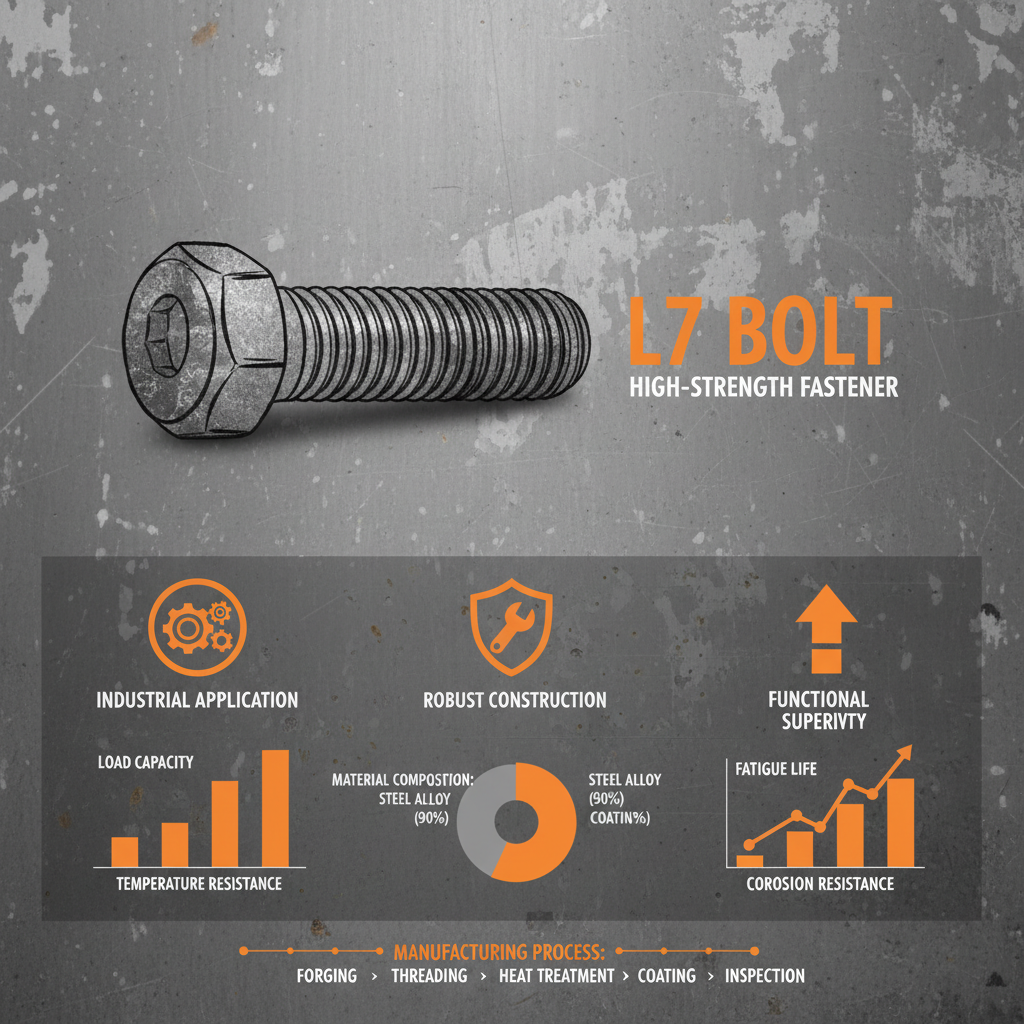
In simple technical terms, an l7 bolt is a high-tensile fastener specifically designed for structural applications where precision torque and shear resistance are paramount. Unlike generic bolts, the L7 designation typically refers to a specific grade of alloy steel or a manufacturing process that ensures consistent threading and head geometry for maximum clamping force.
From an industry perspective, this bolt serves as the "anchor" of stability in metal structures. Its connection to modern humanitarian and industrial needs is seen in the rapid deployment of modular steel buildings and the construction of critical energy infrastructure, where failure is not an option and durability must be guaranteed over decades.
The technical meaning extends beyond the physical object to the certification it carries. When a project specifies an l7 bolt, it is requesting a guarantee of metallurgical purity and a specific yield strength that allows the structure to absorb kinetic energy and thermal expansion without permanent deformation.
Core Components and Performance Factors
Durability is the primary pillar of the l7 bolt. This is achieved through advanced heat-treatment processes and surface coatings—such as hot-dip galvanization or zinc-nickel plating—that protect the core steel from oxidative stress in humid or saline environments.
Scalability in application is another critical factor. The l7 bolt is manufactured across a wide range of diameters and lengths, allowing it to be integrated into everything from small-scale industrial brackets to massive bridge girders without requiring a change in the fastening logic or toolset.
Cost efficiency is realized not through the initial purchase price, but through the reduction of life-cycle costs. By utilizing a high-grade l7 bolt, companies reduce the frequency of inspections and the necessity for costly replacements, ensuring that the structural integrity remains intact with minimal human intervention.
Global Applications and Use Cases
Real-world applications of the l7 bolt span across various continents and sectors. In the oil and gas refineries of the Middle East, these bolts are used to secure heavy piping systems that undergo extreme temperature fluctuations, where the thermal stability of the L7 grade prevents loosening.
In remote industrial zones of Southeast Asia, the l7 bolt is often the preferred choice for building warehouse frameworks and solar panel arrays. Its ability to be installed quickly with high torque precision makes it ideal for projects where skilled labor may be limited but safety standards must remain absolute.
Comparative Performance of L7 Bolt Variants
Long-term Value and Reliability Advantages
The tangible benefit of integrating the l7 bolt lies in its unmatched reliability. From a logical standpoint, the high yield strength ensures that the fastener will not enter the plastic deformation zone under expected loads, which provides a predictable safety margin for structural engineers and project owners.
Beyond the numbers, there is an emotional value tied to safety and trust. Knowing that a structure is held together by certified l7 bolt components provides peace of mind to the workers and the public. This trust drives innovation, as architects can push the boundaries of design knowing the fastening systems can support bolder, more complex geometries.
Future Trends in Fastening Technology
The evolution of the l7 bolt is currently trending toward "smart fastening." We are seeing the integration of tension-indicating washers and sensors that can alert maintenance crews in real-time if a bolt has lost its preload, transforming the L7 from a passive component into an active part of the building's health monitoring system.
Sustainability is also reshaping the manufacturing process. New green-energy-driven smelting techniques are reducing the carbon footprint of the alloy steel used in l7 bolt production, aligning industrial growth with global ESG (Environmental, Social, and Governance) goals.
Automation and AI-driven quality control are ensuring that the tolerances of these bolts are tighter than ever. By using machine learning to detect micro-fractures during the forging process, the industry is eliminating the risk of "infant mortality" in fasteners, ensuring that every l7 bolt shipped is flawless.
Overcoming Challenges in L7 Bolt Implementation
One of the most common challenges is the risk of hydrogen embrittlement during the plating process. This can lead to sudden, catastrophic failure of the l7 bolt. Expert insights suggest the implementation of strict baking cycles immediately after plating to drive out trapped hydrogen, thereby restoring the material's ductility.
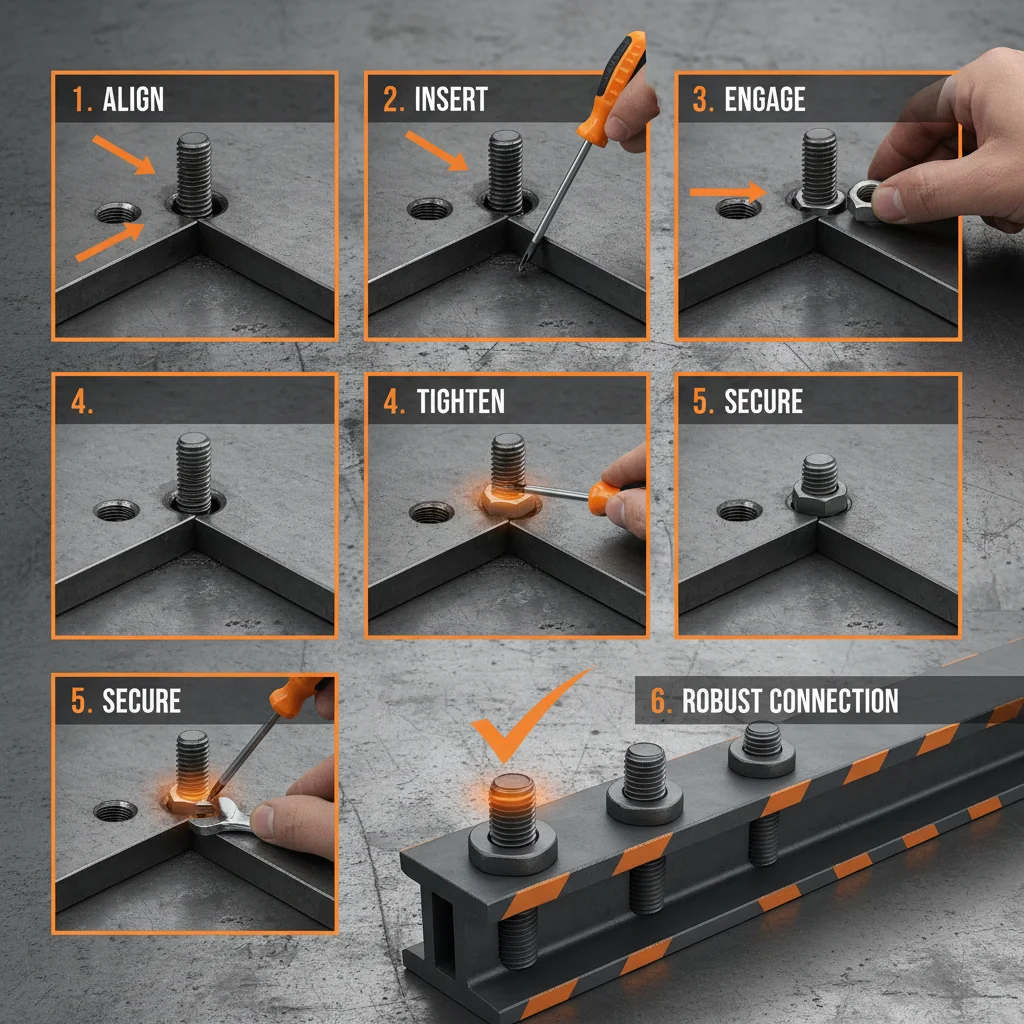
Another limitation is the incorrect application of torque, which can lead to either under-tensioning or over-stretching. To overcome this, the industry is shifting toward calibrated DC electric tools and ultrasonic measurement systems that verify the actual elongation of the l7 bolt rather than relying on torque alone.
Finally, supply chain volatility often leads to the use of counterfeit or sub-standard fasteners. The solution lies in the adoption of blockchain-based traceability, where each batch of l7 bolt products comes with a digital certificate of authenticity and a full metallurgical history.
Comparative Analysis of L7 Bolt Implementation Strategies
| Implementation Method |
Installation Accuracy |
Long-term Stability |
Cost-to-Risk Ratio |
| Standard Torque Wrench |
Moderate (6/10) |
Moderate (7/10) |
Low Cost / Med Risk |
| Calibrated DC Tooling |
High (9/10) |
High (9/10) |
Med Cost / Low Risk |
| Ultrasonic Tensioning |
Absolute (10/10) |
Absolute (10/10) |
High Cost / Min Risk |
| Manual Tightening |
Low (3/10) |
Low (4/10) |
Zero Cost / High Risk |
| Tension-Indicator Bolts |
High (8/10) |
High (8/10) |
Med Cost / Low Risk |
| Hydraulic Tensioning |
Very High (9/10) |
Very High (9/10) |
High Cost / Low Risk |
FAQS
The L7 bolt is engineered with a specific alloy composition and heat treatment that provides superior fatigue resistance and higher yield strength compared to general-purpose grade 8.8 fasteners. While both are high-strength, the L7 is specifically optimized for structural metal fabrication where consistent clamping force and resistance to shear are the primary design requirements.
While the base material of an L7 bolt is strong, it is not inherently immune to saltwater corrosion. For maritime or coastal applications, it is highly recommended to use L7 bolts with a hot-dip galvanized or zinc-nickel coating to prevent oxidation and ensure the long-term structural integrity of the assembly.
Authenticity can be verified through a Mill Test Report (MTR), which lists the chemical composition and mechanical properties of the batch. Additionally, look for standardized head markings and request traceability certificates from your supplier to ensure the bolts meet the specified ASTM or ISO standards.
Over-tightening can push the bolt beyond its elastic limit and into the plastic deformation zone. This causes the bolt to stretch permanently, which may actually reduce the clamping force and make the fastener susceptible to sudden failure under load. Using calibrated torque tools is the best way to prevent this.
Generally, it is not recommended to reuse high-tensile fasteners like the L7 bolt if they have been stressed to their limit. Once a bolt has undergone significant tension, its molecular structure may have changed slightly. For critical structural applications, always use new fasteners to ensure maximum safety.
Extreme heat can lead to "creep" or a reduction in yield strength, while extreme cold can make the steel more brittle. L7 bolts are designed to handle a broad range of industrial temperatures, but for extreme cryogenic or high-heat furnace applications, specialized alloys should be consulted.
Conclusion
The l7 bolt represents a critical intersection of metallurgical science and structural engineering. By providing a reliable, high-strength solution for the most demanding metal fabrication projects, it ensures that the global infrastructure we rely on—from energy plants to transport hubs—remains safe, stable, and sustainable. The transition toward smarter, greener, and more precise fastening methods only reinforces the importance of selecting the right grade of fastener for the job.
For engineers and procurement specialists, the choice of an l7 bolt is an investment in longevity and risk mitigation. As we move toward a future of more complex architectural forms and harsher environmental challenges, the reliance on certified, high-performance fasteners will only grow. We encourage you to prioritize quality and traceability in your supply chain to guarantee the safety of your structures. Visit our website for more professional fastening solutions: www.yfnfasteners.com