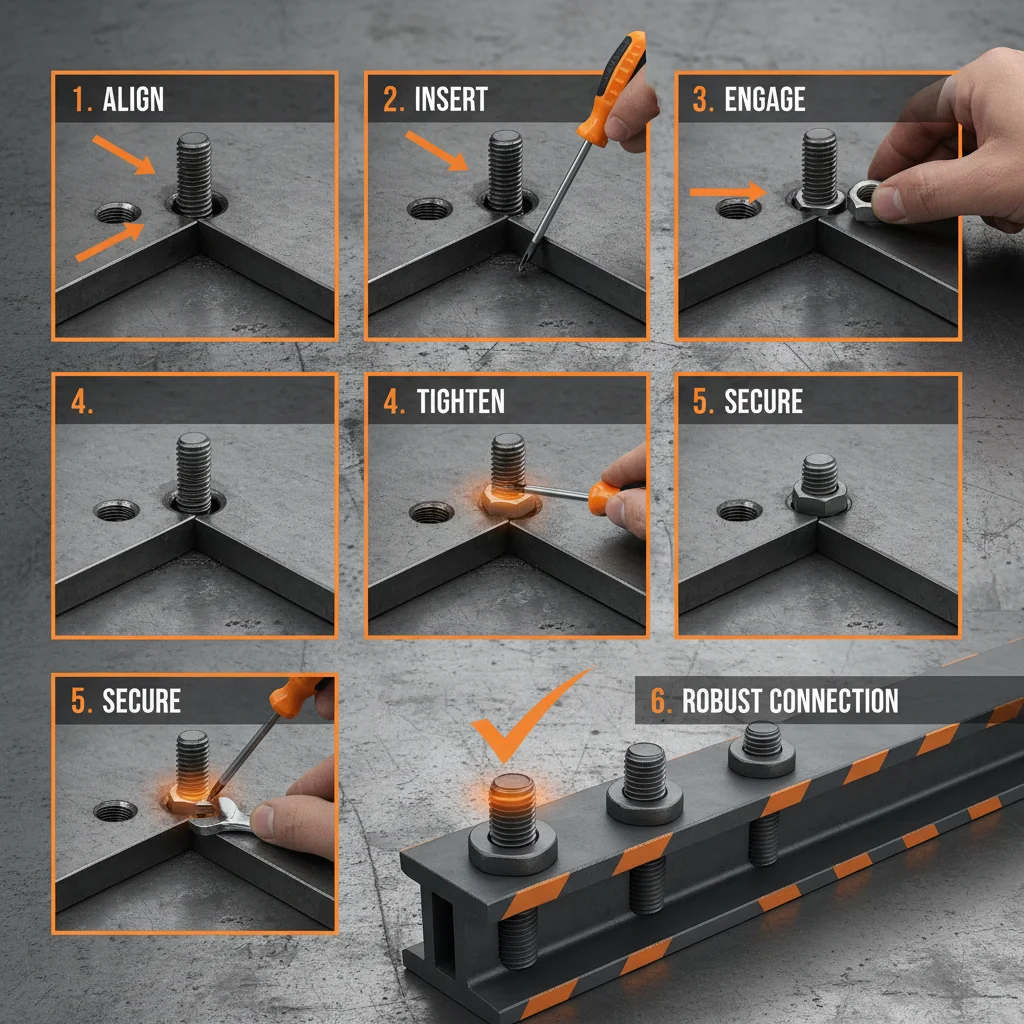
The stability and longevity of any piece of furniture rely heavily on the unseen components that hold it together, and among these, the furniture screw stands as a critical element of structural integrity. From high-end luxury cabinetry to mass-produced flat-pack desks, the choice of fasteners dictates not only the ease of assembly but also the safety and durability of the final product. Understanding the nuances of these components allows manufacturers and designers to optimize their production lines for maximum reliability.
Globally, the demand for specialized fastening solutions has surged as the interior design industry shifts toward modularity and sustainable materials. The modern furniture screw is no longer just a simple threaded rod; it is an engineered component designed to resist shearing forces, prevent material splitting, and withstand the repeated stresses of daily use. This evolution is driven by the need for faster assembly times and the increasing variety of substrate materials, including engineered woods and composite polymers.
By focusing on the technical specifications and application methods of the right furniture screw, businesses can significantly reduce warranty claims and improve consumer trust. Whether dealing with heavy-duty industrial shelving or delicate residential ornaments, the precision of the fastener ensures that the structural vision of the designer is translated into a safe, tangible reality for the end-user.
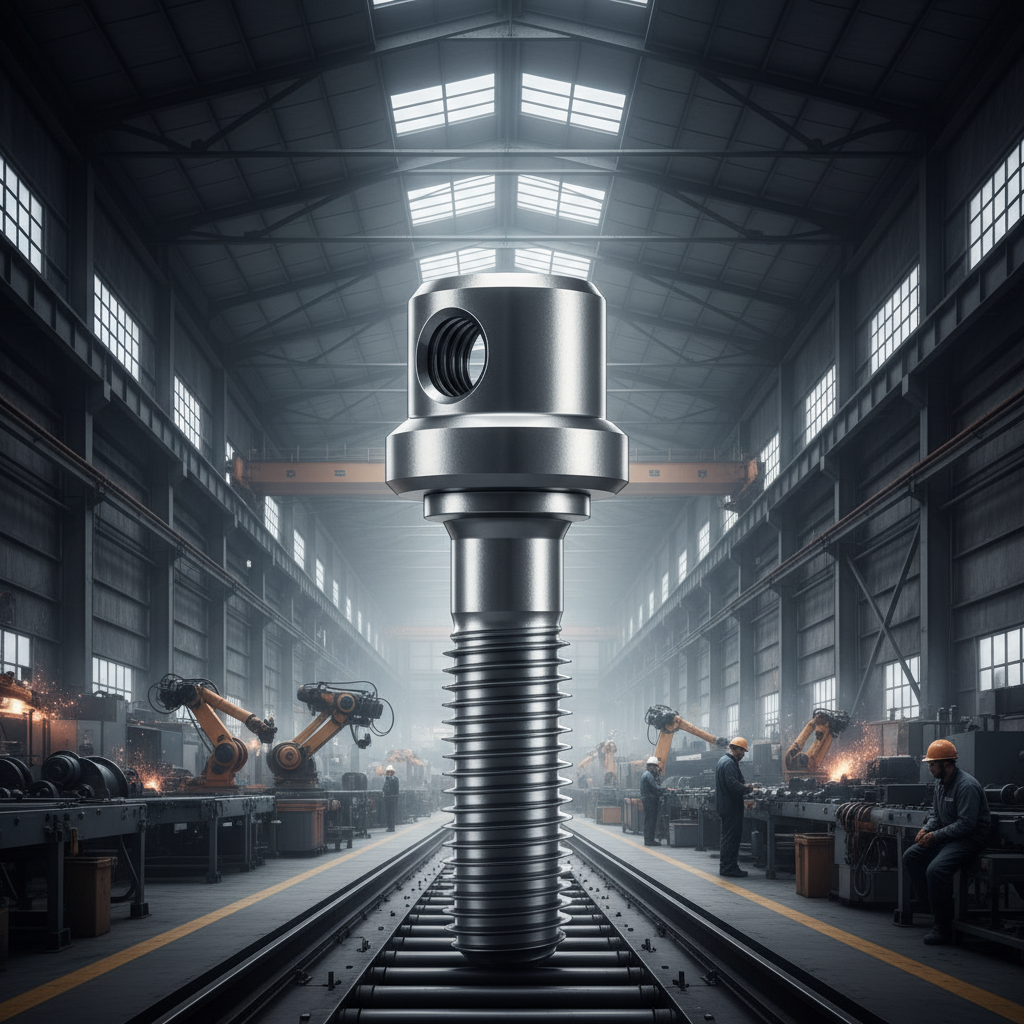
Global Industry Context of Furniture Screws
On a global scale, the furniture manufacturing sector has undergone a massive transformation toward "Ready-to-Assemble" (RTA) models. This shift has placed an immense burden on the furniture screw, as these components must now be intuitive enough for a consumer to install while remaining strong enough to maintain professional-grade stability. According to international ISO standards for fasteners, the precision of thread pitch and material hardness is paramount to prevent failures in high-traffic furniture items.
The challenge facing the industry today is the balance between cost-efficiency and structural longevity. As supply chains fluctuate, the reliance on high-quality alloys ensures that the furniture screw does not corrode or strip during the tightening process, which is a common point of failure in lower-quality mass-market products.
Technical Definition and Industrial Meaning
In technical terms, a furniture screw is a specialized threaded fastener designed specifically for joining wood, particle board, MDF, and metal components within furniture assemblies. Unlike standard construction screws, these are often characterized by unique head styles (such as flat, pan, or truss) and specific thread geometries that maximize grip in softer, porous materials without causing the substrate to split.
From an industrial perspective, these fasteners are the "connective tissue" of the modern home. They bridge the gap between aesthetics and engineering, allowing for sleek, seamless joints that hide the mechanical connection from view. The ability to disassemble and reassemble furniture—a key requirement for urban living and frequent relocation—makes the design of the thread and the durability of the head crucial.
Furthermore, the meaning of these components extends to humanitarian and economic needs. In rapidly developing regions, the availability of standardized, high-strength furniture screw options allows for the quick deployment of modular housing and educational furniture, fostering an environment of growth and stability through reliable infrastructure.
Core Components and Performance Factors
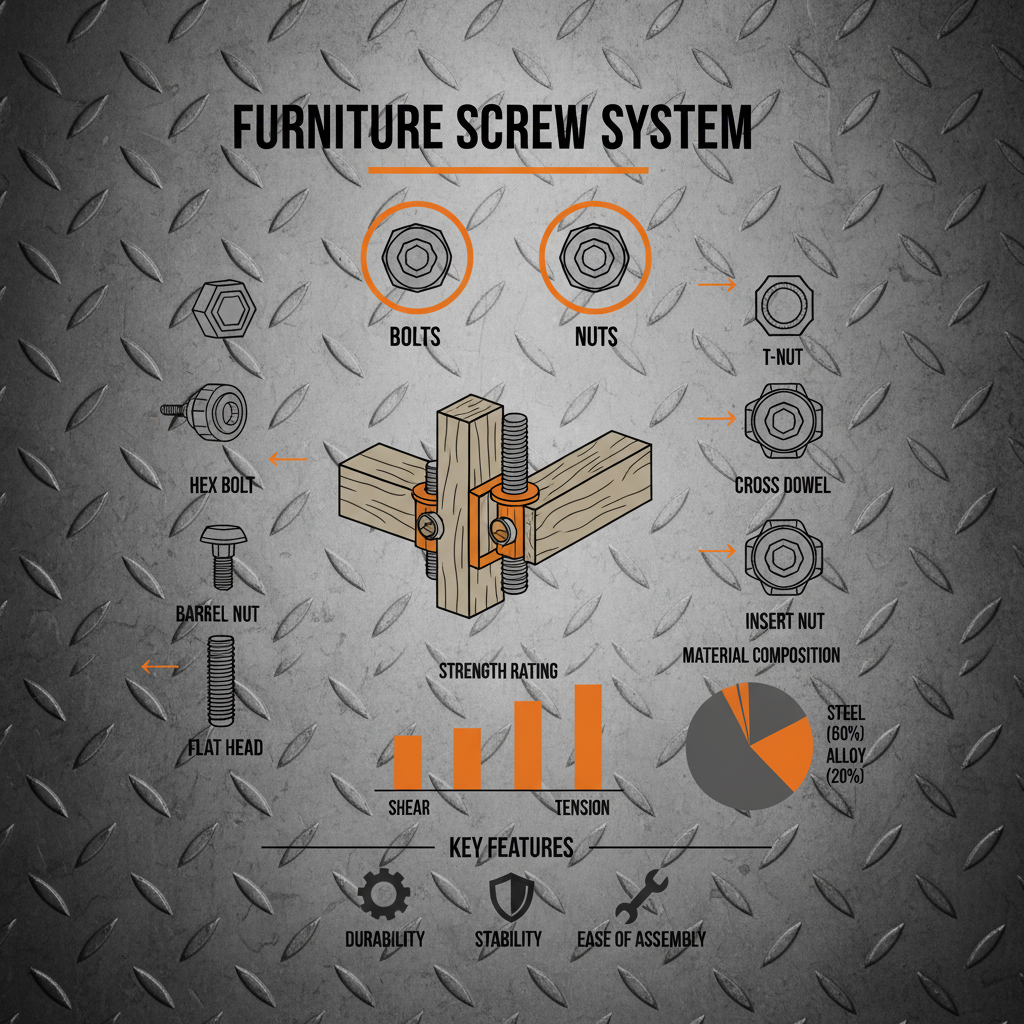
When evaluating a furniture screw, the primary factor is Material Composition. Whether crafted from carbon steel, stainless steel, or zinc-plated alloys, the material determines the screw's resistance to oxidation and its overall tensile strength, ensuring the furniture remains rigid over decades of use.
Another critical aspect is Thread Geometry. The pitch and angle of the threads on a high-quality furniture screw are engineered to create a "locking" effect within the wood fibers. This prevents the screw from backing out due to vibration or repeated weight loading, which is essential for chairs and bed frames.
Lastly, Head Design and Drive Type play a vital role in installation efficiency. The shift from slotted heads to Torx or Hex drives in modern furniture screw design has significantly reduced "cam-out" (where the tool slips out of the head), thereby reducing material damage and increasing the speed of the assembly line.
Global Applications and Practical Use Cases
The application of the furniture screw spans across various global industries. In Northern Europe, where minimalist Scandinavian design dominates, these screws are utilized in hidden-joint systems to maintain clean lines. In contrast, in the heavy-duty industrial sectors of Asia and North America, reinforced fasteners are used in workstations and laboratory furniture that must support hundreds of kilograms of equipment.
A compelling real-world example is found in disaster-relief modular housing. In post-earthquake recovery zones, NGOs utilize pre-fabricated units where every furniture screw must be standardized for rapid assembly by non-professional volunteers. The reliability of these fasteners ensures that temporary shelters are safe and stable, providing dignity and security to displaced populations.
Performance Comparison of Furniture Screw Types
Long-Term Value and Structural Advantages
Investing in a premium furniture screw provides tangible long-term economic value. For the manufacturer, this means a drastic reduction in "after-sales" costs and product recalls. For the consumer, it translates to furniture that doesn't wobble over time, preserving the aesthetic and functional value of their investment.
Beyond the logic of cost, there is an emotional angle of trust and safety. A chair that remains stable because of a high-grade furniture screw provides peace of mind. In children's furniture, where safety is non-negotiable, the reliability of the fastening system is the difference between a secure product and a hazardous one.
Future Trends in Fastening Technology
The future of the furniture screw is inextricably linked to the "Green Revolution." We are seeing a shift toward biodegradable coatings and recycled metal alloys to reduce the carbon footprint of fastener production. Sustainability is no longer an option but a requirement as global policies push for a circular economy in furniture manufacturing.
Digital transformation is also playing a role. The integration of "Smart Fasteners" with embedded sensors could eventually allow manufacturers to monitor the tension of a furniture screw in real-time, alerting users when a piece of furniture requires maintenance. This move toward predictive maintenance will extend the lifespan of furniture significantly.
Automation in the assembly process is further refining the requirements for these components. As robotic arms take over the installation, the furniture screw must have extreme dimensional consistency to avoid machine errors, pushing the industry toward micron-level precision in manufacturing.
Common Challenges and Engineering Solutions
One of the most persistent challenges is "material stripping," where the furniture screw rotates without gripping, typically in low-density particle boards. The engineering solution involves the development of "deep-thread" or "coarse-thread" designs that increase the surface area of contact, effectively locking the fastener into the substrate.
Another issue is the corrosion of fasteners in humid environments, such as bathroom or kitchen cabinetry. To solve this, the industry has moved toward advanced electroplating and powder-coating technologies that create an impermeable barrier, ensuring the furniture screw remains rust-free even under constant moisture exposure.
Finally, the struggle between ease of assembly and permanent stability is solved through the use of hybrid fastening systems. By combining a standard furniture screw with specialized inserts (like threaded nuts), manufacturers can offer the convenience of RTA furniture with the strength of traditional joinery.
Comparative Analysis of Furniture Screw Engineering Solutions
| Problem Scenario |
Engineering Solution |
Effectiveness Score (1-10) |
Primary Material |
| Softwood Splitting |
Self-tapping tapered point |
9 |
Hardened Steel |
| High Humidity Rust |
Zinc-Nickel Plating |
8 |
Stainless Alloy |
| Frequent Re-assembly |
Threaded Insert Combo |
10 |
Brass/Steel |
| MDF Stripping |
Coarse Wide Thread |
7 |
Carbon Steel |
| Head Cam-out |
Torx Drive Interface |
9 |
Hardened Alloy |
| Vibration Loosening |
Nylon Locking Patch |
8 |
Steel/Polymer |
FAQS
For particle board, a coarse-thread furniture screw is ideal. Because particle board is made of compressed chips, it lacks the long fibers of natural wood. Coarse threads provide a larger surface area to grip the compressed material, reducing the likelihood of the screw stripping out during installation or under load.
The most effective way is to pre-drill a pilot hole that is slightly thinner than the shank of the furniture screw. This removes a small amount of material to make room for the screw, significantly reducing the internal pressure on the wood fibers and preventing splits, especially in hardwoods.
While stainless steel offers superior corrosion resistance, it is generally softer than hardened carbon steel. For applications requiring extreme shear strength or high torque, a hardened furniture screw might be better. However, for outdoor or kitchen furniture, stainless steel is the gold standard to prevent rust.
Furniture screws are often engineered for aesthetic integration and specific assembly methods. They frequently feature different head styles (like flat or countersunk) and thread patterns optimized for engineered woods like MDF, whereas standard wood screws are typically designed for solid lumber and structural framing.
Torx (star) drives provide a much more secure fit between the tool and the furniture screw head. This prevents the tool from slipping (cam-out), allowing for higher torque application without damaging the screw head, which is critical for both industrial automation and DIY assembly.
High-quality screws exhibit clean, precise thread edges without burrs, a perfectly centered drive hole, and a consistent coating. If the furniture screw feels brittle or the coating flakes off easily when scratched, it is likely a low-grade component that may fail under stress.
Conclusion
In summary, the furniture screw is far more than a simple utility item; it is a precision-engineered component that determines the safety, longevity, and quality of furniture worldwide. From the selection of metallurgy to the geometry of the threads, every detail contributes to the structural integrity of the final product, bridging the gap between artistic design and industrial reliability.
As the industry moves toward sustainable materials and automated assembly, the role of advanced fastening solutions will only become more prominent. Manufacturers are encouraged to prioritize high-grade fasteners to ensure their products stand the test of time and meet the evolving safety standards of the global market. For professional-grade fastening solutions, visit our website: www.yfnfasteners.com