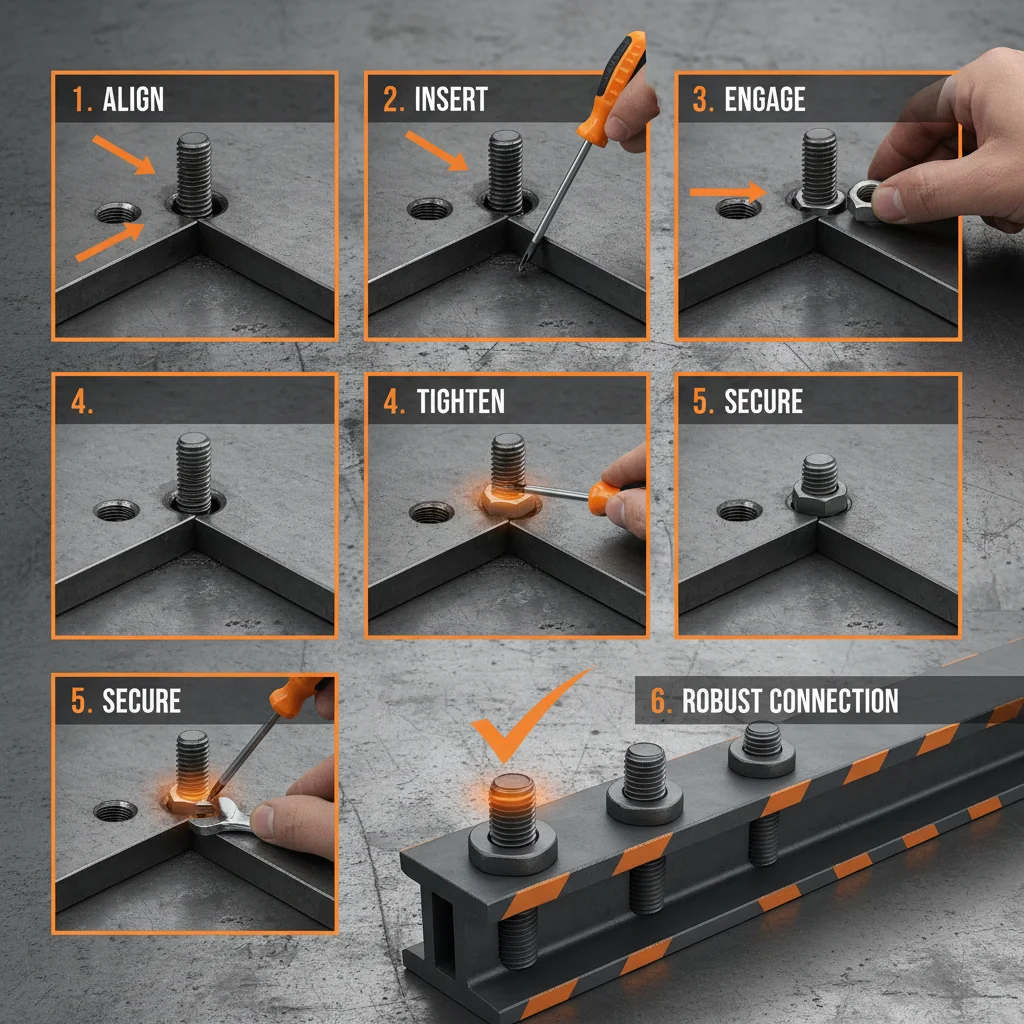
In the world of structural engineering, the integrity of a connection is only as strong as the fasteners holding it together. The a325 bolt stands as a cornerstone of modern steel construction, providing the high-strength tension and shear resistance necessary for skyscrapers, bridges, and industrial plants. Understanding the nuances of these fasteners is not merely a technical requirement but a safety imperative for engineers and contractors globally.
Globally, the demand for robust infrastructure has surged, leading to a heightened reliance on standardized, high-strength structural bolts. The a325 bolt is engineered to meet rigorous ASTM standards, ensuring that every single unit can withstand extreme loads and environmental stresses. This consistency allows for predictable performance in complex architectural designs across different continents.
However, the challenge often lies in the correct application and installation of these components. Improper tensioning or the use of incorrect grades can lead to catastrophic structural failure. By diving deep into the technical specifications and best practices surrounding the a325 bolt, industry professionals can optimize both the cost-efficiency and the lifespan of their metal structures.
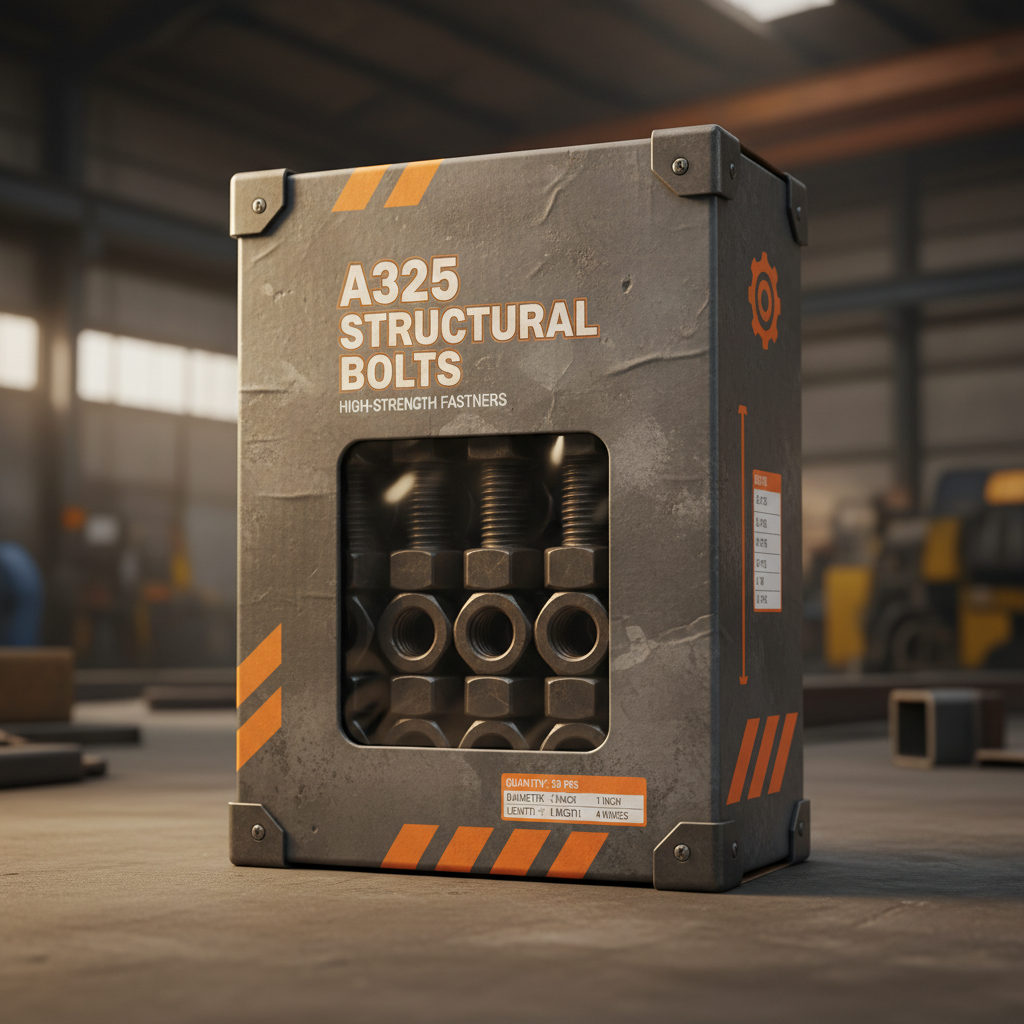
Global Relevance of the a325 Bolt
The global construction landscape relies heavily on the standardization of materials to ensure safety across borders. The a325 bolt is a primary example of this standardization, serving as a critical link in the assembly of structural steel frames. From the expanding urban centers in Asia to the aging infrastructure upgrades in North America, these bolts provide the necessary clamping force to maintain joint rigidity.
Statistically, structural failures often trace back to connection points rather than the beams themselves. By adhering to ISO and ASTM guidelines, the deployment of the a325 bolt minimizes these risks, allowing for the construction of higher, heavier, and more complex buildings that can withstand seismic activities and wind loads.
Definition and Industrial Meaning
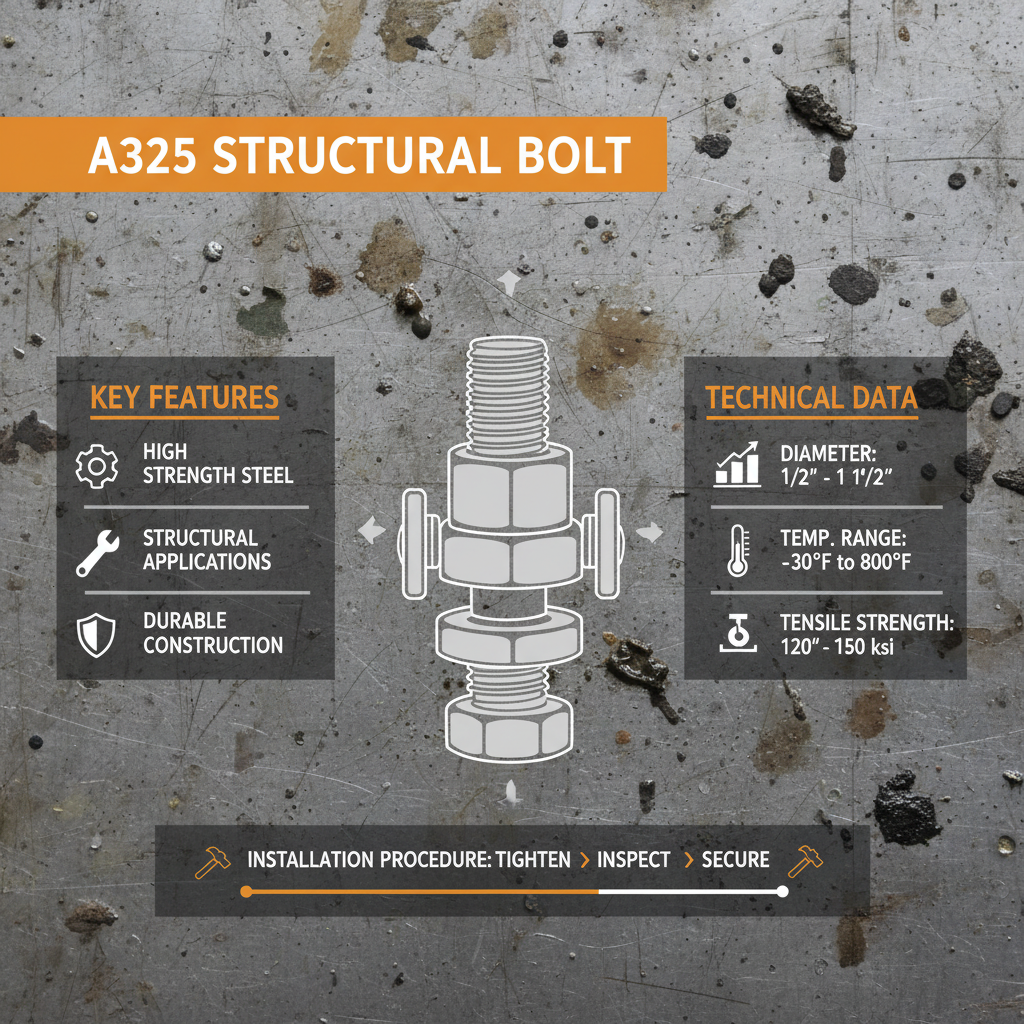
In simple terms, an a325 bolt is a heavy hex structural bolt made from medium carbon steel, heat-treated to achieve a specific high-strength tensile capacity. Unlike standard bolts used in furniture or light machinery, the A325 is designed specifically for "slip-critical" joints, where the friction between the connected steel plates—created by the tension of the bolt—prevents the joint from shifting.
From an industrial perspective, this fastener represents the bridge between architectural vision and physical reality. It allows engineers to design structures with fewer connections by utilizing the immense strength of a single bolt, thereby reducing material waste and speeding up the onsite assembly process.
Furthermore, the a325 bolt is more than just a piece of hardware; it is a guarantee of reliability. Its connection to modern humanitarian needs is seen in the rapid deployment of emergency bridges and shelters in disaster-prone areas, where structural integrity must be established quickly without compromising safety.
Core Components of Performance
The primary driver of the a325 bolt's success is its superior Tensile Strength. By utilizing a precise heat-treatment process, the steel is hardened to resist stretching under immense loads, ensuring that the structural connection remains tight over decades of service.
Another critical factor is Fatigue Resistance. In environments like bridges or industrial conveyors, the a325 bolt is subjected to cyclic loading. Its metallurgical composition is optimized to prevent the formation of micro-cracks, which is essential for preventing sudden, brittle fractures in critical infrastructure.
Finally, Dimensional Precision and compatibility with washers and nuts ensure a uniform distribution of pressure. When a a325 bolt is tightened to its required tension, the load is spread evenly across the contact surface, eliminating stress concentrations that could lead to premature failure.
Global Applications and Use Cases
The versatility of the a325 bolt makes it indispensable across various sectors. In the energy sector, these bolts are used to secure the massive steel supports of wind turbines and solar arrays, where stability against high-altitude winds is paramount. In urban development, they are the "invisible glue" holding together the steel skeletons of skyscrapers in cities like New York, Shanghai, and Dubai.
Beyond commercial construction, these fasteners play a vital role in remote industrial zones. For instance, in mining operations in the Australian Outback or oil rigs in the North Sea, the a325 bolt is chosen for its ability to maintain structural cohesion under extreme temperature fluctuations and corrosive atmospheres.
Comparative Performance Analysis of Fastening Methods
Advantages and Long-Term Value
The adoption of the a325 bolt offers significant economic advantages. Because of its high strength, fewer bolts are required per joint compared to lower-grade alternatives. This reduces the total weight of the structure and minimizes the labor hours spent on installation, leading to a lower overall project cost without sacrificing safety.
Beyond the financial aspect, there is an emotional and psychological value: trust. Knowing that a bridge or a stadium is secured with certified a325 bolt components provides peace of mind to engineers and the general public. This reliability fosters innovation, allowing architects to push the boundaries of design, knowing the structural foundation is secure.
Future Trends in Fastening Technology
As the industry moves toward "Green Construction," the a325 bolt is evolving. We are seeing a rise in advanced sustainable coatings that provide superior corrosion resistance without the environmental impact of traditional galvanization. These "smart coatings" extend the life of the bolt, reducing the need for replacement and lowering the carbon footprint of the building's lifecycle.
Digital transformation is also hitting the fastener industry. The integration of IoT-enabled tension sensors into the a325 bolt assembly allows for real-time structural health monitoring. Engineers can now receive alerts on their smartphones if a bolt loses tension due to seismic shift or material fatigue, enabling proactive maintenance.
Automation in manufacturing is further refining the precision of these bolts. With AI-driven quality control, the margin of error in the heat-treatment process of the a325 bolt has virtually disappeared, ensuring that every batch meets the most stringent global safety standards.
Challenges and Professional Solutions
One of the most common challenges in the field is "over-tensioning" or "under-tensioning" the a325 bolt. Over-tightening can lead to bolt yield or snapping, while under-tightening can cause the joint to slip, compromising the entire structure. This human error remains a significant risk in large-scale projects.
To solve this, professional engineers are increasingly adopting Direct Tension Indicators (DTIs). These are specially designed washers used with the a325 bolt that flatten as the correct tension is reached. This provides a visual confirmation that the bolt is properly tightened, removing the guesswork from the installation process.
Another hurdle is hydrogen embrittlement, which can occur during certain plating processes. The solution lies in strict adherence to baking protocols after plating to drive out hydrogen gas. By combining metallurgical expertise with rigorous quality checks, the industry ensures that every a325 bolt remains ductile and strong.
Comparative Analysis of a325 Bolt Specifications and Performance
|
Bolt Variant
|
Strength Level
|
Corrosion Resistance
|
Installation Ease
|
| Plain a325 Bolt |
High (9/10) |
Low (3/10) |
Very High (10/10) |
| Galvanized a325 Bolt |
High (8/10) |
High (9/10) |
Medium (7/10) |
| Weathering a325 Bolt |
High (9/10) |
Medium (7/10) |
High (9/10) |
| Zinc-Plated a325 Bolt |
Medium (7/10) |
Medium (6/10) |
High (9/10) |
| Tension Control a325 |
Very High (10/10) |
Medium (6/10) |
Extreme (10/10) |
| Coated a325 Bolt |
High (9/10) |
Very High (10/10) |
Medium (7/10) |
FAQS
The primary difference lies in the strength and application. An a325 bolt is a structural fastener designed for high-tension, slip-critical joints in steel construction, whereas standard bolts are typically used for general-purpose fastening. The a325 is heat-treated to handle significantly higher loads and is manufactured to strict ASTM specifications to ensure predictable structural performance.
There are several industry-approved methods: the "Turn-of-Nut" method, using a calibrated torque wrench, or utilizing Direct Tension Indicators (DTIs). DTIs are particularly effective as they provide a physical gap that closes when the required tension is achieved, offering a visual confirmation that removes operator error from the process.
Generally, the reuse of a325 bolts is discouraged, especially those that have been tightened to their full tension. Once a bolt reaches its yield point or has been significantly stressed, its metallurgical properties change. For safety and compliance with structural codes, always use new bolts for critical structural connections.
Yes, provided that the correct coating is applied. Plain carbon steel bolts will rust quickly in salty air. For coastal environments, it is highly recommended to use hot-dip galvanized or specially coated a325 bolts to prevent corrosion and maintain the structural integrity of the connection over time.
Over-torquing can lead to "necking," where the bolt stretches permanently, or in worst-case scenarios, it can cause the bolt to snap. This compromises the clamping force of the joint. If over-torquing is suspected, the bolt must be replaced immediately to avoid the risk of structural failure under load.
Authentic a325 bolts must have a manufacturer's mark (head marking) that identifies the producer and the grade. Additionally, you should always request a Material Test Report (MTR) from your supplier, which provides a chemical and physical analysis of the batch to ensure it meets ASTM A325 standards.
Conclusion
In summary, the a325 bolt is an indispensable component of modern structural engineering, providing the high tensile strength and reliability needed for the world's most ambitious construction projects. From its rigorous metallurgical standards to its critical role in slip-critical joints, the a325 ensures that our infrastructure is not only functional but safe for public use. By focusing on correct installation methods and choosing the right coatings for specific environments, professionals can maximize the lifespan and efficiency of their structures.
Looking forward, the integration of smart monitoring and sustainable materials will continue to enhance the performance of these fasteners. As we build higher and move toward more eco-friendly cities, the commitment to quality in every single a325 bolt will remain the bedrock of architectural safety. We encourage all engineers and procurement specialists to prioritize certified sourcing and precision installation to ensure lasting structural integrity. Visit our website for more professional fastening solutions: www.yfnfasteners.com