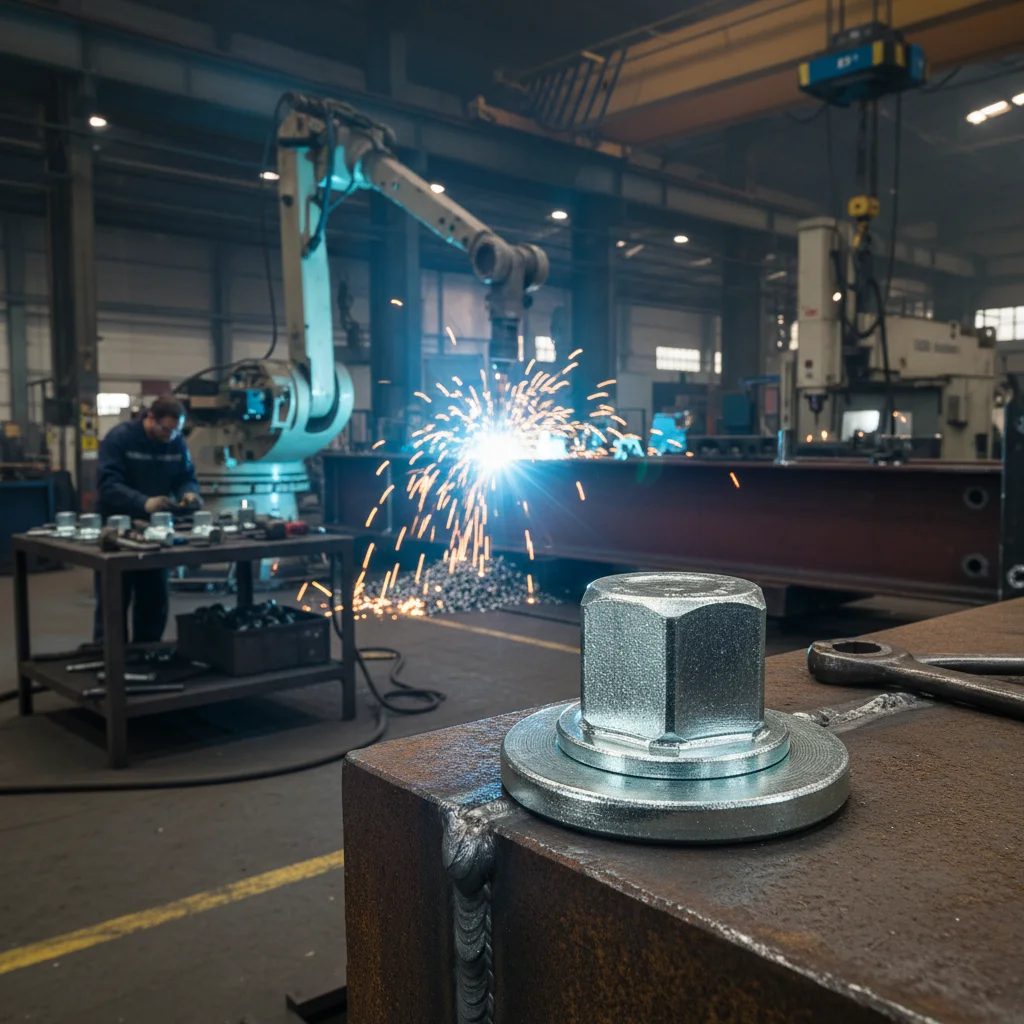
In the realm of structural metal construction, the selection of fasteners is often the deciding factor between a project's long-term stability and premature failure. The industry has seen a significant shift toward high-performance components that combine strength with corrosion resistance, ensuring that critical joints remain secure even under extreme environmental stress.
The global demand for infrastructure that can withstand humidity, salinity, and temperature fluctuations has pushed the adoption of specialized coatings. This is where the strategic application of zinc layers becomes essential, providing a sacrificial barrier that protects the underlying steel from the relentless process of oxidation.
Understanding the technical nuances of galvanized bolts and integrated fastening systems is crucial for engineers and contractors. By leveraging materials like high-carbon steel and advanced coatings, modern construction can achieve a perfect balance of rapid installation and unwavering structural integrity.

The Technical Evolution of Galvanized Bolts
The transition from basic friction-based nails to sophisticated integrated fastening systems marks a significant milestone in metal construction. Traditionally, securing ceiling components required a tedious multi-step process of drilling, inserting plugs, and then driving screws. The evolution toward components that mimic the durability of galvanized bolts while streamlining the application process has revolutionized site productivity.
Modern integrated nails now incorporate penetration, expansion, and anchoring into a single unit. By utilizing high-carbon steel and precise shank geometries, these tools provide a secure, code-compliant solution that reduces the overall complexity of structural assemblies in both residential and industrial projects.
Material Synergy in High-Strength Fastening
The effectiveness of any fastener begins with its metallurgical composition. To meet the demanding requirements of modern construction, a blend of high-carbon steel, galvanized steel, and stainless steel is employed. This ensures that the fastener possesses the necessary shear strength to support heavy loads, such as HVAC equipment or acoustic panels, without deformation.
Surface treatment is where the synergy truly happens. Whether employing electro-galvanized, hot-dip galvanized, or color zinc coatings, the goal is to create a barrier against the elements. This coating process is similar to the treatment used on industrial-grade galvanized bolts, ensuring the steel remains protected from oxidation in humid or coastal environments.
Furthermore, custom configurations in shank diameter (ranging from 3.7mm to 8mm) and length (22mm to 52mm) allow for precise matching with the substrate. This tailored approach ensures that the material properties of the fastener are perfectly aligned with the physical characteristics of the concrete, masonry, or light-gauge steel being penetrated.
Mechanical Interlock and Holding Power
Unlike standard nails that rely almost exclusively on surface friction, integrated fastening systems utilize advanced shank profiles to create a mechanical lock. This engineering approach ensures that once the fastener is driven into the substrate, it becomes an integral part of the structure, offering pull-out resistance that far exceeds traditional methods.
By integrating features often found in high-performance galvanized bolts, such as specialized thread-like rings, spirals, and barbs, the system creates a physical interlock with the surrounding material. This is particularly vital for ceiling installations where gravity constantly pulls against the fastener.
The result is a load capacity that can reach up to 30kg+ depending on the model and substrate. This mechanical advantage allows for the secure mounting of heavy-duty fixtures without the fear of gradual loosening, providing peace of mind for engineers and facility managers alike.
Installation Efficiency and Labor Impact
The most immediate benefit of moving away from traditional anchor-and-screw combinations is the drastic reduction in installation time. By eliminating the need for separate plugs and multi-tool sequences, contractors can achieve a 70% reduction in labor time per fastening point. This efficiency is a game-changer for large-scale industrial projects where thousands of points must be secured.
Compatibility with powder-actuated tools (such as the G7 model) and manual drivers allows for rapid deployment across various substrates. The ability to move from a "drill-plug-screw" workflow to a "direct drive" workflow significantly lowers project overhead and accelerates the overall construction timeline.
Comparison of Fastening Efficiency
Environmental Adaptability and Corrosion Guard
Durability in construction is often a battle against chemistry. In environments prone to condensation, such as industrial ceilings or coastal regions, untreated steel fails rapidly. By utilizing the same protective principles as high-grade galvanized bolts, integrated fasteners employ zinc coatings that act as a sacrificial anode, preventing the core steel from rusting.
Depending on the severity of the environment, options ranging from electro-galvanized to triple-coated "Pro Models" are available. This ensures that the fastener maintains its structural integrity and load-bearing capacity across a temperature range of -40°C to +150°C, making them suitable for everything from cold-storage warehouses to high-heat industrial plants.
Compliance and International Quality Standards
Safety in structural fastening is non-negotiable. Every component produced undergoes rigorous monitoring under ISO 9001 quality controls to ensure consistency in tension and shear strength. This level of oversight ensures that every batch delivered to a construction site meets the same high standard, eliminating the risk of catastrophic failure due to material inconsistency.
CE certification and compliance with European Construction Standards provide the necessary regulatory documentation for architects and government inspectors. By adhering to these international codes, the fasteners ensure that the building's structural integrity is guaranteed, providing traceability from the raw material stage to the final installation.
Moreover, specialized models are engineered for seismic or fire-rated assemblies. These variants are designed to maintain their grip during structural vibrations or high-temperature events, ensuring that fire barriers and safety equipment remain in place when they are needed most.
Long-Term ROI of Integrated Fastening Systems
When evaluating the cost of a project, the initial price of the fastener is only one small part of the equation. The true return on investment (ROI) is found in the reduction of labor hours and the extension of the maintenance cycle. By switching to integrated systems, the time spent on installation is slashed, allowing projects to be completed ahead of schedule.
The longevity provided by galvanized coatings further enhances the ROI by reducing the need for replacement and repair. Unlike cheaper alternatives that may corrode within a few years, these high-performance components are designed for the life of the structure, minimizing future operational expenditures.
Ultimately, the combination of speed, strength, and durability creates a compelling economic case. The transition from traditional methods to systems that mirror the reliability of galvanized bolts results in a safer, more cost-effective build that stands the test of time.
Analysis of Investment Return: Traditional vs. Integrated Systems
| Metric | Traditional Methods | Integrated Nail System | Efficiency Gain |
|---|
| Installation Time | Multi-step (Drill/Plug) | Single-step (Direct) | 70% Reduction |
| Holding Mechanism | Friction-based | Mechanical Interlock | Higher Stability |
| Labor Cost | High (More Man-hours) | Low (Rapid Deployment) | Significant Savings |
| Corrosion Life | Standard (Variable) | Extended (Galvanized) | Lower Maintenance |
| Tooling Complexity | Multiple Tools Required | Single Tool/Driver | Simplified Logistics |
| Regulatory Ease | Varies by component | CE/ISO Certified | Easier Compliance |
FAQS
Unlike standard nails that rely primarily on friction, integrated nails combine penetration and anchoring in one step. They feature specialized shank profiles—such as ring, spiral, or barbed designs—that create a physical mechanical lock within the substrate, resulting in vastly superior pull-out resistance compared to basic concrete nails.
Yes, we offer different configurations tailored to different materials. For instance, ring and barbed shanks are ideal for concrete and masonry, while smooth or spiral shanks are specifically optimized for light-gauge steel substrates, ensuring maximum grip regardless of the material.
For a standard 1/2" drywall installation, a 32mm length is typically the most effective choice. However, for thicker assemblies or the installation of heavy industrial fixtures, we recommend using 42mm to 52mm fasteners to ensure adequate penetration into the base material for long-term stability.
Absolutely. We provide specialized models that are specifically designed and certified for fire-rated applications. These fasteners meet strict international standards for use in fire-rated ceiling and barrier assemblies, ensuring they maintain their hold under extreme thermal stress.
Depending on the specific model and substrate, you can use powder-actuated tools (such as the G7 model) for concrete and steel, manual installation tools for lighter substrates, or even a standard hammer for select models. This flexibility allows them to fit into various existing toolsets.
For general humid areas, we recommend galvanized or electro-galvanized options. For extreme environments, such as coastal zones or marine applications, our Pro Model with a triple-coated finish provides the maximum level of corrosion protection, mirroring the durability of industrial-grade galvanized bolts.
Conclusion
The shift toward integrated fastening systems represents a critical advancement in construction efficiency and safety. By combining high-strength carbon steel with the corrosion-resistant properties of galvanization and a mechanical interlock design, these fasteners solve the age-old conflict between installation speed and structural reliability. From the reduction in labor costs to the guarantee of CE and ISO compliance, the value proposition is clear for any modern structural project.
As the industry moves toward more sustainable and rapid building methods, the adoption of such high-performance components will become the standard rather than the exception. We encourage engineers and procurement specialists to prioritize fasteners that offer both metallurgical excellence and installation efficiency to ensure the longevity of their assets. For more information on our high-efficiency fastening solutions, visit our website: www.yfnfasteners.com.