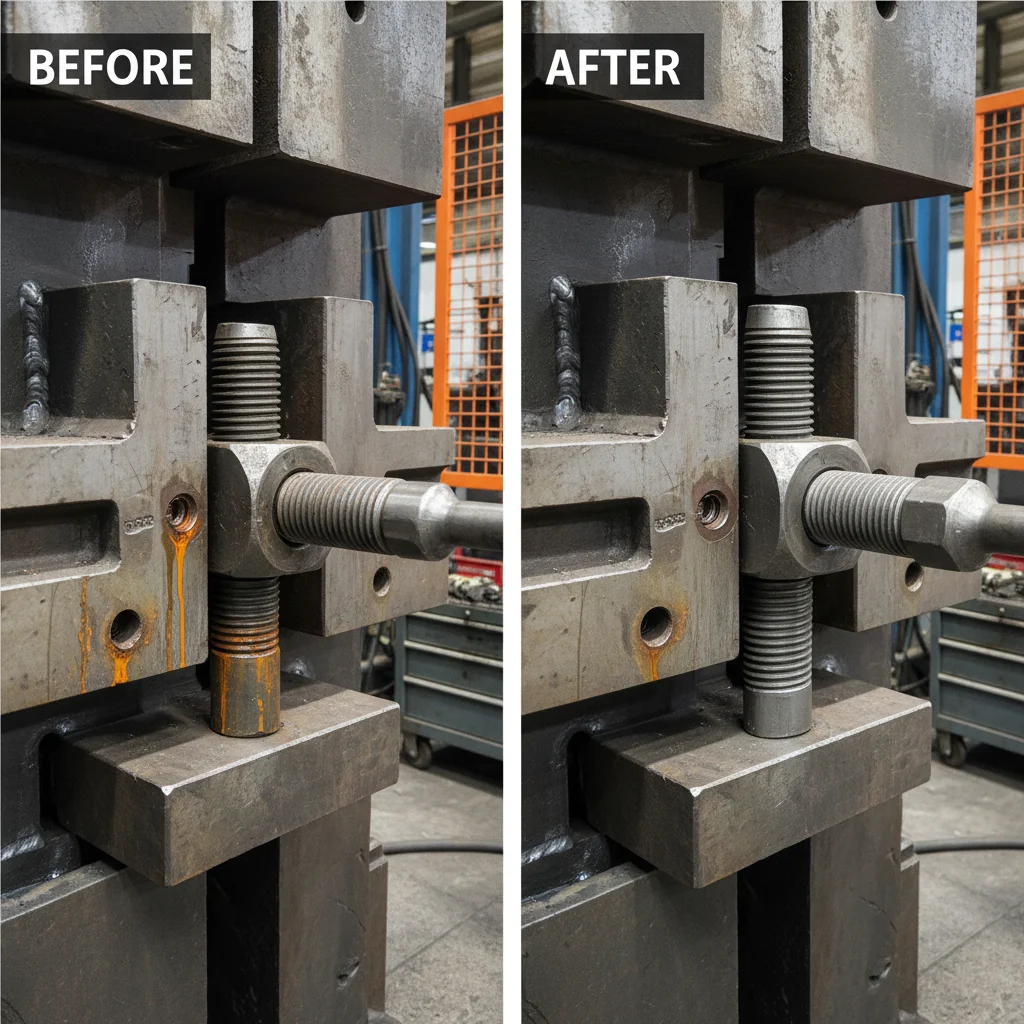
In the demanding world of structural metal fabrication, the integrity of a connection often depends on the smallest components. High-performance fasteners and accessories, such as stainless washers, play a critical role in distributing loads and preventing material degradation in harsh environments. Understanding the synergy between specialized bolts and their supporting hardware is essential for ensuring the longevity of industrial infrastructure.
Globally, the shift toward sustainable and corrosion-resistant materials has pushed the manufacturing sector to adopt higher standards for fastening systems. Whether in railway infrastructure or heavy machinery, the requirement for components that can withstand oxidative stress without compromising structural strength is paramount. This has led to an increased reliance on advanced alloys and precision-engineered hardware to minimize maintenance costs and prevent catastrophic failures.
While the primary focus of many projects is the bolt itself, the integration of stainless washers ensures that the clamping force is evenly distributed, protecting the substrate from damage. By combining robust square head bolts with the right surface finishes and supporting hardware, engineers can achieve a "positive locking action" that is indispensable in agricultural and industrial applications.

The Role of Stainless Washers in Structural Integrity
The primary function of hardware like stainless washers is to provide a smooth bearing surface for the nut and bolt, preventing the head of the fastener from sinking into the material. In structural metal fabrication, this is particularly important when using square head bolts, where the shoulder provides a locking action but the overall assembly still requires precise load distribution to avoid stress concentrations.
By utilizing stainless steel grades such as A2-70 or A4-80, these components ensure that the joint remains secure even under significant shear and tensile loads. The synergy between the bolt's strength (ranging from 4.8 to 12.9 for carbon steel) and the corrosion resistance of the washer creates a fastening system capable of enduring the most rigorous industrial environments.
Global Standards and Material Synergy
The global manufacturing landscape adheres to strict standards such as DIN 603 to ensure interchangeability and safety across international borders. The use of stainless washers in conjunction with these standards allows engineers to specify hardware that is guaranteed to meet specific torque and tension requirements, reducing the risk of failure in critical infrastructure.
Material synergy is achieved when the fastener and the washer share compatible electrochemical properties to prevent galvanic corrosion. For instance, pairing a stainless steel square head bolt with stainless washers ensures that the entire assembly reacts uniformly to environmental moisture, which is a common challenge in coastal or chemical-heavy industrial zones.
Moreover, the availability of various surface finishes—such as Hot-Dip Galvanized (HDG), Dacromet, or Teflon—allows for further customization. While the bolt provides the raw strength, the accompanying washers ensure that these finishes are not compromised during the tightening process, preserving the protective layer across the entire joint surface.
Mechanical Advantages of Precision Fastening
Precision fastening is not merely about the size of the bolt but about how the assembly interacts with the substrate. The introduction of stainless washers allows for a more controlled application of pressure, which is essential when securing metal brackets or hinges to timber framing in traditional joinery.
One of the standout mechanical benefits is the ability to maintain tension over time. When stainless washers are used, they reduce the risk of the fastener loosening due to vibration, a critical requirement for heavy machinery and tractor attachments in agricultural equipment.
Additionally, the use of these components eliminates the need for excessive thread lockers in many applications. Because the square head bolt provides a positive locking action beneath the head, the addition of high-quality washers ensures that the nut side of the connection is equally stable and resistant to rotation.
Performance Metrics of Fastening Components
Evaluating the performance of a fastening system involves analyzing the balance between tensile strength and corrosion resistance. In tests comparing different hardware configurations, the inclusion of stainless washers consistently improves the load-bearing capacity of the joint by preventing localized crushing of the material.
Whether the application requires the extreme strength of a 12.9 grade carbon steel bolt or the chemical resistance of an A4-80 stainless steel bolt, the supporting hardware must match the performance profile to avoid becoming the "weak link" in the assembly.
Comparative Performance of Fastening Configurations
Industrial Applications Across Sectors
In railway and infrastructure projects, the combination of square head bolts and stainless washers is vital for track fastening. These environments are subjected to extreme weather and constant vibration, making the corrosion resistance of stainless steel a non-negotiable requirement for safety and longevity.
Similarly, in the field of industrial castings, securing components to equipment frames requires fasteners that can withstand high torque without stripping or damaging the surrounding metal. The use of precision-engineered washers ensures that the clamping force is applied uniformly, preventing deformation of the casting.
Long-term Value and Corrosion Resistance
Investing in high-grade stainless washers offers significant long-term value by reducing the lifecycle cost of a project. While the initial procurement cost may be higher than zinc-plated alternatives, the elimination of frequent replacements and the prevention of structural rust-through provide a much higher return on investment.
From a sustainability perspective, using durable stainless components reduces waste. In heavy machinery assembly, where replacing a single bolt might require the dismantling of an entire subsystem, the reliability of corrosion-resistant hardware ensures that the machinery remains operational for decades rather than years.
Furthermore, the peace of mind provided by using standards-compliant hardware (like DIN 603) ensures that safety audits are passed easily. The trust placed in these traditional, robust designs is backed by generations of success in heavy industry, where failure is not an option.
Future Trends in Metal Fabrication Hardware
The future of fastening is moving toward "smart" materials and highly specialized coatings. We are seeing a trend where stainless washers are being integrated with nano-coatings to provide even higher levels of chemical resistance, particularly for the pharmaceutical and food processing industries.
Automation in the manufacturing process is also allowing for tighter tolerances in the production of square head bolts and their matching washers. This precision reduces the "play" in the joint, enhancing the positive locking action and allowing for lighter, more efficient structural designs without sacrificing strength.
As the world shifts toward green energy, the demand for fasteners that can survive in offshore wind farms and solar arrays—where salt spray is constant—will continue to grow. This will further cement the role of stainless steel as the gold standard for critical structural connections.
Comparison of Fastener Material Performance in Industrial Environments
| Material Grade |
Corrosion Resistance |
Tensile Strength |
Ideal Application |
| Stainless A2-70 |
High |
Medium |
General Outdoor Use |
| Stainless A4-80 |
Very High |
High |
Marine/Chemical |
| Carbon Steel 8.8 |
Low (Uncoated) |
High |
Indoor Machinery |
| Carbon Steel 12.9 |
Low (Uncoated) |
Very High |
Heavy Structural |
| HDG Coated |
Medium-High |
Medium-High |
Infrastructure/Roads |
| Dacromet Coated |
High |
Medium-High |
Automotive/Industrial |
FAQS
Using stainless washers helps distribute the clamping force of the nut evenly across the surface, preventing the fastener from damaging the material. When paired with the positive locking action of a square head bolt, it creates a secure, vibration-resistant joint that is highly resistant to corrosion, making it ideal for outdoor or industrial use.
A2-70 is standard austenitic stainless steel, excellent for most outdoor and atmospheric conditions. A4-80 contains molybdenum, providing significantly higher resistance to chlorides and acids, making it the preferred choice for marine environments or chemical processing plants where standard stainless steel might pit or corrode.
While physically possible, it is not recommended for corrosive environments. Pairing dissimilar metals can lead to galvanic corrosion, where the less noble metal (carbon steel) corrodes rapidly. For maximum longevity, always pair stainless bolts with stainless washers to ensure electrochemical compatibility.
Generally, no. The square shoulder beneath the head of a square head bolt is designed to bite into wood or engage with square holes in metal, providing a built-in locking action. However, stainless washers are still recommended on the nut side to protect the substrate and ensure the nut is tightened securely without slipping.
For agricultural equipment, Hot-Dip Galvanized (HDG) or Stainless Steel are the best options. HDG provides a thick protective layer ideal for rough handling and moisture, while Stainless Steel offers the highest level of corrosion resistance and a cleaner finish, which is often required for food-contact machinery.
Yes, our products are manufactured to meet rigorous standards such as DIN 603 for coach bolts and other custom square head specifications. This ensures that every bolt and accompanying washer meets the precise dimensional and strength requirements needed for industrial-grade applications.
Conclusion
The synergy between high-strength fasteners and precision hardware like stainless washers is the cornerstone of modern structural metal fabrication. By balancing the mechanical locking power of square head bolts with the corrosion resistance and load-distribution properties of stainless steel accessories, industries can ensure their infrastructure is safe, durable, and cost-effective over the long term.
As industrial requirements evolve toward greater sustainability and extreme environmental resilience, the adoption of standards-compliant, high-grade fastening systems becomes even more critical. We recommend auditing your current hardware specifications to ensure that material compatibility and corrosion resistance are optimized for your specific application. Visit our website for more professional fastening solutions: www.yfnfasteners.com