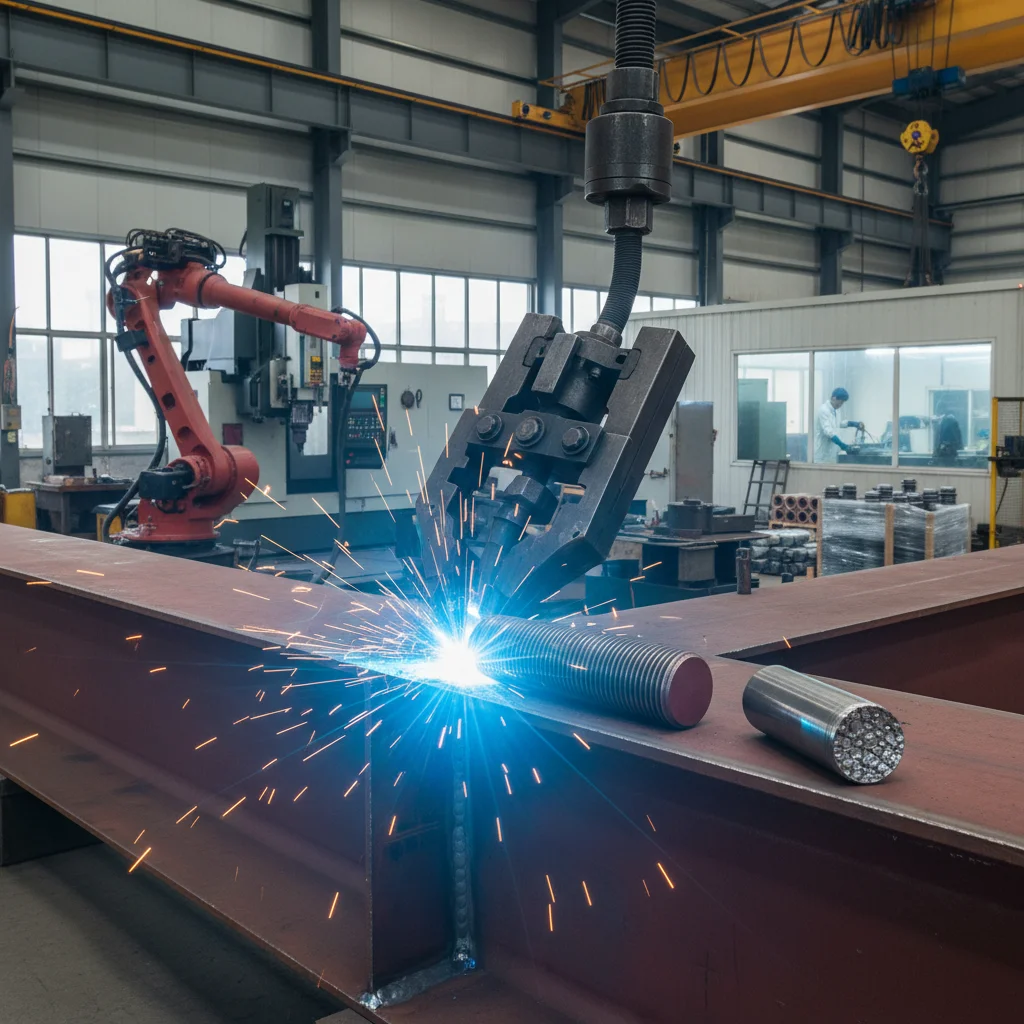
In the complex landscape of modern structural engineering, the demand for high-precision fastening solutions has never been higher. While many industries rely on various locking mechanisms, the strategic use of high-strength components often defines the longevity and safety of a project. Understanding the synergy between different fasteners is essential for ensuring structural integrity in everything from robotics to heavy machinery.
The global transition toward automated manufacturing and modular construction has highlighted the need for components that offer both extreme tensile strength and ease of installation. As international standards like ISO and DIN become the benchmark for global trade, the ability to source fasteners that meet these rigorous specifications is a critical competitive advantage for engineering firms worldwide.
When designing high-load assemblies, professionals often consider the compatibility between specialized bolts and allen head bolts to create a secure, vibration-resistant joint. By focusing on material grade and precision machining, manufacturers can significantly reduce the risk of fastener failure in critical infrastructure.

The Industrial Significance of High-Precision Fasteners
High-precision fasteners serve as the invisible backbone of the modern industrial world. From the smallest electronic enclosures to the massive structural frameworks of bridges, the reliability of a connection depends entirely on the tolerance and material quality of the components used. When engineers specify high-performance hardware, they are not just looking for a piece of metal, but a guaranteed mechanical property that prevents catastrophic failure under stress.
In the context of structural metal fabrication, the integration of precise components allows for tighter tolerances and more compact designs. This efficiency is particularly evident in automotive production lines and robotics, where every millimeter of space is optimized. The use of standardized, high-grade fasteners ensures that these systems can be maintained or replaced globally without the need for custom tooling.
Material Science and Strength Classifications
The choice of material is the most critical decision in the fastener selection process. Carbon steel remains the industry standard for general-purpose strength, offering a range of property classes from 4.8 to 12.9. These classes define the tensile strength and yield point of the material, allowing engineers to perform precise calculations to ensure the joint can withstand the intended load without permanent deformation.
For environments where corrosion is a primary concern, stainless steel grades such as A2-70 and A4-80 are indispensable. These materials provide an inherent oxide layer that protects against oxidation, making them ideal for marine applications or chemical processing plants. The balance between mechanical strength and chemical resistance is what allows these fasteners to perform in the most hostile environments on earth.
Beyond the base material, surface finishes like Hot Dip Galvanized (HDG), Dacromet, and Zinc Plating (ZP) provide additional layers of defense. These coatings are not merely aesthetic; they are engineered to prevent galvanic corrosion and wear, extending the lifecycle of the entire structural assembly and reducing the frequency of costly maintenance intervals.
Engineering Standards for Mechanical Integration
Adherence to international standards such as DIN 934 ensures that components from different manufacturers are fully compatible. This standardization is what enables the global supply chain to function, allowing a project designed in Europe to be manufactured in Asia and assembled in North America with absolute confidence in the fit and function of the allen head bolts and accompanying nuts.
When integrating allen head bolts into a design, the focus shifts to torque application and wrench engagement. Precision-machined flanks ensure that the tool makes full contact with the fastener, which is critical for achieving the exact tension required to prevent loosening under vibrational loads.
The relationship between the bolt and the nut is symbiotic; for instance, pairing a high-strength bolt with a nut of equal or higher property class is mandatory to ensure the joint does not fail at the thread level. By strictly following these engineering principles, manufacturers can guarantee maximum safety and operational reliability for their end users.
Performance Metrics in Structural Applications
Evaluating the performance of a fastening system requires a deep dive into a variety of metrics, including proof load stress, hardness, and fatigue resistance. In heavy-duty structural frameworks, the ability of a fastener to maintain its clamping force over millions of cycles is what separates a professional-grade component from a generic alternative.
To better understand the efficiency of different fastening methods, we analyze key performance indicators across various material grades and coating types. This data allows procurement managers to balance cost-efficiency with the necessary safety margins for their specific industrial application.
Performance Comparison of Fastening Solutions
Global Application Scenarios and Use Cases
Across the globe, these fastening solutions are deployed in diverse and challenging environments. In the automotive sector, they are essential for engine assemblies and chassis components where vibration resistance is non-negotiable. Similarly, in the field of robotics, the need for miniature yet strong fasteners allows for the creation of high-precision actuators and joints that can operate with micron-level accuracy.
In remote industrial zones, such as mining operations in Australia or oil rigs in the North Sea, the focus shifts toward corrosion resistance and ease of maintenance. Using Hot Dip Galvanized or Dacromet coatings ensures that the structures remain stable despite constant exposure to salt spray and humidity, reducing the need for frequent, dangerous manual inspections.
Long-Term Value and Reliability Analysis
The long-term value of investing in premium fasteners is measured in reduced downtime and enhanced safety. While lower-cost alternatives may seem attractive initially, the cost of a single fastener failure in a production line can run into thousands of dollars per hour. High-precision components provide the peace of mind that the structural integrity of the machine is maintained throughout its intended service life.
Furthermore, the use of certified materials and rigorous QC inspections ensures that every batch of hardware is consistent. When a company provides Material Test Certificates (MTC), they are offering a guarantee of transparency that is essential for industrial audits and compliance with safety regulations in the EU and North America.
From an emotional standpoint, the reliability of these components translates to trust. Engineers can design more ambitious projects, and operators can work with confidence, knowing that the hidden connections holding their world together are engineered to the highest possible standards.
Future Trends in Fastening Technology
The future of the fastener industry is being shaped by the digital transformation and the push for sustainability. We are seeing a rise in the use of "Smart Fasteners" that can monitor tension and alert maintenance crews to loosening bolts in real-time. This shift toward predictive maintenance is revolutionizing how we manage large-scale infrastructure, moving from scheduled checks to condition-based interventions.
Sustainability is also driving the development of new, eco-friendly coatings that replace traditional hexavalent chromium. These new finishes provide the same, if not better, corrosion protection while adhering to strict environmental policies, ensuring that the manufacturing process is as green as the final product is strong.
Automation in the manufacturing process, including the use of AI-driven QC systems, is further reducing the margin of error. As production becomes more precise, the ability to offer fully customized OEM/ODM solutions allows clients to specify the exact metallurgical properties needed for the next generation of aerospace and green energy technologies.
Comparative Analysis of Fastener Specifications and Performance
| Material Grade |
Corrosion Resistance |
Tensile Strength |
Primary Use Case |
| Carbon Steel 8.8 |
Moderate (with ZP) |
High |
General Machinery |
| Carbon Steel 12.9 |
Low (requires coating) |
Ultra-High |
Heavy Structural |
| Stainless A2-70 |
High |
Medium |
Food/Medical Equipment |
| Stainless A4-80 |
Very High |
Medium-High |
Marine/Chemical Plant |
| HDG Carbon Steel |
Excellent |
High |
Outdoor Infrastructure |
| Dacromet Steel |
Superior |
High |
Automotive Chassis |
FAQS
The main advantage of DIN 934 is its universal compatibility. As a European standard, it specifies exact dimensions and tolerances that ensure the nut fits perfectly with metric bolts across global projects. This eliminates the need for custom sourcing and ensures that replacements can be found easily in any market, maintaining the efficiency of the supply chain.
The correct strength class is determined by the maximum load the joint will experience. A critical rule of thumb is to always pair the nut with a bolt of equal or higher property class. For example, if you are using a 10.9 grade bolt, you must use a Class 10 nut. Using a weaker nut would make it the "weak link" in the assembly, potentially leading to thread stripping under load.
For high-salinity environments, Stainless Steel A4-80 or Hot Dip Galvanized (HDG) finishes are highly recommended. A4-80 contains molybdenum, which provides superior resistance to chloride-induced pitting. HDG provides a thick, sacrificial zinc layer that protects the underlying steel even if the surface is scratched, making it ideal for heavy-duty outdoor structural work.
Yes, as a direct source manufacturer, we support full OEM and ODM customization. We can produce fasteners based on custom blueprints, utilizing specific materials or unique coatings to meet your project's exact requirements. Whether you need miniature sizes starting at M1 or heavy-duty industrial components up to M160, we can tailor the production to your specifications.
We provide comprehensive technical documentation to support industrial audits, including Material Test Certificates (MTC) and certifications for ISO 9001, ISO 14001, and ISO 45001. These documents verify the chemical composition, mechanical properties, and quality control processes used during manufacturing, ensuring full transparency and compliance with international safety laws.
Precision machining ensures that the hexagonal flanks of the nut are perfectly flat and within tight tolerances. This allows the socket or wrench to make full surface contact, which maximizes torque transfer and prevents the tool from slipping. This is critical for avoiding "rounding off" the corners of the fastener and for ensuring that the specific tension required by the engineering design is achieved.
Conclusion
In conclusion, the integrity of any structural project relies on the synergy between material science, precise engineering standards, and rigorous quality control. By choosing fasteners that adhere to global standards like DIN 934 and selecting the appropriate strength classes and coatings, engineers can ensure the longevity and safety of their assemblies. The transition from generic hardware to high-precision components is not just a technical upgrade, but a strategic investment in reliability and risk mitigation.
Looking forward, the integration of smart technologies and sustainable materials will continue to redefine the industry. We encourage procurement managers and engineers to partner with direct source factories that offer full transparency and OEM capabilities to stay ahead of these trends. For high-precision fastening solutions that meet the most demanding industrial requirements, visit our website: www.yfnfasteners.com