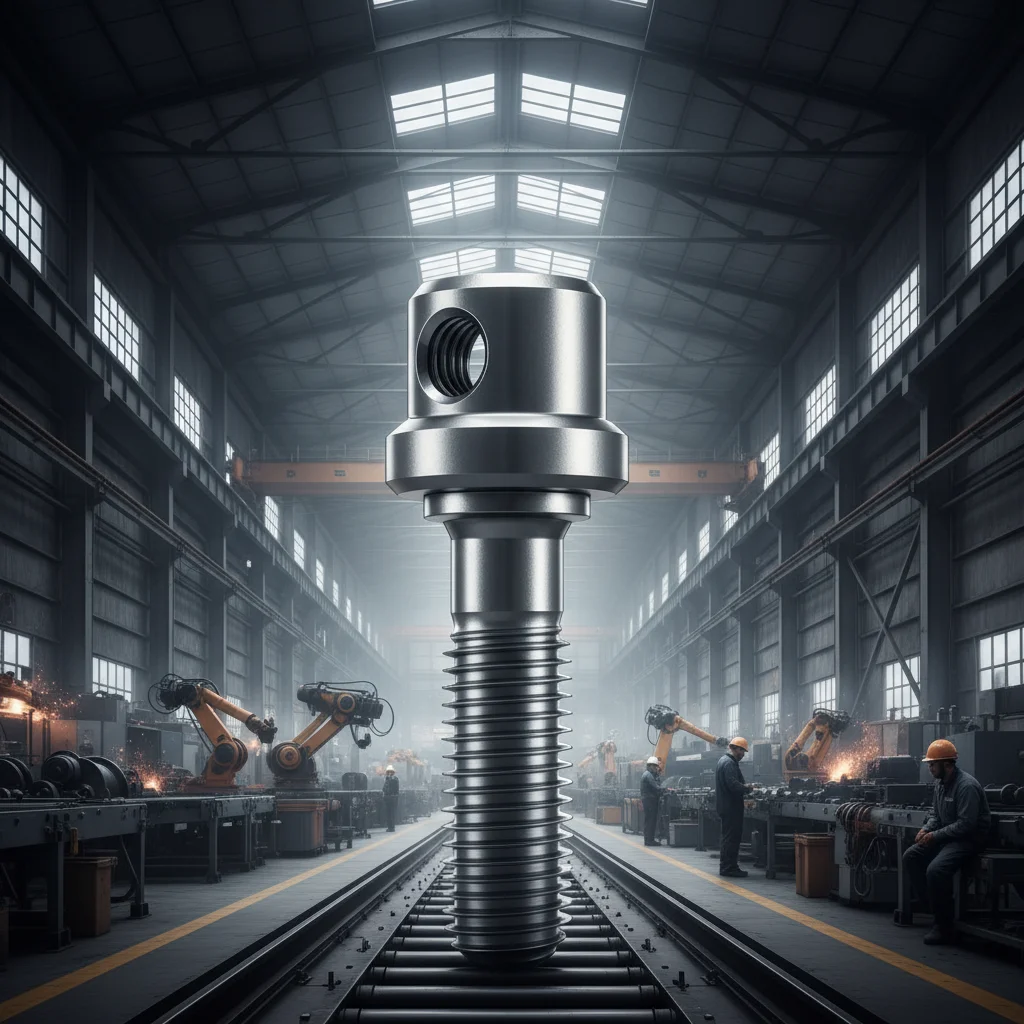
In the demanding world of structural metal manufacturing, the integrity of a build often depends on the smallest components. Fasteners serve as the invisible backbone of modern architecture, ensuring that every joint remains secure under immense pressure. Among these, specialized components like acorn nuts play a dual role, combining structural reliability with a clean, finished aesthetic that prevents injuries and protects threads.
The global shift toward modular construction and high-precision industrial engineering has increased the demand for fasteners that meet rigorous international standards. Whether in residential drywall installation or heavy-duty structural framing, the ability to secure components without leaving hazardous exposed edges is a critical safety requirement. Understanding the technical nuances of these capping fasteners allows engineers to optimize both the longevity and the safety of their projects.
While many focus on the primary bolts, the choice of a finishing nut, such as acorn nuts, can significantly reduce maintenance costs by preventing corrosion and mechanical snagging. By integrating high-strength materials and advanced surface coatings, these components ensure that structural integrity is maintained even in the most challenging environmental conditions.

Global Significance of Acorn Nuts in Engineering
On a global scale, the standardization of fasteners under ISO and DIN guidelines has revolutionized how we approach structural metalwork. The use of dome-shaped fasteners, specifically acorn nuts, has become a benchmark for projects where safety and aesthetics intersect. In urban centers where pedestrian traffic is high and machinery is exposed, removing sharp bolt ends is not just a design choice but a liability requirement.
From the expansive skyscrapers of Asia to the industrial hubs of Europe, these fasteners are essential for preventing "snagging" hazards. By capping the threaded rod, they provide a protective shield that prevents moisture from entering the thread core, thereby extending the lifespan of the entire structural assembly.
Technical Definition and Industrial Purpose
An acorn nut, also known as a cap nut, is a specialized fastener characterized by a domed top that completely covers the end of the bolt or threaded rod. Unlike standard hex nuts, the primary purpose of this design is to provide a smooth, rounded finish. This eliminates the risk of cuts or scrapes for personnel interacting with the equipment and provides a professional appearance for high-visibility installations.
In the context of industrial manufacturing, these components serve a critical protective function. The dome acts as a barrier against environmental contaminants, such as dust and corrosive chemicals, which can either seize a thread or cause premature oxidation. This makes them indispensable in industries ranging from automotive assembly to high-end furniture and architectural metalwork.
Beyond protection, they are frequently used in applications where the bolt length must be adjusted but cannot be trimmed. The acorn nut allows for a secure lock while ensuring that the protruding thread is not left exposed to the elements or potential impact, effectively bridging the gap between structural necessity and safety compliance.
Core Components for Structural Durability
The durability of acorn nuts begins with the material selection. High-strength carbon steel, such as the 1022A grade used in professional fasteners, ensures that the nut can withstand high torque without stripping the internal threads or cracking the dome. This material foundation is essential for any load-bearing structure.
Surface treatment is the second pillar of longevity. To combat oxidation, acorn nuts are often treated with black phosphorus, gray phosphorus, or zinc plating (ZP/YZP). These coatings create a chemical shield that prevents rust from penetrating the steel, making them ideal for humid environments or outdoor structural exposures.
Precision threading is the final core component. Whether utilizing coarse threads for wood-based structural supports or fine threads for steel framing, the tolerance of the internal thread must be exact. This precision ensures a maximum grip and high pull-out resistance, ensuring that the capped end remains firmly in place under vibration or stress.
Performance Metrics and Installation Efficiency
Efficiency in the field is measured by the speed of installation and the reduction of waste. When comparing standard fastening methods to the use of capped solutions, the reduction in secondary safety measures (like adding plastic caps) significantly lowers labor costs. The seamless integration of a dome nut streamlines the final assembly phase of large-scale projects.
Furthermore, the compatibility with standard power tools ensures that high-volume industrial projects can be completed without specialized equipment. The balance between high-torque capability and the delicate nature of the dome requires a fastener that is case-hardened to resist bending during the driving process.
Comparative Efficiency of Fastener Types
Real-World Applications in Modern Infrastructure
In commercial construction, the use of acorn nuts is prevalent in the installation of acoustic panels and ceiling board supports. In these environments, fasteners are often exposed to the air but must remain unobtrusive. The dome design allows the fastener to blend into the architecture while ensuring the panels are held securely against the steel framing.
Beyond interiors, these fasteners are critical in the automotive and transport sectors. In vehicle chassis and exterior trim, exposed threads are a liability for both the operator and the vehicle's paintwork. By using zinc-plated capped nuts, manufacturers can ensure a rust-proof seal that prevents the chassis from degrading while maintaining a sleek, streamlined exterior.
Long-Term Value and Safety Advantages
The long-term value of investing in professional-grade fasteners lies in the drastic reduction of maintenance cycles. Standard nuts often allow moisture to pool at the end of the bolt, leading to "crevice corrosion" that can compromise the joint over time. The dome of the acorn nut sheds water and debris, effectively protecting the most vulnerable part of the connection.
From a safety perspective, the elimination of sharp edges reduces workplace accidents in industrial zones. In high-traffic areas, where personnel may brush against structural supports, the rounded surface prevents lacerations. This contributes to a safer working environment and helps companies meet strict OSHA and international safety guidelines.
Furthermore, the psychological impact of a "finished" look cannot be overlooked. In architectural projects, the use of capped fasteners signals a commitment to quality and precision. This attention to detail fosters trust between the contractor and the client, demonstrating that every aspect of the build, down to the last nut, has been considered for longevity and safety.
Future Innovations in Fastener Technology
The future of the fastener industry is leaning heavily toward "smart" materials and sustainable manufacturing. We are seeing the emergence of self-healing coatings that can automatically seal micro-cracks in the zinc plating of acorn nuts, further extending their life in saline or highly acidic environments.
Automation is also transforming production. CNC precision machining now allows for even tighter tolerances in the dome's internal geometry, reducing the amount of material waste while increasing the load-bearing capacity. This aligns with global green energy goals by reducing the carbon footprint of the manufacturing process.
Additionally, the integration of non-ferrous alloys is expanding. For aerospace and medical-grade structural work, the shift toward titanium and specialized stainless steel capped nuts provides an unmatched strength-to-weight ratio and absolute corrosion immunity.
Comparative Analysis of Fastener Material Performance
| Material Grade |
Corrosion Resistance |
Tensile Strength |
Industrial Suitability |
| Carbon Steel (1022A) |
Moderate (Coated) |
High |
General Construction |
| Zinc Plated Steel |
High |
Moderate |
Outdoor Furniture |
| Stainless Steel 304 |
Very High |
Moderate |
Marine/Medical |
| Phosphated Steel |
Moderate |
High |
Drywall/Interior |
| Alloy Steel |
Low (Uncoated) |
Very High |
Heavy Machinery |
| Titanium Grade 5 |
Absolute |
Extreme |
Aerospace |
FAQS
The primary advantage is the domed head, which covers the end of the bolt. This provides a safety benefit by eliminating sharp edges that could cause injury and an aesthetic benefit by providing a clean, finished look. Additionally, the cap protects the bolt threads from environmental debris and moisture, reducing the risk of corrosion.
For outdoor use, Zinc Plated (ZP) or Yellow Zinc Plated (YZP) finishes are highly recommended. These coatings provide a sacrificial layer of protection that prevents the underlying steel from rusting when exposed to rain and humidity. For extreme marine environments, stainless steel versions are the gold standard.
Yes, provided they are manufactured from high-strength materials like case-hardened carbon steel (1022A). While the dome is primarily for protection and aesthetics, the internal threading is engineered to meet the same load-bearing specifications as standard nuts, ensuring structural integrity is not compromised.
You must match the internal thread diameter and pitch of the nut to the bolt or threaded rod being used. Common sizes range from M3.5 to M5 for light-duty work, but industrial applications may require larger nominal sizes. Always verify if you need coarse threads (common for wood/general use) or fine threads (ideal for steel framing).
No, most acorn nuts are designed with a standard hexagonal base, making them compatible with all standard wrenches and socket sets. For high-volume projects, they work efficiently with standard power drills and impact drivers, provided the torque is managed to avoid damaging the dome.
Yes, most professional suppliers provide samples upon request. This allows engineers to perform pull-out tests, torque verification, and corrosion chamber testing to ensure the specific material and finish meet the structural requirements of their particular project.
Conclusion
In summary, the integration of acorn nuts into structural metalwork is a strategic decision that balances safety, durability, and professional aesthetics. By protecting critical threaded connections from corrosion and eliminating hazardous sharp edges, these fasteners reduce long-term maintenance costs and enhance workplace safety. The combination of high-strength materials like 1022A carbon steel and advanced zinc or phosphate coatings ensures that they perform reliably in both residential and heavy industrial environments.
Looking forward, the fastener industry will continue to evolve toward higher precision and sustainable materials. For engineers and contractors, selecting the right grade of capping nut is no longer just about "finishing the job," but about ensuring the lifelong integrity of the structure. To obtain professional-grade fasteners that meet these rigorous international standards, we invite you to explore our full range of solutions. Visit our website: www.yfnfasteners.com.