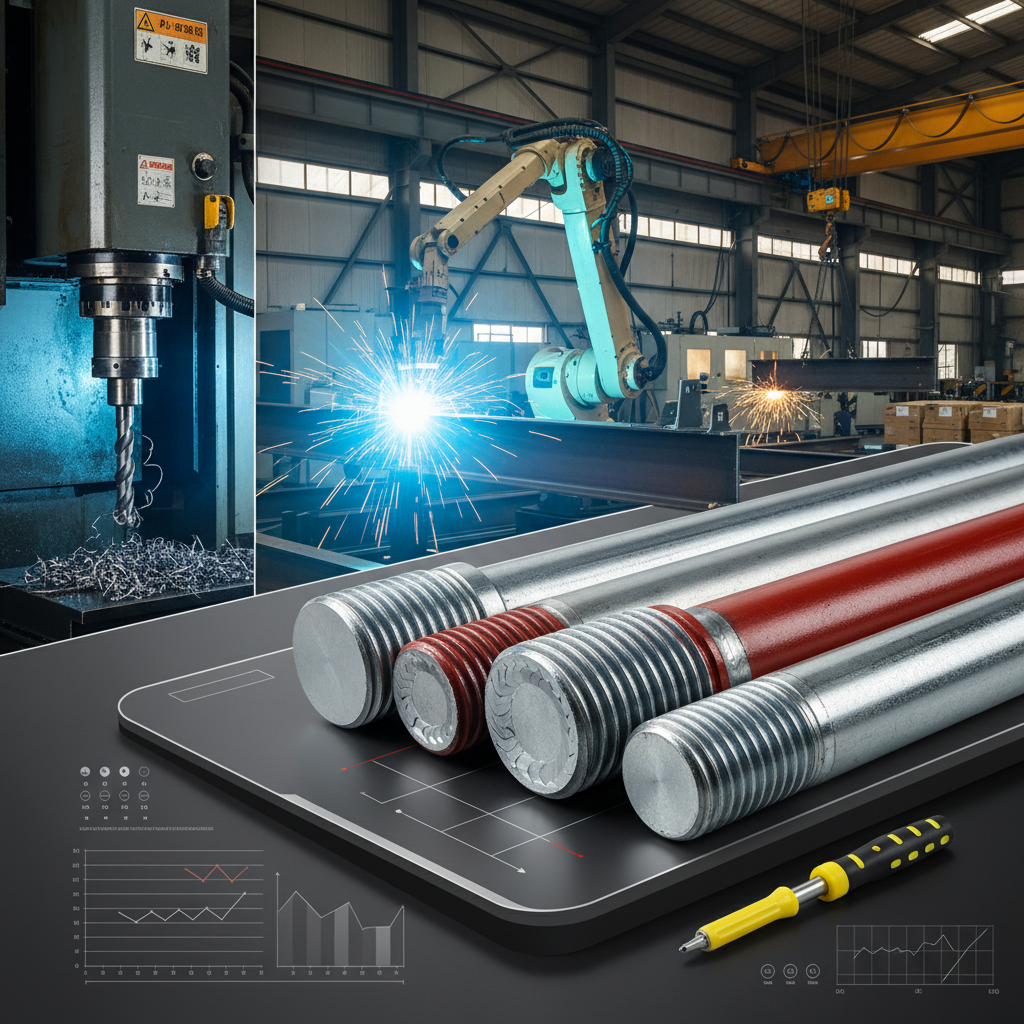
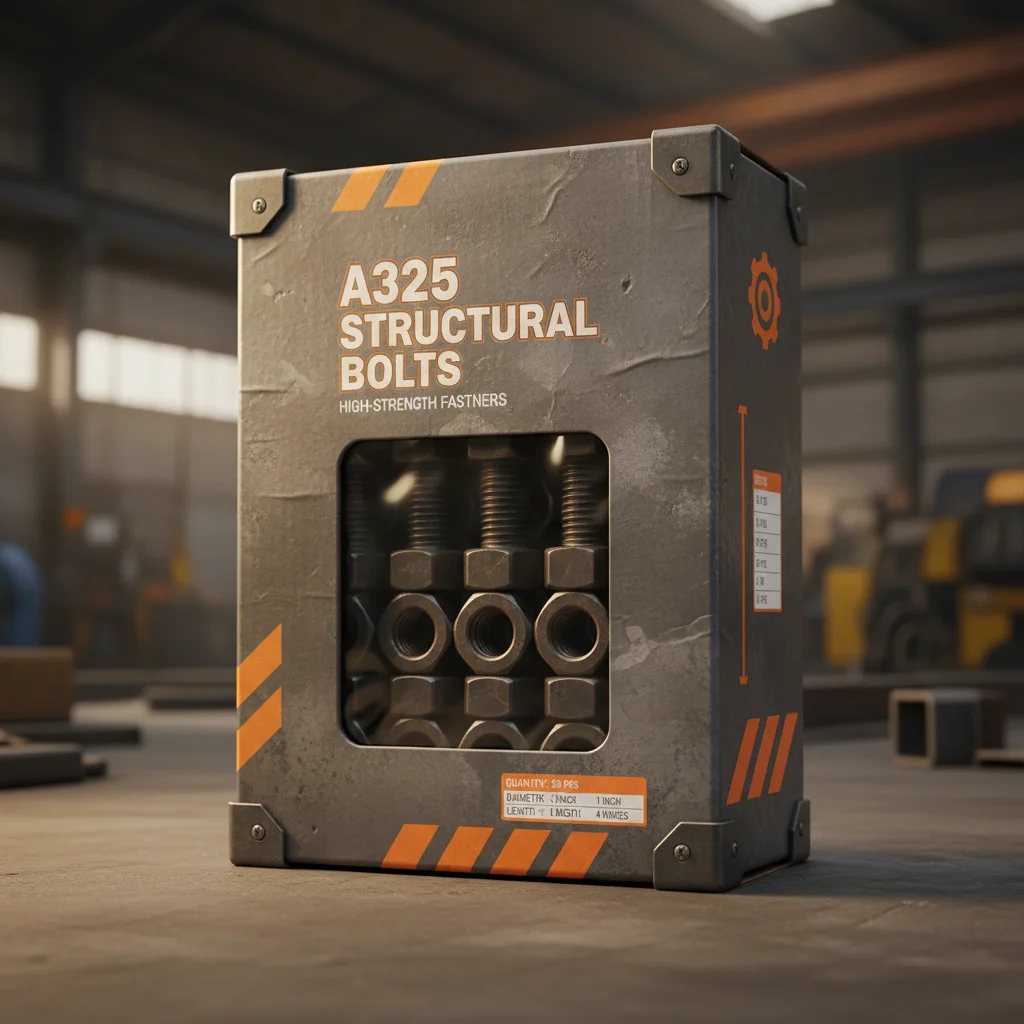
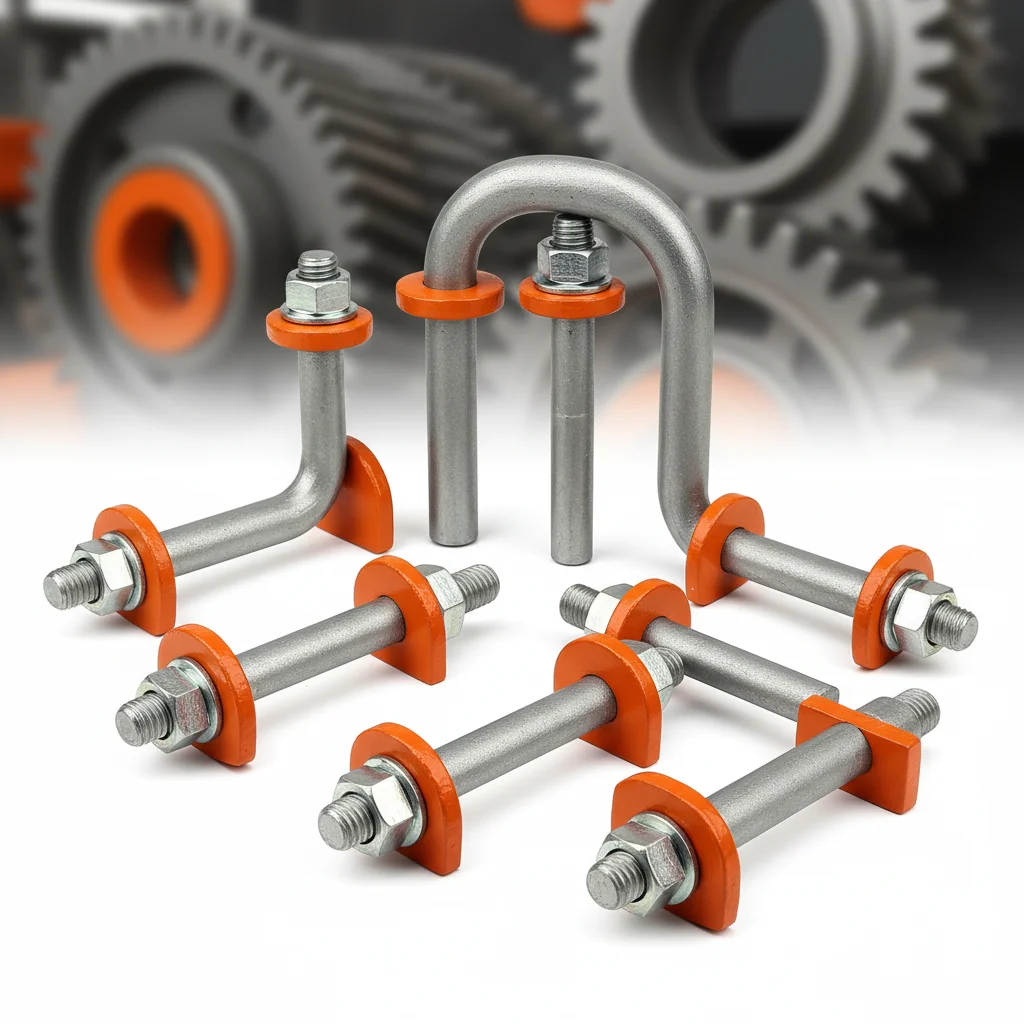
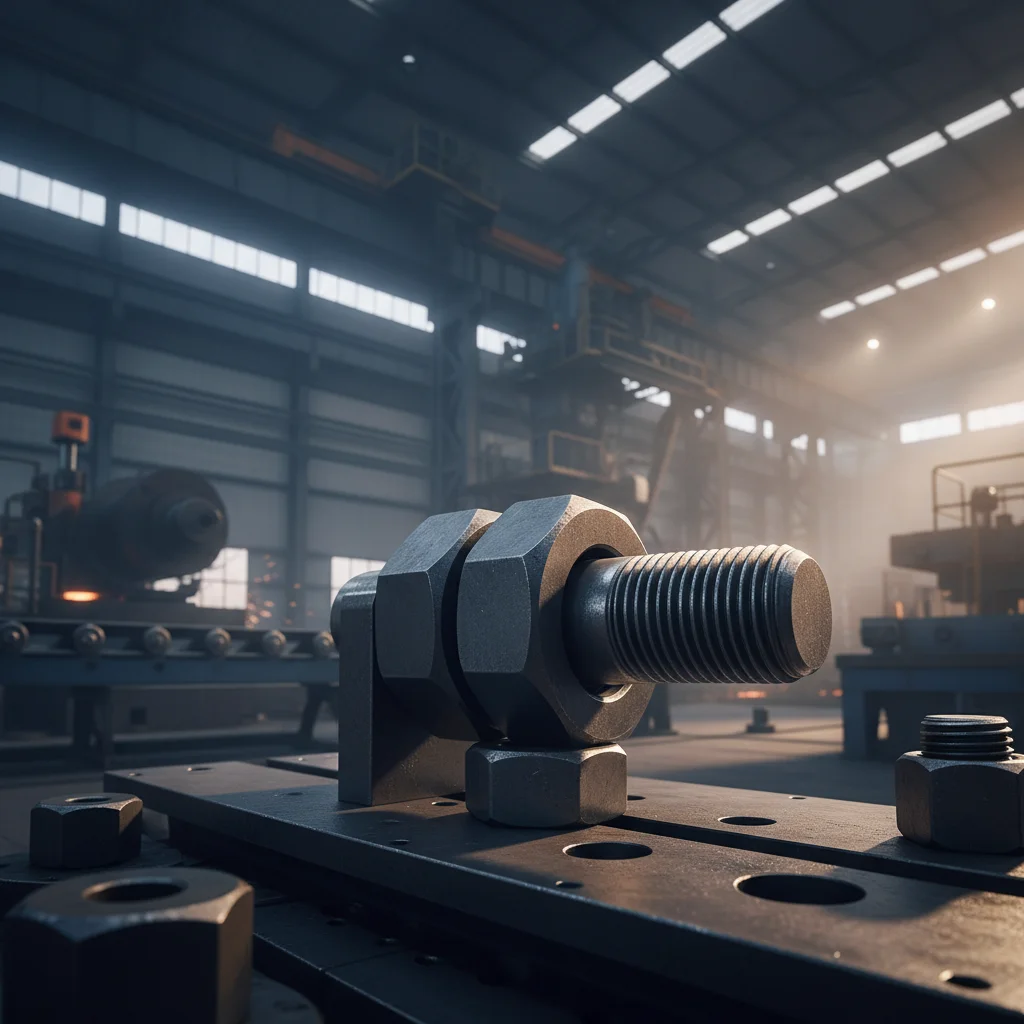
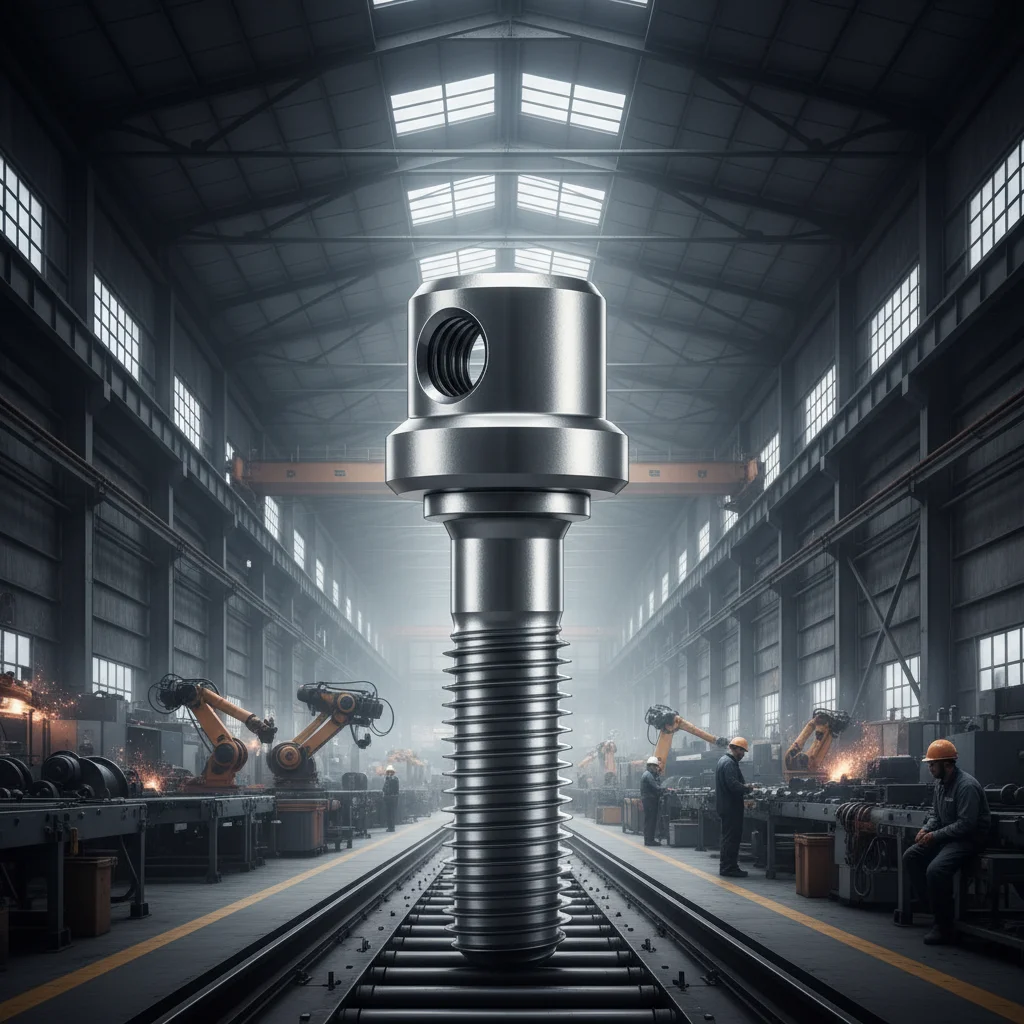
In the demanding world of high-temperature and high-pressure fastening, the b7 stud stands as a cornerstone of industrial safety and structural integrity. These specialized fasteners are engineered to withstand extreme thermal cycling and mechanical stress, making them indispensable in sectors where failure is not an option. Understanding the metallurgy and application of these studs is essential for engineers aiming to optimize plant uptime and ensure operational security.
Globally, the reliance on ASTM A193 Grade B7 materials has surged as petrochemical and energy infrastructures expand into more volatile environments. From offshore oil rigs in the North Sea to geothermal plants in Iceland, the ability of a b7 stud to maintain clamping force under intense heat prevents catastrophic leaks and structural collapses. This reliability is not merely a technical preference but a global safety requirement governed by strict international standards.
Despite their widespread use, many industrial operators face challenges with hydrogen embrittlement and improper torqueing, which can undermine the inherent strength of the material. By exploring the nuances of the b7 stud, including its heat treatment processes and compatibility with various coatings, companies can significantly reduce maintenance costs and enhance the lifespan of their critical bolted joints.
The Technical Definition of b7 stud
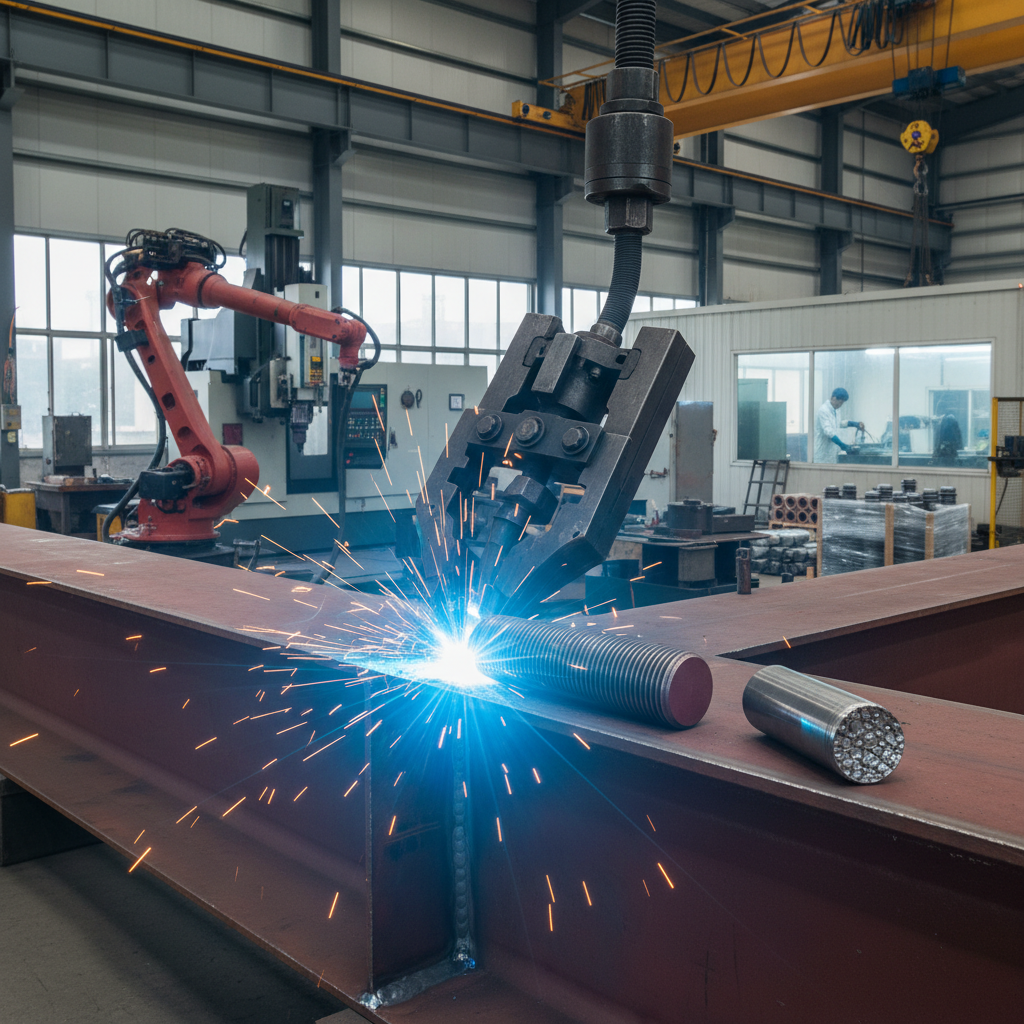
A b7 stud is a high-strength alloy steel fastener specifically designed according to ASTM A193 standards. Unlike standard bolts, these studs are typically threaded along their entire length or have a specific machined end, allowing them to be used with two nuts to create a powerful, tensioned joint. They are primarily chromium-molybdenum steel, which is quenched and tempered to achieve a balance of high tensile strength and toughness.
In the context of modern industrial needs, the b7 stud serves as a critical link in pressure vessel construction and flange connections. By providing a predictable and high yield point, these fasteners allow engineers to design systems that can safely contain volatile chemicals or high-pressure steam without the risk of fastener elongation or sudden fracture.
Material Composition and Strength Profiles
The superior performance of a b7 stud is derived from its precise chemical makeup. The addition of chromium and molybdenum enhances the steel's hardenability and resistance to creep at elevated temperatures. This specific alloying ensures that the fastener does not lose its structural integrity when exposed to the heat typically found in refinery piping or power plant boilers.
Strength is not just about the raw numbers but about the consistency of the heat treatment. Each b7 stud undergoes a rigorous quenching and tempering process. This thermal cycle transforms the microstructure of the steel, removing internal stresses while ensuring that the material remains ductile enough to avoid brittle failure under shock loads.
Furthermore, the mechanical properties of these studs are strictly regulated to ensure interchangeability across global projects. Whether a project is located in Asia, Europe, or the Americas, a certified b7 stud will provide a known minimum yield strength, allowing for precise torque calculations and standardized safety factors in mechanical engineering.
Key Performance Factors in Extreme Environments
Durability is the first hallmark of a high-quality b7 stud. In environments where salt spray, humidity, and industrial pollutants are present, the base material must be paired with appropriate coatings like PTFE or Zinc-Nickel to prevent surface oxidation and galling during installation.
Temperature scalability is where the b7 stud truly outperforms general-purpose fasteners. Because it is designed for high-temperature service, it resists the phenomenon of "thermal relaxation," ensuring that the joint remains tight even as the metal expands and contracts during plant start-up and shut-down cycles.
Cost efficiency in the long term is achieved through the reliability of the b7 stud. While the initial procurement cost may be higher than lower-grade bolts, the reduction in unplanned downtime and the avoidance of expensive leak repairs make it the most economical choice for critical infrastructure.
Comparative Analysis of Fastening Efficiency
When comparing different fastening methods, the use of a b7 stud often proves superior to standard hex bolts in flange applications. The stud's ability to distribute tension more evenly across the joint reduces the risk of gasket crushing and ensures a more uniform seal, which is vital for hazardous fluid transport.
Engineering data suggests that the consistency of load application is significantly higher when using studs compared to traditional bolts, especially in large-diameter piping systems where multiple fasteners must be tightened in a specific sequence to prevent warping.
Performance Ratings of Various B7 Stud Application Methods
Global Industrial Applications and Use Cases
The versatility of the b7 stud allows it to be deployed across a vast array of sectors. In the oil and gas industry, these studs are the primary choice for securing high-pressure valves and pipeline flanges. In remote industrial zones, such as the Siberian oil fields or the Australian Outback, the reliability of the B7 grade ensures that infrastructure can withstand extreme temperature swings without failing.
Beyond energy, the b7 stud is extensively used in chemical processing plants. In these environments, the studs must not only provide mechanical strength but also resist the corrosive effects of leaked chemicals. When combined with high-performance coatings, they provide a critical barrier that protects the structural integrity of reactor vessels and distillation columns.
Long-term Value and Maintenance Benefits
Investing in a high-grade b7 stud translates directly into reduced lifecycle costs. The primary value lies in the prevention of "creep"—the slow deformation of metal under stress at high temperatures. By resisting this deformation, the B7 stud maintains the required preload for longer periods, drastically extending the intervals between required re-torqueing operations.
From a safety perspective, the logical choice of the b7 stud provides peace of mind. In high-risk environments, the trust placed in a certified fastener is what allows technicians to work safely around pressurized systems. The ability to verify the material grade through Mill Test Reports (MTRs) adds a layer of accountability and transparency to the maintenance process.
Sustainability is also a factor; because these studs are more durable and less prone to failure, fewer replacements are needed over the lifetime of a plant. This reduces material waste and the carbon footprint associated with the manufacturing and transport of replacement fasteners, aligning industrial operations with modern green energy goals.
Future Innovations in Stud Bolt Technology
The evolution of the b7 stud is now intersecting with the digital transformation of industry. We are seeing the rise of "Smart Fasteners," where sensors are integrated into the stud assembly to provide real-time data on tension and stress levels. This allows for predictive maintenance, where a b7 stud can alert operators when it is nearing its fatigue limit before a failure occurs.
Material science is also advancing, with new nano-coatings being developed to further reduce friction and eliminate the need for lubricants during installation. These innovations aim to make the b7 stud even more resistant to extreme corrosion, expanding its utility into deep-sea mining and aerospace applications.
Furthermore, the shift toward automation in manufacturing means that the precision of threading and heat treatment for the b7 stud is reaching unprecedented levels. This reduces the variance between individual studs, ensuring that every joint in a massive industrial complex performs identically, thereby simplifying the engineering of safety margins.
Comparison of B7 Stud Specifications and Performance Across Applications
| Application Zone |
Typical Coating |
Stress Level (1-10) |
Recommended Interval |
| Refinery Flanges |
PTFE / Xylan |
8 |
24 Months |
| Steam Boilers |
Plain Steel |
9 |
12 Months |
| Offshore Rigs |
Zinc-Nickel |
10 |
18 Months |
| Chemical Tanks |
Fluoropolymer |
7 |
36 Months |
| Geothermal Pipes |
Nickel Plated |
9 |
12 Months |
| Industrial HVAC |
Hot Dip Galv |
5 |
60 Months |
FAQS
A b7 stud is a high-strength fastener made from ASTM A193 Grade B7 alloy steel, typically threaded on both ends or fully threaded. Unlike a standard bolt, which has a head and is tightened from one side, a stud is used with two nuts. This configuration allows for a more precise application of tension and is far more effective for high-pressure flange connections where maintaining a consistent seal is critical.
While the base material of a b7 stud provides immense strength, it is susceptible to corrosion in saltwater. To use them in offshore environments, they must be treated with specialized coatings such as Zinc-Nickel or PTFE (Xylan). These coatings act as a barrier, preventing the alloy steel from oxidizing while maintaining the fastener's high-temperature performance capabilities.
The only reliable way to verify the authenticity of a b7 stud is by requesting a Mill Test Report (MTR). An MTR provides the chemical analysis of the heat and the mechanical test results (tensile strength, yield strength, and elongation). Always ensure that the MTR matches the heat number stamped on the stud itself to guarantee traceability and compliance with international safety standards.
ASTM A193 Grade B7 fasteners are designed for high-temperature service, generally performing reliably up to approximately 450°C (842°F). Beyond this temperature, the material may begin to undergo significant oxidation and a loss of tensile strength. For applications exceeding this limit, engineers typically move to Grade B16 or other specialized alloys that offer even higher thermal stability.
Hydraulic tensioning is preferred for a b7 stud because it eliminates the friction associated with turning a nut. When torquing, a significant portion of the applied force is lost to friction between the threads. Tensioning pulls the stud axially, ensuring that the exact required load is applied to the joint, which prevents over-stretching the fastener and ensures a leak-free seal.
No, for optimal performance, a b7 stud should be paired with nuts that have a compatible strength grade, typically ASTM A194 Grade 2H nuts. Using a lower-grade nut can lead to thread stripping under the high tension levels that the B7 stud is capable of generating, which would compromise the safety and integrity of the entire bolted connection.
Conclusion
The b7 stud is far more than a simple piece of hardware; it is a precision-engineered component that ensures the safety and stability of the world's most critical industrial infrastructures. By combining the strength of chromium-molybdenum steel with rigorous heat treatment and specialized coatings, these fasteners provide the reliability needed to handle the extreme pressures and temperatures of modern energy and chemical production.
As industry moves toward smarter, more sustainable operations, the integration of advanced monitoring and nano-materials will continue to enhance the performance of the b7 stud. For companies looking to minimize risk and maximize uptime, prioritizing certified, high-quality fasteners is the most effective strategy for long-term operational success. Visit our website for professional fastening solutions: www.yfnfasteners.com