English

26 June 2026
In the realm of modern structural engineering and industrial fabrication, the stainless steel threaded rod serves as a fundamental component for creating secure, adjustable, and corrosion-resistant connections. Whether utilized in heavy-duty construction or precision machinery, these fasteners provide the necessary tensile strength to maintain structural integrity under extreme pressure. Understanding the material grades and specifications is crucial for engineers to ensure safety and longevity in their projects. This comprehensive guide explores the technical advantages and practical applications of these essential fasteners.

The primary appeal of a stainless steel threaded rod lies in its exceptional resistance to oxidation. Unlike carbon steel, stainless steel contains chromium, which forms a passive layer of chromium oxide that prevents rust from penetrating the metal. This makes it indispensable for marine environments, chemical plants, and food processing facilities where hygiene and durability are non-negotiable. Furthermore, its high ductility allows for precise cutting and threading, enabling custom lengths for specific project requirements without compromising the load-bearing capacity of the assembly.
Key Highlights: Superior corrosion resistance, high tensile strength, and excellent compatibility with various coupling nuts (such as DIN 6334) for extending lengths and enhancing joint stability.
Not all stainless steels are created equal. When selecting a stainless steel threaded rod, the choice usually falls between Grade A2 (304) and Grade A4 (316). A2 is the standard choice for general outdoor and indoor applications, offering great strength and rust resistance. However, A4 contains molybdenum, which provides significantly better protection against chlorides and salt water. For projects located near the ocean or in highly acidic environments, A4 is the only viable option to prevent pitting and crevice corrosion over time.
The versatility of the stainless steel threaded rod makes it a staple in various sectors. In HVAC systems, they are used to support heavy ductwork and piping through seismic bracing. In the construction industry, they are often embedded in concrete to create strong anchor points for structural steel. Additionally, they are used in automotive repair for custom-length fasteners and in mechanical engineering to create adjustable linkages. Because they can be cut to any length, they offer a flexibility that pre-made bolts cannot provide.

When ordering a stainless steel threaded rod, it is essential to adhere to international standards such as DIN or ISO to ensure compatibility with nuts and washers. Common diameters range from M6 to M36, with pitch variations depending on whether a coarse or fine thread is required. Precision in threading is vital; any deviation can lead to cross-threading or failure under load. Below is a representative specification table for common sizes often used in conjunction with coupling nuts.
To maximize the effectiveness of a stainless steel threaded rod, proper installation is key. First, always ensure that the thread pitch of the rod matches the nuts perfectly to avoid stripping. Second, clean the threads of any debris or oil before assembly. When joining two rods, use high-quality coupling nuts (like the DIN 6334 series) and tighten them with dual wrenches to ensure equal tension. For critical load-bearing applications, calculating the torque specification is essential to prevent over-tightening, which can lead to stress fractures in the metal.
Choosing a source factory for your stainless steel threaded rod ensures that you receive certified quality and competitive pricing. Professional manufacturers provide material traceability and ISO certifications, guaranteeing that the grade of steel matches the order specifications. Furthermore, direct sourcing eliminates intermediaries, allowing for customization in length, coating, and packaging. With technical support for load calculations and material selection, a manufacturer becomes a partner in your engineering success, ensuring that every bolt and rod meets safety regulations.
The stainless steel threaded rod is more than just a piece of metal; it is a critical safety component that ensures the stability of modern infrastructure. From its rust-resistant properties to its incredible versatility across industries, investing in high-grade stainless steel is a decision that pays off in reduced maintenance and increased safety. Whether you are managing a large-scale construction site or a precision mechanical assembly, choosing the right material and a reliable manufacturer is the key to long-term success.
Yes, one of the greatest advantages of a stainless steel threaded rod is that it can be cut to any desired length using a hacksaw or a power grinder. After cutting, it is recommended to use a die to clean the ends of the threads to ensure that nuts can be screwed on easily without resistance. This flexibility allows engineers to adapt to on-site changes without needing to order new parts.
Grade 304 (A2) is the most common stainless steel, offering excellent corrosion resistance for most atmospheric conditions. Grade 316 (A4) contains molybdenum, which specifically protects the metal from chloride-induced pitting. Consequently, 316 is essential for marine environments (saltwater) and chemical processing plants where aggressive agents are present. While 316 is more expensive, its lifespan in harsh environments is significantly longer than 304.
Galling is a common issue where stainless steel threads "cold weld" together during tightening. To prevent this when using a stainless steel threaded rod, it is highly recommended to use an anti-seize lubricant or a molybdenum-based paste on the threads. Additionally, avoiding excessive torque and ensuring the threads are clean can significantly reduce the risk of galling, ensuring the assembly can be disassembled in the future if necessary.
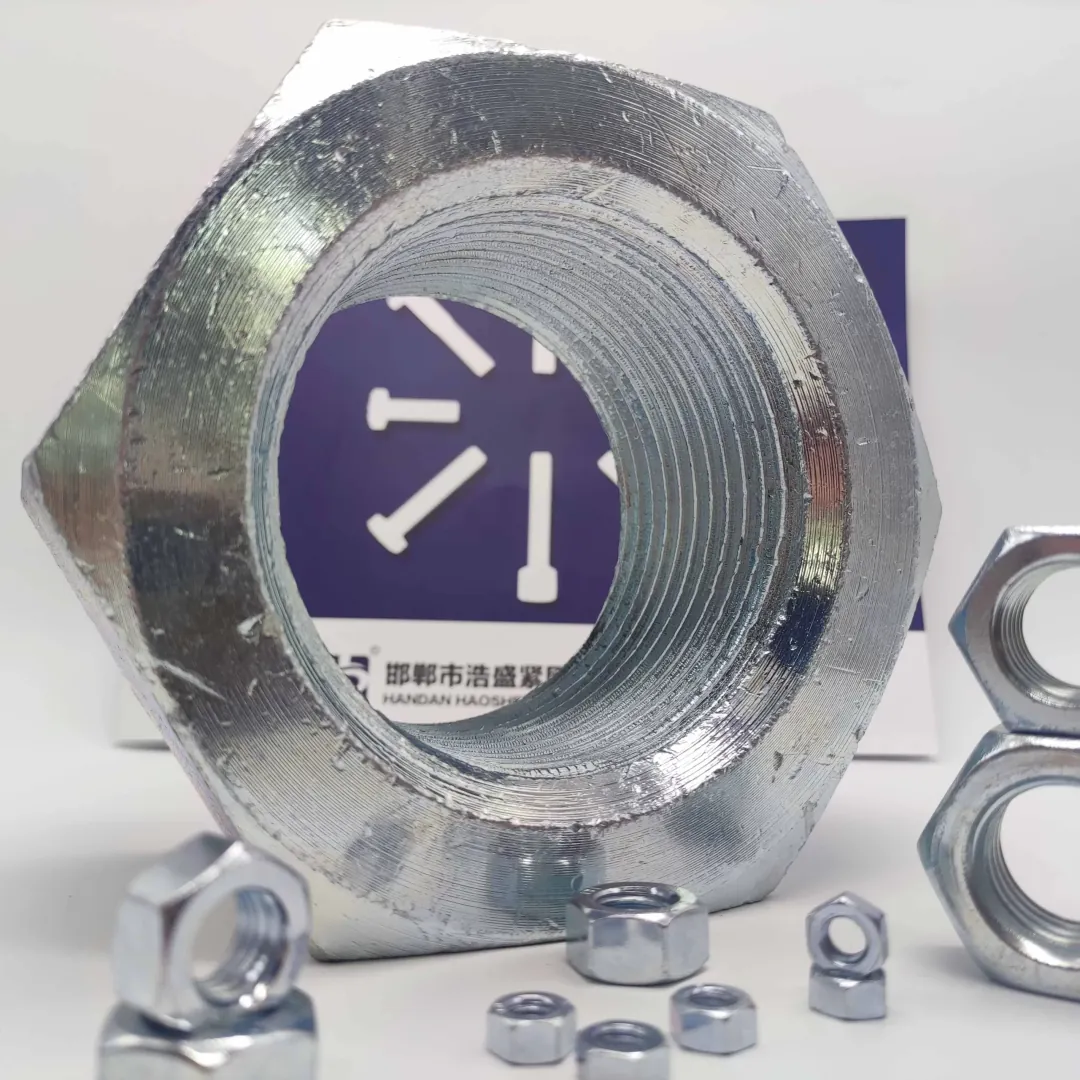
For standard applications, matching stainless steel hex nuts are used. However, for extending the length of two rods, DIN 6334 coupling nuts (thick hex nuts) are the ideal choice. These provide an elongated grip length, which distributes the load over a larger area and increases the connection's stability. Always ensure that the nut grade (e.g., A2-70 or A4-80) matches the rod grade to prevent galvanic corrosion and ensure uniform strength across the joint.


Hit enter to search or ESC to close
If you are interested in our products, you can choose to leave your information here, and we will be in touch with you shortly.